Aomori snow: Japan's snowiest city buried in white

Why Is the Snowiest City on Earth in Japan? (The Aomori Phenomenon)

Not Canada or Russia When it comes to Aomori snow, the numbers sound almost unreal: this northern Japanese city can receive up to 8 meters (26 feet) of snow in a single winter. When you think of the “snowiest city in the world,” you probably imagine a city in Canada, Russia, or Iceland. But actually, the world champion of snow is a place in Japan: Aomori City, located at the northern tip of Japan’s main island. Aomori Snow by the Numbers Aomori City is a bustling metropolis with nearly 300,000 residents, yet it receives an unbelievable average of 8 meters…

View More Why Is the Snowiest City on Earth in Japan? (The Aomori Phenomenon)

Why Do Japanese Cars Have a Leaf Sticker in March? (The “Wakaba Mark”)

The March Driving RushIn March, Japanese high schools hold their graduation ceremonies. Immediately after, thousands of 18-year-olds rush to driving schools to get their driver’s licenses before starting college or full-time jobs in April. Suddenly, the streets are filled with cars displaying a mysterious green and yellow sticker. The “Wakaba” ShieldThis is the “Wakaba Mark” (Young Leaf Mark). By law, anyone who gets a new driver’s license in Japan MUST display this magnetic sticker on the front and back of their car for their first full year of driving. It is a visual warning to everyone else on the road:…

View More Why Do Japanese Cars Have a Leaf Sticker in March? (The “Wakaba Mark”)

Did You Know Summer Starts in March in Japan? (The “Umi-biraki” Secret)

Freezing TokyoIn March, most of Japan is still shivering. People in Tokyo are wearing heavy winter coats, waiting for the cherry blossoms to finally bloom at the end of the month. But did you know that in another part of Japan, people are already swimming in the ocean? The Long ArchipelagoJapan is a surprisingly long country, stretching over 3,000 kilometers from north to south. While the northern island of Hokkaido is still buried in thick snow, the southern islands are already experiencing summer weather. The “Umi-biraki” RitualIn these southern tropical regions, March marks the official “Umi-biraki” (Beach Opening) season! It…

View More Did You Know Summer Starts in March in Japan? (The “Umi-biraki” Secret)

Why Do Japanese People Put Condensed Milk on Strawberries? (The Spring Tradition)

The Spring SweetnessIn March, as the weather slowly starts to warm up, Japanese families and couples flock to the countryside for a favorite seasonal activity: “Ichigo-gari” (Strawberry Picking). But it is very different from picking wild berries in a forest. The High-Tech GreenhousesJapanese agriculture is famous for producing giant, perfectly shaped, incredibly sweet fruits. Strawberry picking happens inside massive, climate-controlled greenhouses. The strawberry vines are often elevated to waist-height, meaning you don’t even have to bend down to pick them. It is a clean, premium experience. The All-You-Can-Eat ChallengeFor an entrance fee of around $15 to $20, you get 30…

View More Why Do Japanese People Put Condensed Milk on Strawberries? (The Spring Tradition)

What Is the Secret Folder Passed Around Japanese Offices in March? (The “Shikishi” Culture)

The Month of GoodbyesAs we learned before, March is the end of the fiscal year in Japan, meaning it is the season of graduations, company transfers, and farewell parties. During this emotional month, you will notice a highly secretive operation happening inside Japanese offices and schools. The Secret OperationA plain manila folder will be secretly passed from desk to desk. Employees will whisper, “Don’t let the boss see this!” Inside the folder is a “Shikishi”—a square piece of hard cardboard with a gold border, specifically designed for writing messages. The Group Message BoardThis is the Japanese tradition of “Yosegaki” (Group…

View More What Is the Secret Folder Passed Around Japanese Offices in March? (The “Shikishi” Culture)

What Happens to Japanese Shrines in Summer? (The “Omatsuri” Magic)

The Summer TransformationIn summer, quiet local shrines and parks across Japan transform into chaotic, glowing wonderlands. Red paper lanterns are hung everywhere, and the sound of Taiko drums echoes through the night. This is the “Omatsuri” (Summer Festival), an ancient ritual to celebrate the season and honor the gods. Yatai HeavenThe best part of the festival is the “Yatai” (food stalls). You can walk around eating fresh Takoyaki (octopus balls), Yakisoba (fried noodles), and sweet candy apples. Because it is so hot, everyone cools down with “Kakigori” (shaved ice) soaked in colorful, neon syrups. Games and YukataIt is not just…

View More What Happens to Japanese Shrines in Summer? (The “Omatsuri” Magic)

Why Do Authentic Kimonos Cost as Much as a Car? (The Masterpiece You Can Wear)

Not Just a CostumeWhen foreigners visit Kyoto, they often rent a cheap, printed Kimono for $30 to take photos. It is fun, but it is basically a costume. If you touch a Real Kimono made for a formal occasion like a wedding or a coming-of-age ceremony, you will realize it is a completely different world. The Price of a Luxury CarAn authentic, high-end silk Kimono can easily cost $10,000 to $50,000 (or more!). It is literally the price of a luxury car. Why is it so expensive? Because there are no machines involved. Everything is done by human hands. The…

View More Why Do Authentic Kimonos Cost as Much as a Car? (The Masterpiece You Can Wear)

What Is the Secret Logo on the Samurai’s Armor? (The “Kamon” Culture)

The Video Game LogosIf you have ever played video games like Ghost of Tsushima or watched the show Shogun, you have definitely seen them. Those striking, minimalist circular logos painted on the flags and armor of samurai warriors. Those are called “Kamon” (Family Crests). Japan’s Ancient BrandingLong before modern corporate logos existed, Japanese families used Kamon to identify themselves on the battlefield. But they weren’t just for samurai. Over centuries, almost every single family in Japan—including farmers and merchants—adopted their own Kamon. There are over 20,000 different designs! Inspired by NatureUnlike European family crests (which often feature lions or swords),…

View More What Is the Secret Logo on the Samurai’s Armor? (The “Kamon” Culture)

Why Do Japanese Kids Buy Bugs at Department Stores? (The Beetle Obsession)

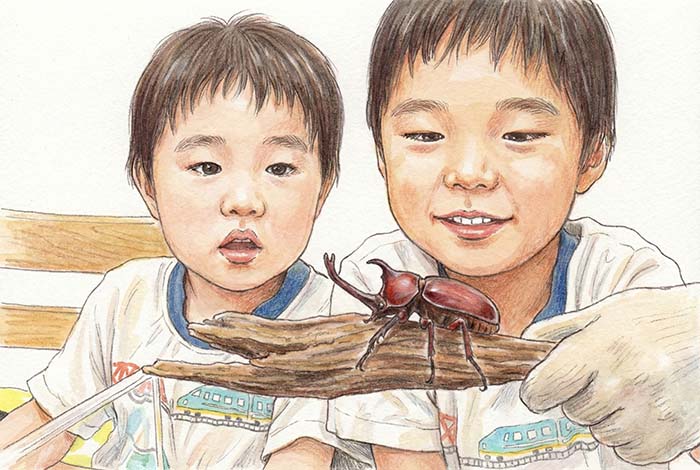
Pets, Not PestsIn the US, if you see a giant black bug, you probably scream and grab a shoe. Bugs are not popular pets. But in Japan, big, shiny, hard-shelled bugs are the ultimate summer obsession for children. They are considered cool, like tiny armored superheroes. The Kings of the ForestThe two most popular superstars are “Kabutomushi” (Rhinoceros Beetles) with their giant horns, and “Kuwagata” (Stag Beetles) with their sharp pincers. In the countryside, kids wake up at 5:00 AM, go into the dark forest, and put honey on tree trunks to catch them in the wild. The Luxury Bug…

View More Why Do Japanese Kids Buy Bugs at Department Stores? (The Beetle Obsession)

Why Do Japanese Students Travel Together Before Graduating? (The “Shugaku-Ryoko” Tradition)

The Ultimate School MemoryIf you watch Japanese anime or dramas, you will often see a special episode where the whole class goes on a big trip, staying in hotels and exploring a new city. This is called “Shugaku-Ryoko” (School Excursion), and it is the most anticipated event of a Japanese student’s life. The Standard DestinationsUsually held in the final year of junior high or high school, the school organizes a multi-day trip for the entire grade. The most classic destinations are historic cities like Kyoto and Nara to learn about traditional culture, or Tokyo to visit Disneyland! Some lucky high…

View More Why Do Japanese Students Travel Together Before Graduating? (The “Shugaku-Ryoko” Tradition)

Why Are Japanese Convenience Stores Like Mini-Cities? (The “Konbini” Magic)

More Than Just SnacksIn the US, a convenience store is usually attached to a gas station where you buy chips, soda, or lottery tickets. In Japan, a “Konbini” (like 7-Eleven, Lawson, or FamilyMart) is a vital lifeline. It is basically a restaurant, a bank, a post office, and a city hall packed into one tiny, bright room. The Ultimate Multitasking HubWhat can you do there? You can pay your gas and electricity bills at the register. You can ship a heavy package to your friend. You can buy concert tickets from a terminal. If you link your ID card, the…

View More Why Are Japanese Convenience Stores Like Mini-Cities? (The “Konbini” Magic)

Where Does the Snow Meet the Sea? (The Magical Coast of Hokkaido)

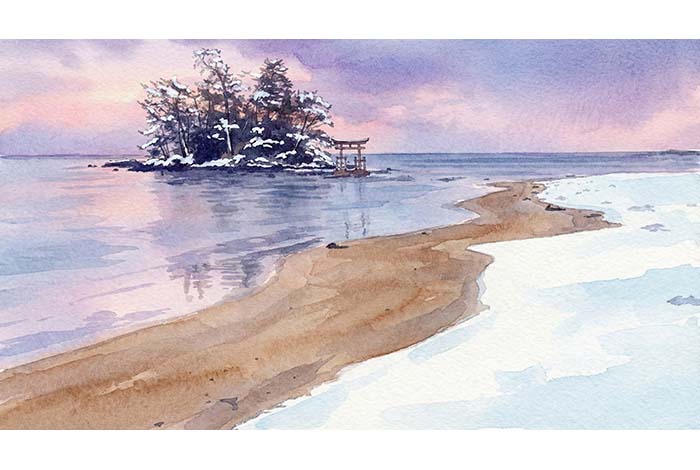
The Viral Winter IllusionScroll through Japanese Instagram in winter, and you might stumble upon a breathtaking, surreal video. A pure white landscape extends perfectly onto a sandy beach, right up to the crashing ocean waves. It looks like a CGI movie scene, but it is real. The “Shirahama” PhenomenonThis is a magical winter phenomenon seen in the northernmost island of Japan, Hokkaido (such as the beautiful Shirahama Coast areas). While “Shirahama” usually translates to “White Sand Beach” in summer, during the harsh winter, it literally becomes a beach made of pure white snow! The Impossible ContrastWhy is this so special?…

View More Where Does the Snow Meet the Sea? (The Magical Coast of Hokkaido)