What Is the Japanese Secret to a Long Life? (The 84-Year Mystery)

The Global Longevity Champions If you are searching for the fountain of youth, you should probably book a flight to Japan. The country consistently ranks at the very top of the global life expectancy charts, with the average citizen living to be around 84 years old (and women often reaching 87!). In regions like Okinawa, there is an unusually high concentration of active, healthy centenarians (people over 100 years old). For Americans dealing with a culture of massive portion sizes, highly processed fast food, and heavy reliance on driving, the Japanese lifestyle seems almost like magic. So, what is the…

View More What Is the Japanese Secret to a Long Life? (The 84-Year Mystery)

Why Are Japanese Convenience Store Sweets So Good? (The Tuesday Miracle)

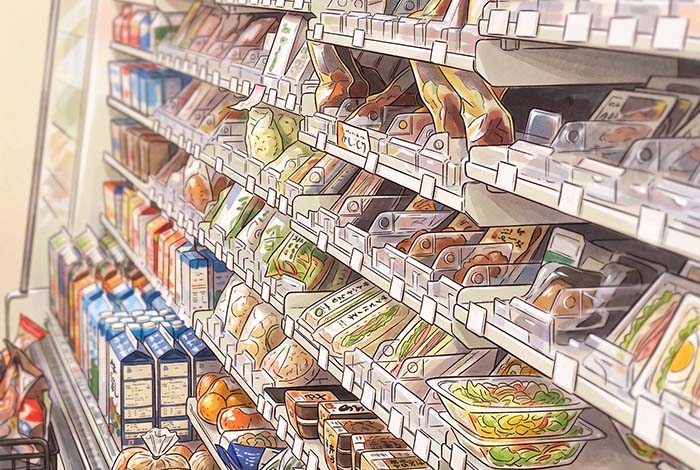
Beyond the Gas Station Snack In the US, gas station or convenience store desserts are usually sad, pre-packaged donuts or highly processed candy bars that sit on the shelf for months. But in Japan, the “Konbini” dessert aisle is a fiercely competitive culinary battleground. It genuinely rivals the quality of a high-end French bakery, offering everything from fluffy roll cakes made with premium Hokkaido cream to rich, bitter Uji matcha parfaits. The Tuesday Rule The secret to their success is the aggressive product development cycle. Japanese convenience stores release a brand-new lineup of seasonal sweets almost every single Tuesday! They…

View More Why Are Japanese Convenience Store Sweets So Good? (The Tuesday Miracle)

Why “Hibachi” Restaurants Are a Myth (The Teppanyaki Mix-Up)

The American Favorite If you want a fun, fiery, and highly entertaining dinner in the US, you go to a “Hibachi” restaurant. Chefs wearing tall hats masterfully flip shrimp into their pockets, juggle sharp knives, and create massive volcanos out of stacked onions. It is a beloved American dining experience. But if you travel to Tokyo and ask your hotel concierge to recommend a good “Hibachi” restaurant, they will look at you in complete confusion. The Translation Trap In Japanese, a “Hibachi” (literally “fire bowl”) is actually an ancient, traditional indoor heating stove. It is a ceramic pot filled with…

View More Why “Hibachi” Restaurants Are a Myth (The Teppanyaki Mix-Up)

Was Japan a Vegetarian Nation for 1,400 Years? (The Meat-Eating Taboo)

The Ancient Meat Ban When foreigners think of Japanese food today, they usually imagine Wagyu beef, tonkotsu ramen, or chicken teriyaki. However, for the vast majority of Japanese history, eating the meat of four-legged animals was strictly forbidden. In 675 AD, Emperor Tenmu issued the first official decree banning the consumption of cattle, horses, dogs, monkeys, and chickens, largely influenced by the Buddhist belief in the sanctity of life. This was not a temporary fad; the ban was reinforced for over 1,000 years. While people still occasionally ate wild boar or deer (calling them “mountain whales” to bypass the rules),…

View More Was Japan a Vegetarian Nation for 1,400 Years? (The Meat-Eating Taboo)

Why Must You Lift Your Bowl in Japan? (The Unique Dining Etiquette)

The Floating Bowl Rule If you sit down for a traditional Japanese meal, you might accidentally break a major etiquette rule without even realizing it. In Japan, when you are eating foods served in small bowls—like steaming white rice or Miso soup—it is considered standard and polite to physically lift the bowl off the table with your non-dominant hand and hold it close to your chest. You then use your chopsticks in your dominant hand to bring the food directly to your mouth. Leaving your rice bowl sitting flat on the table while leaning your head over it to eat…

View More Why Must You Lift Your Bowl in Japan? (The Unique Dining Etiquette)

Why Are Japanese Lunchboxes a Work of Art? (The “Kyaraben” Phenomenon)

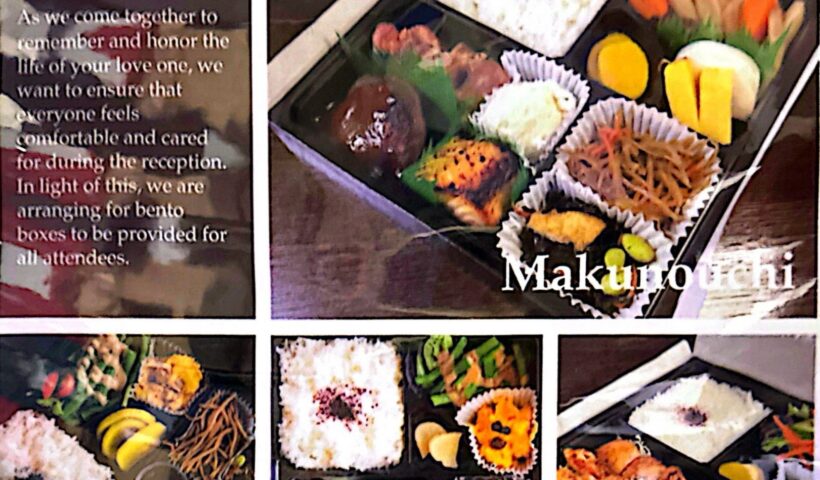
Beyond the Brown Bag For many kids in the United States, a packed school lunch usually means a simple brown paper bag containing a peanut butter and jelly sandwich, an apple, and maybe a bag of potato chips. It is quick, highly functional, and requires minimal effort. But in Japan, the homemade “Bento” (lunchbox) is taken to an entirely different level of culinary dedication. A traditional Japanese bento is carefully engineered to be visually stunning, perfectly balanced in nutrition, and delicious even when eaten cold. The golden rule of packing a bento is utilizing at least three vivid colors—red (tomatoes…

View More Why Are Japanese Lunchboxes a Work of Art? (The “Kyaraben” Phenomenon)

Why Has Authentic Japanese Matcha Become So Expensive? (The Green Gold Rush)

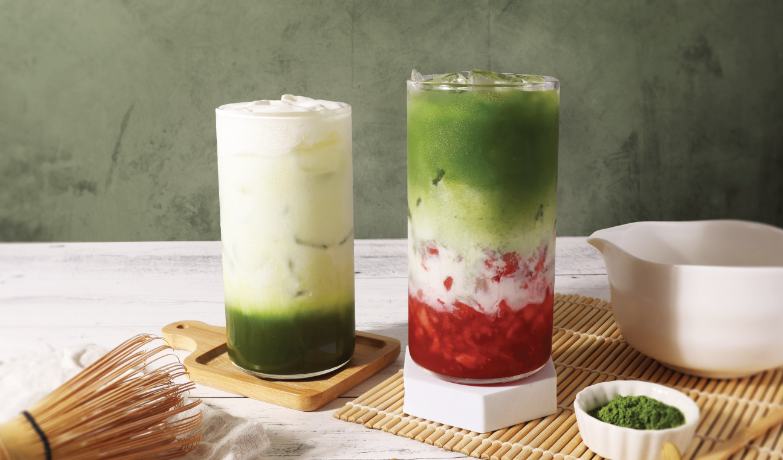
The Global Superfood Obsession If you walk into any trendy cafe in Los Angeles, from Santa Monica to Silver Lake, you will inevitably see people holding bright green iced beverages. Matcha has transitioned from a traditional, quiet Japanese tea ceremony ingredient into a massive, global lifestyle trend. However, this worldwide obsession has caused a serious economic side effect: the price of high-quality Japanese matcha has skyrocketed. Authentic matcha is no longer just tea; it is practically “green gold.” The massive surge in international demand simply outpaces the supply that traditional Japanese tea farmers can produce, leading to premium price tags…

View More Why Has Authentic Japanese Matcha Become So Expensive? (The Green Gold Rush)

Why Doesn’t Real Japanese Sushi Have Cream Cheese? (The Naked Truth of Nigiri)

The American Sushi Boom If you go out for sushi in the US, you are likely ordering a massive plate of rolls. From the classic California Roll to wild creations packed with cream cheese, spicy mayo, jalapeños, and deep-fried shrimp tempura, American sushi is a heavily decorated, multi-ingredient explosion of flavor. The Simple Nigiri But if you sit down at an authentic sushi counter in Japan, those extravagant rolls simply do not exist. Japanese sushi is primarily focused on “Nigiri”—a small, elegantly shaped mound of vinegared rice draped with a single, pristine slice of raw fish. Respecting the Fish Why…

View More Why Doesn’t Real Japanese Sushi Have Cream Cheese? (The Naked Truth of Nigiri)