LEARN JAPAN View More

Why Is the World Suddenly Obsessed With J-Pop? (The Anime Music Pipeline)

The Global Billboard Invasion For decades, Western pop and recently K-Pop have completely dominated the global music charts. But over the past few years, a massive cultural shift has occurred. Japanese artists like YOASOBI, Kenshi Yonezu, and Ado are racking up hundreds of millions of streams worldwide, completely shattering language barriers and consistently hitting the top of the global Billboard charts. You can now hear upbeat Japanese songs blasting from car stereos in Los Angeles or playing in cafes in Europe. Why is Japanese pop music (J-Pop) suddenly exploding in international popularity? The Anime Streaming Golden Age The biggest driver…

Why Are Japanese Cars Always So Ridiculously Clean? (The Spiritual Car Wash)

The Pristine Streets of Japan If you live in Los Angeles, keeping your car perfectly clean is a losing battle. Between the freeway dust, the lack of rain, and aggressive seagulls, a fresh car wash lasts about 24 hours. But if you walk down any street or look at any highway in Japan, you will notice something incredibly eerie: almost every single car is spotlessly clean. Whether it is an ordinary family minivan, a commercial delivery truck, or a classic taxi, the paint is polished, and the windows are gleaming. In Japan, driving a dirty car is highly frowned upon…

Why Are Tiny Japanese Trucks Taking Over America? (The “Kei Truck” Boom)

The American Behemoth vs. The Japanese Mini In the United States, pickup trucks are massive, aggressive, gas-guzzling beasts. Models like the Ford F-150 dominate the highways, growing taller and wider every year. But recently, a completely different kind of vehicle has been turning heads on American farms, ranches, and suburban streets: the Japanese “Kei Truck” (Kei-tora). These are shockingly tiny, street-legal micro-trucks that look almost like cute, oversized toys. Yet, despite their comical size, a massive wave of Americans are importing them from Japan, making them the hottest new vehicle trend. Cute but Incredibly Practical Why do Americans want them?…

Why Does Japan Have Four Different Words for “State”? (The To-Do-Fu-Ken Mystery)

The American “State” vs. Japan In the United States, administrative divisions are perfectly unified: whether you are in California, Texas, or Hawaii, all 50 regions are simply called “States.” But if you look at a map of Japan, the country is divided into 47 regions using four completely different titles: “To” (Tokyo), “Do” (Hokkaido), “Fu” (Osaka and Kyoto), and “Ken” (the remaining 43 prefectures). When Japanese people refer to their country’s regions collectively, they call it “To-Do-Fu-Ken.” But why isn’t it just unified under one word? The Historical Status Rankings The reason lies in the late 19th century during the…

Why Are Japanese Convenience Store Sweets So Good? (The Tuesday Miracle)

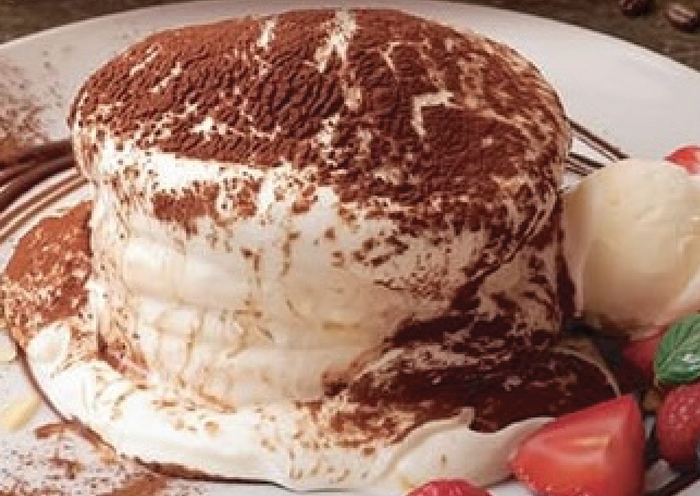
Beyond the Gas Station Snack In the US, gas station or convenience store desserts are usually sad, pre-packaged donuts or highly processed candy bars that sit on the shelf for months. But in Japan, the “Konbini” dessert aisle is a fiercely competitive culinary battleground. It genuinely rivals the quality of a high-end French bakery, offering everything from fluffy roll cakes made with premium Hokkaido cream to rich, bitter Uji matcha parfaits. The Tuesday Rule The secret to their success is the aggressive product development cycle. Japanese convenience stores release a brand-new lineup of seasonal sweets almost every single Tuesday! They…

What Is a Mobile Supermarket? (Japan’s Traveling Convenience Stores)

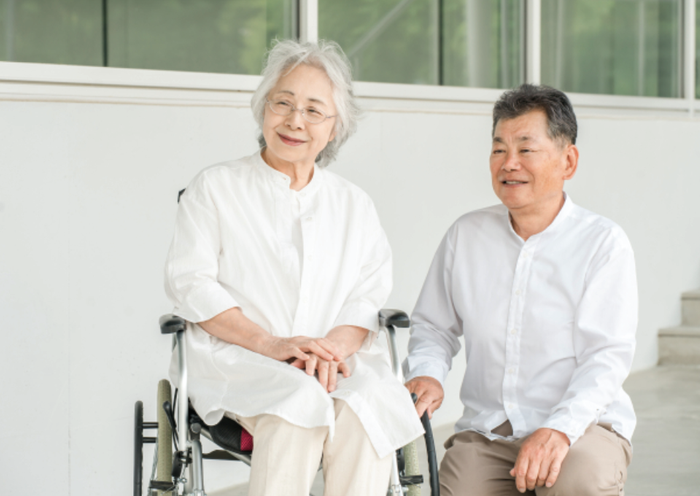
The “Shopping Refugee” Problem Japan has the oldest population in the world. As millions of elderly citizens surrender their driver’s licenses for safety reasons, a new social issue has emerged: “Kaimono Nanmin” (Shopping Refugees). In rural mountain villages, and even in the steep, hilly suburbs of major cities, many older adults simply cannot walk miles carrying heavy grocery bags. To solve this modern challenge, Japan invented the “Idou Super” (Mobile Supermarket). The Store on Wheels Major convenience store chains and local grocers have transformed small delivery trucks into fully-stocked mini-shops on wheels. They pack over 400 items—including fresh sashimi, vegetables,…

Why “Hibachi” Restaurants Are a Myth (The Teppanyaki Mix-Up)

The American Favorite If you want a fun, fiery, and highly entertaining dinner in the US, you go to a “Hibachi” restaurant. Chefs wearing tall hats masterfully flip shrimp into their pockets, juggle sharp knives, and create massive volcanos out of stacked onions. It is a beloved American dining experience. But if you travel to Tokyo and ask your hotel concierge to recommend a good “Hibachi” restaurant, they will look at you in complete confusion. The Translation Trap In Japanese, a “Hibachi” (literally “fire bowl”) is actually an ancient, traditional indoor heating stove. It is a ceramic pot filled with…

Who Invented the QR Code? (The Japanese Board Game Inspiration)

The Everyday Scan Today, QR codes are absolutely everywhere. Whether you are scanning a menu at a restaurant in Los Angeles, paying for groceries, or checking in for a flight, it is hard to imagine modern life without them. But did you know that this globally essential technology is not from Silicon Valley, but was actually born in Japan in the 1990s? The “Go” Board Inspiration In 1994, a Japanese engineer named Masahiro Hara was working for a Toyota subsidiary. He needed a way to track car parts on the factory line more efficiently because standard barcodes couldn’t hold enough…

EVENT View More

[April 17th] Rediscover the World of Shochu! “Shochu Fiesta” Coming Soon 

.  Celebration of Shochu: Premium Brands & Exquisite Pairings by Ise-Shima  Join us on Friday, April 17th, for “Shochu Fiesta,” an event designed for everyone from shochu beginners to seasoned enthusiasts!  The event will be held at Ise-Shima Restaurant, located within the Miyako Hybrid Hotel in Torrance. Enjoy an impressive lineup of premium shochu, including popular brands like Iichiko, Nikaido, and Nankai Shochu. Best of all, guests can enjoy unlimited shochu tastings throughout the evening.  Savor Ise-Shima’s signature appetizers, such as yakitori, are perfectly paired to complement the spirits. Gather your friends and colleagues for a vibrant and flavorful night out!   Event Details ・Date &…

Exclusive Pre-Sale for YOSHIKI in L.A. July 16-17!

YOSHIKI returns to Los Angeles for “Classical 2026” at Walt Disney Concert Hall on July16–17! Experience the monumental “rebirth” of a global icon in two amazing LIVE performances-“Scarlet Night” and “Violet Night” – with different set lists each night! Use the exclusive pre-sale code ROCKSTAR to get your seats before general tickets go on saleApril 10!

Popular Japanese Food Shows Now Streaming Free in North America 

.  “Channel Oishii” launches March 25 in the U.S. and Canada  A new specialty channel featuring popular Japanese food-themed programs, Channel Oishii, is launching in the U.S. and Canada on March 25.  Available through a free ad-supported streaming service (FAST), the channel offers a new way for viewers in North America to enjoy Japanese food and lifestyle content at no cost.  Channel Oishii will stream a curated lineup of food-related programs produced by commercial broadcasters across Japan, available 24 hours a day. In addition to the live channel format, the service also supports on-demand viewing, making it easy to watch favorite shows anytime.  The channel will be available…

Only $9.99 for a limited time! | Onodera Ramen

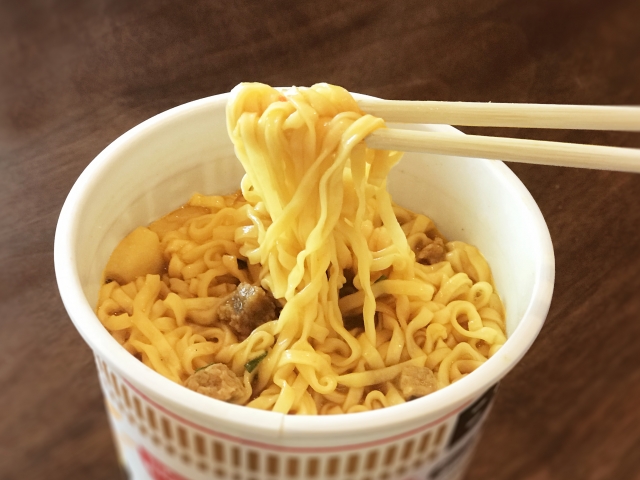
Now just $9.99! Onodera Ramen Ever catch that rich, savory ramen aroma while shopping at Tokyo Central (PCH or Yorba Linda) and suddenly feel hungry? Get authentic ramen right in the food court!Onodera Ramen is running a limited-time special — only $9.99!Craving real ramen? 🍜 Deep umami flavor from a bold soy sauce base and delicate Kyoto-style dashi. 🍖 The thick, juicy chashu is a big hit with customers. Perfect for a quick lunch, or dinner with the whole family.Stop by Onodera Ramen during your shopping trip and give it a try! Onodera Ramen 📍 Tokyo Central (Torrance PCH) Insta:@onoderaramen.torrance…

MONTHLY FEATURE View More

Shochu 101: From Classic Sips to Modern Cocktails

What is Shochu? Shochu is a spirit that features a variety of traditional ingredients drawn from Japan’s long history, offering a wide range of appealing aromas and flavors. There are two main types of Shochu: authentic Honkaku Shochu (single-distilled) and the more neutral-tasting Korui Shochu (multiple-distilled). Honkaku Shochu is crafted from a diverse array of raw, flavorful ingredients. Its alcohol by volume (ABV) typically ranges from 20% to 30%, which is lower than that of many other spirits worldwide. However, the aromas produced by different ingredients and distillation methods give Honkaku Shochu a truly memorable character. Let’s explore some of…

YUZU – Japan’s Citrus Star Taking Over Global Cuisine

Yuzu is a small, highly aromatic citrus fruit native to East Asia, and it has been treasured in Japan for centuries. In modern times, it remains deeply rooted in Japan’s food culture and traditional customs. The fruit is roughly the size of a small grapefruit, with a rough, bumpy skin. As it ripens, its skin turns a vibrant yellow, releasing a powerful fragrance that can fill an entire room with just a single piece. The flavor of yuzu is uniquely complex, blending the sharp acidity of lemon, the gentle sweetness of mandarin orange, and a slight bitterness reminiscent of grapefruit.…

INTERVIEW View More

[Japanese Interviews: Life in LA] Wataru Matsumoto: What Baseball Taught Me — A Life of Exploration and Verification

“It all started with coming here to chase my dream of forming a band with Americans, touring the world, and becoming a rock star.” Atsushi Nakagawa founded AMAZAKE CO. in Los Angeles in April 2019. He is the creator of the “Amazake Latte,” which has gained popularity at Farmers Markets in Torrance and Hollywood. How did his dream evolve? We took a closer look at his life.

[Japanese Interviews: Life in LA] Haruka Igarashi: From Tokyo Stages to the Global Success of ‘SHOGUN’

Haruka Igarashi    Profession: ActorBorn: 1995, Toshima Ward, Tokyo, Japan.Education: Bachelor’s Degree in Humanities (European Culture), graduated in 2019.Career Highlights: Made her stage debut in the play Shugakuryoko in Tokyo as a teenager. After graduating from university, she moved to the U.S. in December 2020 to pursue broader acting opportunities. She gained international recognition for her role as “Lady Rin” in the Emmy and Golden Globe-winning historical drama SHOGUN. She also stars as Keiko in the upcoming horror-suspense film Parachutes, which she represented at the San Diego Comic-Con International Independent Film Festival. ■ Stepping into the Hollywood Spotlight “I’ve always been…

TRAVEL View More

Trip 2 JAPAN | Beyond Sightseeing: Exploring Japan Through Food, Culure, and Unique Experiences

With the continued trend of a weak yen, the number of visitors to Japan has been steadily increasing. In 2024, the number of inbound tourists reached 36.86 million, setting a new all-time annual record. Notably, the United States ranked 4th in the number of visitors by country. Japan’s rich cultural heritage, exquisite cuisine, and breathtaking seasonal landscapes continue to captivate travelers from around the world. At the same time, travel styles are becoming increasingly diverse. In the past, many tourists focused on experiencing Japan’s history by visiting famous temples and strolling through old townscapes. However, today’s travelers have a wider…

FOOD View More

Why Are Japanese Convenience Store Sweets So Good? (The Tuesday Miracle)

Beyond the Gas Station Snack In the US, gas station or convenience store desserts are usually sad, pre-packaged donuts or highly processed candy bars that sit on the shelf for months. But in Japan, the “Konbini” dessert aisle is a fiercely competitive culinary battleground. It genuinely rivals the quality of a high-end French bakery, offering everything from fluffy roll cakes made with premium Hokkaido cream to rich, bitter Uji matcha parfaits. The Tuesday Rule The secret to their success is the aggressive product development cycle. Japanese convenience stores release a brand-new lineup of seasonal sweets almost every single Tuesday! They…

Why “Hibachi” Restaurants Are a Myth (The Teppanyaki Mix-Up)

The American Favorite If you want a fun, fiery, and highly entertaining dinner in the US, you go to a “Hibachi” restaurant. Chefs wearing tall hats masterfully flip shrimp into their pockets, juggle sharp knives, and create massive volcanos out of stacked onions. It is a beloved American dining experience. But if you travel to Tokyo and ask your hotel concierge to recommend a good “Hibachi” restaurant, they will look at you in complete confusion. The Translation Trap In Japanese, a “Hibachi” (literally “fire bowl”) is actually an ancient, traditional indoor heating stove. It is a ceramic pot filled with…

Was Japan a Vegetarian Nation for 1,400 Years? (The Meat-Eating Taboo)

The Ancient Meat Ban When foreigners think of Japanese food today, they usually imagine Wagyu beef, tonkotsu ramen, or chicken teriyaki. However, for the vast majority of Japanese history, eating the meat of four-legged animals was strictly forbidden. In 675 AD, Emperor Tenmu issued the first official decree banning the consumption of cattle, horses, dogs, monkeys, and chickens, largely influenced by the Buddhist belief in the sanctity of life. This was not a temporary fad; the ban was reinforced for over 1,000 years. While people still occasionally ate wild boar or deer (calling them “mountain whales” to bypass the rules),…

Why Must You Lift Your Bowl in Japan? (The Unique Dining Etiquette)

The Floating Bowl Rule If you sit down for a traditional Japanese meal, you might accidentally break a major etiquette rule without even realizing it. In Japan, when you are eating foods served in small bowls—like steaming white rice or Miso soup—it is considered standard and polite to physically lift the bowl off the table with your non-dominant hand and hold it close to your chest. You then use your chopsticks in your dominant hand to bring the food directly to your mouth. Leaving your rice bowl sitting flat on the table while leaning your head over it to eat…

Why Are Japanese Lunchboxes a Work of Art? (The “Kyaraben” Phenomenon)

Beyond the Brown Bag For many kids in the United States, a packed school lunch usually means a simple brown paper bag containing a peanut butter and jelly sandwich, an apple, and maybe a bag of potato chips. It is quick, highly functional, and requires minimal effort. But in Japan, the homemade “Bento” (lunchbox) is taken to an entirely different level of culinary dedication. A traditional Japanese bento is carefully engineered to be visually stunning, perfectly balanced in nutrition, and delicious even when eaten cold. The golden rule of packing a bento is utilizing at least three vivid colors—red (tomatoes…