Why Can’t You Enter Hot Springs (Onsen) If You Have a Tattoo?

Japan is famous for its Onsen (hot springs), but if you have tattoos, you might face a harsh reality: a sign saying “No Tattoos Allowed.” Historically, tattoos in Japan were strongly associated with the Yakuza (organized crime syndicates). To keep bad elements out, bathhouses banned ink completely. Even today, despite tattoos being common fashion for tourists, many traditional Onsens strictly enforce this rule, regardless of whether it’s a giant dragon or a tiny butterfly.

View More Why Can’t You Enter Hot Springs (Onsen) If You Have a Tattoo?

Why Must You Take Off Your Shoes Before Entering a House?

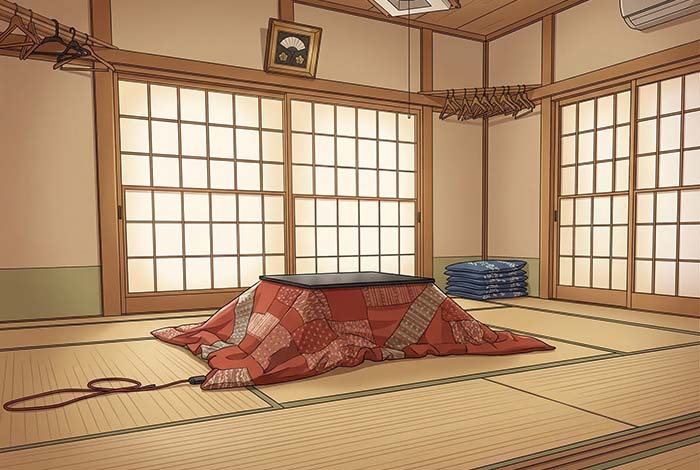
When you enter a Japanese home, a Ryokan (traditional inn), or even some Izakaya restaurants, look down immediately. Is there a small step up or a change in flooring material? That is the “Genkan” area. This is the sacred border between the “dirty outside world” and the “clean inside sanctuary.” You MUST remove your shoes here. Stepping onto the raised floor with shoes on is one of the most disrespectful things you can do in Japan.

View More Why Must You Take Off Your Shoes Before Entering a House?

Sleep in a Spaceship: The Sci-Fi World of Capsule Hotels

If you want to experience the future, don’t book a 5-star hotel. Book a “Capsule Hotel.” Originally designed for busy businessmen who missed the last train, these accommodations have evolved into stylish, high-tech facilities that look like the crew quarters of a spaceship. For about $30 to $50 a night, you get a private pod equipped with a control panel for lights, air conditioning, and sometimes even a TV.

View More Sleep in a Spaceship: The Sci-Fi World of Capsule Hotels

Why Is It Legal to Drink Alcohol on the Street in Japan?

Walking down the street in Shibuya or Shinjuku at night, you might see a businessman in a suit holding a can of beer on his way to the station. In the U.S., this would get you a ticket for violating “Open Container Laws.” In Japan, however, this is perfectly legal. Japan has no laws prohibiting drinking alcohol in public spaces.

View More Why Is It Legal to Drink Alcohol on the Street in Japan?

Running Out of Cash? How 7-Eleven ATMs Save Travelers in Japan

Imagine this: You just finished a delicious meal at a traditional Ramen shop. You pull out your credit card, and the owner crosses his arms saying, “CASH ONLY.” Japan is still largely a cash-based society, and many authentic restaurants and ticket machines do not accept cards. To make matters worse, traditional Japanese bank ATMs often reject foreign cards and close in the evening.

View More Running Out of Cash? How 7-Eleven ATMs Save Travelers in Japan

Better Than KFC? Why You Must Try the “Hot Snacks” Next to the Register

When you enter a Japanese convenience store, do not ignore the glass display case next to the cash register. This is where the magic happens. Unlike the stale roller-dogs found in US gas stations, Japanese “Hot Snacks” are freshly fried in-store throughout the day. The quality is so high that during Christmas, many Japanese people actually prefer konbini chicken over fancy restaurants.

View More Better Than KFC? Why You Must Try the “Hot Snacks” Next to the Register

Why Anthony Bourdain Loved It: The Cult of the Japanese Convenience Store Egg Sandwich

You might be skeptical if a travel guide told you to eat lunch at a convenience store. In many countries, convenience store food is viewed as a quick, practical option rather than a gourmet experience. However, in Japan, the “Konbini Egg Sandwich” (Tamago Sando) is a culinary masterpiece. The late Anthony Bourdain famously described the one from Lawson as “unnatural, inexplicable, and delicious.” It has since become a must-eat ritual for chefs and foodies visiting Japan.

View More Why Anthony Bourdain Loved It: The Cult of the Japanese Convenience Store Egg Sandwich

Is That Real Food? The Amazing World of Plastic Food Samples

Walking past restaurants in Japan, you will see glass display cases filled with delicious-looking Sushi, Ramen, and Parfaits. They look so fresh and realistic that you might think they put real food in the window. Look closer—they are fake! These are “Shokuhin Sample” (Food Samples), hyper-realistic plastic replicas designed to show customers exactly what the dish looks like.

View More Is That Real Food? The Amazing World of Plastic Food Samples

To Slurp or Not to Slurp? The Great Noodle Debate in Japan

In almost every country in the world, making noise while eating is considered bad manners. If you slurp your spaghetti in Italy, people will frown. However, walk into a Ramen or Soba shop in Tokyo, and you will hear a symphony of loud slurping sounds. In Japan, slurping noodles is not rude—it is actually the standard way to eat.

View More To Slurp or Not to Slurp? The Great Noodle Debate in Japan

The “Otoshi” Surprise: Why Is There a Mystery Charge on My Bill?

You enjoyed a fantastic meal at a Japanese Izakaya (pub), but when you get the bill, you notice a charge of 300 to 500 yen per person that you didn’t order. Before you complain to the staff about a mistake, stop! This is likely the “Otoshi” (or Tsukidashi), a unique Japanese custom similar to a table charge or cover charge.

View More The “Otoshi” Surprise: Why Is There a Mystery Charge on My Bill?