Why Is Your “Omakase” Not Real Omakase? (The Trust Test)

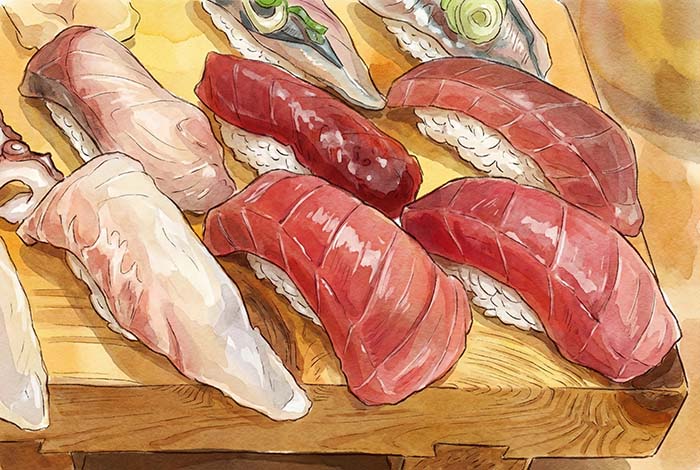
In the US, “Omakase” has become a trendy word for a fancy, expensive set menu. But the real Japanese meaning is “I leave it up to you.” It is the ultimate act of trust. You are telling the chef, “I trust your skill more than my own choice.” It’s not a fixed list of dishes; it’s a dynamic performance.

View More Why Is Your “Omakase” Not Real Omakase? (The Trust Test)

Why Did Everyone Gasp When I Passed Food with Chopsticks?

You want to share a piece of delicious Tempura with your friend, so you pass it from your chopsticks to theirs. STOP! This is the single biggest taboo in Japanese dining. It looks exactly like a funeral ritual where family members pass the bones of the deceased after cremation. Doing this at a dinner table horrifies Japanese people.

View More Why Did Everyone Gasp When I Passed Food with Chopsticks?

Why Do Japanese Waiters Make an “X” Sign at Me?

You walk into a busy restaurant, and the staff looks at you and crosses their arms in an “X” shape. Are they angry? No. In Japan, making an “X” with your arms means “Full” or “No Vacancy.” It is a quick, silent way to tell you from a distance that there are no seats available. Don’t take it personally; just look for the next place!

View More Why Do Japanese Waiters Make an “X” Sign at Me?

Why Smart Travelers Don’t Buy Paper Train Tickets in Tokyo?

Walk into a Tokyo station, and you will see a giant map with hundreds of station names. Trying to find your fare is stressful. The truth is, most locals don’t buy paper tickets. They use IC Cards (Suica or PASMO). And the best part? You can add them to your US iPhone or Apple Watch right now! You do not need a Japanese phone number or Apple ID.

View More Why Smart Travelers Don’t Buy Paper Train Tickets in Tokyo?

Get 10% Cash Back! The Ultimate Guide to “Tax-Free” Shopping

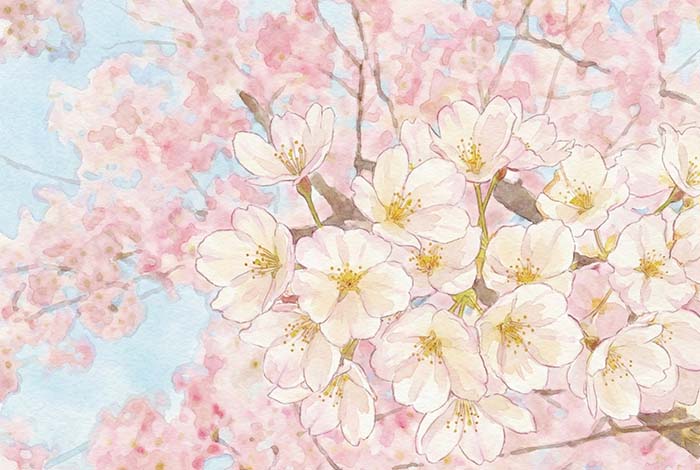
Shopping in Japan is already affordable due to the weak Yen, but you can make it even cheaper. Look for the “Tax-Free” logo (usually a cherry blossom icon) at shops like Don Quijote, Uniqlo, and drugstores. As a tourist staying less than 6 months, you are exempt from the 10% consumption tax. It’s an instant discount!

View More Get 10% Cash Back! The Ultimate Guide to “Tax-Free” Shopping

Is It Rude to Eat on the Street? The Truth About “Tabearuki”

In NYC, walking with a slice of pizza is normal. In Japan, walking while eating is generally considered bad manners. It is seen as “sloppy” and risks spilling food on others or the clean streets. If you buy a snack from a convenience store, the polite thing to do is to stand outside the store, eat it quickly, and throw the trash in the store’s bin before moving on.

View More Is It Rude to Eat on the Street? The Truth About “Tabearuki”

Everything is $0.70? The Wonderland of “100 Yen Shops”

You might have “Dollar Stores” in your country, but Japanese “100 Yen Shops” (like DAISO, Seria, Can Do) are on a completely different level. They are not filled with cheap junk; they are treasure troves of high-quality, cleverly designed products. From ceramics and stationery to kitchen gadgets and cosmetics, the quality is often so high you won’t believe the price tag.

View More Everything is $0.70? The Wonderland of “100 Yen Shops”