Why Are Japanese High Schools Suddenly Theme Parks? (The “Gakuensai” Magic)

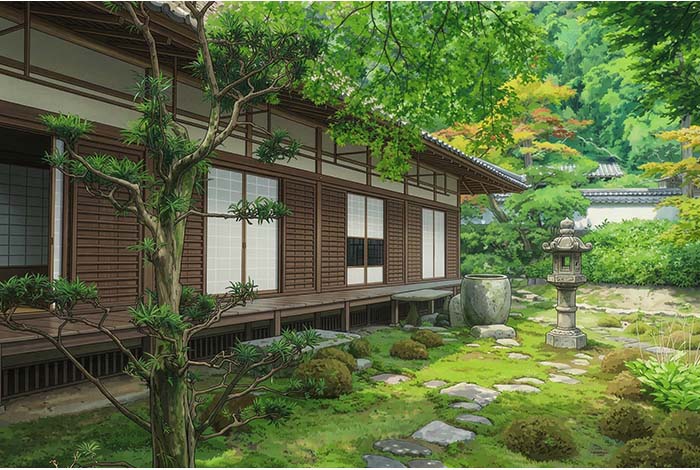
The Ultimate Student Event In American high schools, the biggest events of the year are usually Prom or Homecoming games. But in Japan, the absolute peak of youth culture is the “Gakuensai” (School Festival).For one weekend, the entire school literally transforms into a massive, student-run theme park. Student-Run Businesses Students spend weeks preparing. Normal classrooms are completely redesigned.Class 2-A might become a creepy haunted house, Class 2-B might build a maid cafe,and the courtyard fills with food stalls selling yakisoba and takoyaki cooked entirely by the teenagers themselves. 👉 Curious about Japanese student life?Read Next: https://japanupmagazine.com/archives/18831 The Open Campus The…

View More Why Are Japanese High Schools Suddenly Theme Parks? (The “Gakuensai” Magic)

Why Are Japanese Kids Attacking a Watermelon? (The “Suikawari” Ritual)

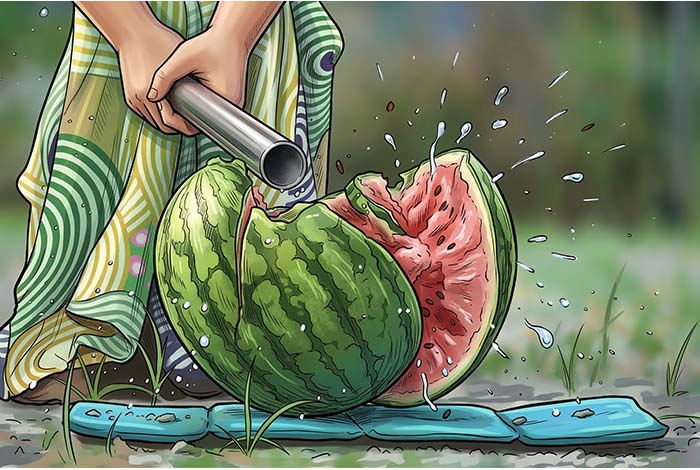
The Beach Battlefield Imagine walking down a beautiful Japanese beach in mid-summer.Suddenly, you see a group of people cheering as a blindfolded person wildly swings a long wooden stick at a giant watermelon sitting in the sand. The Rules of the Game This chaotic event is called “Suikawari” (Watermelon Splitting). The rules are simple: Place a watermelon on a tarp or the ground, blindfold the “hitter,” spin them around a few times, and let them try to smash the fruit while listening to the frantic, often conflicting directions shouted by their friends! 👉 Want to master Japanese grocery shopping?Read Next:…

View More Why Are Japanese Kids Attacking a Watermelon? (The “Suikawari” Ritual)

Why Is Japanese Mochi So Stretchy? (The Secret of “Mochigome” Rice)

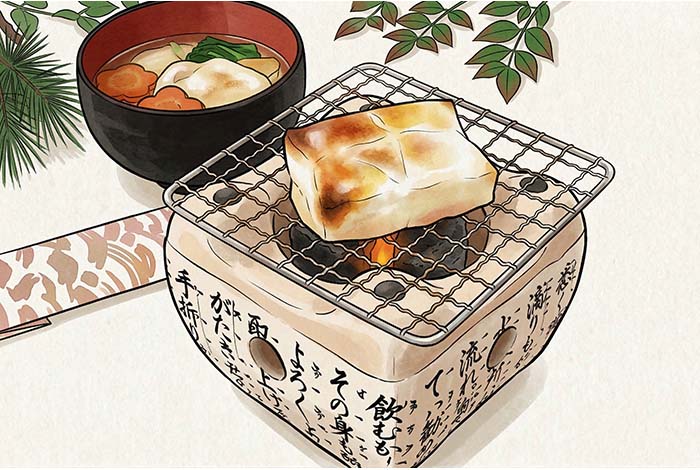
The Mystery of the Chewy Treat Mochi is now a massive trend worldwide, famous for wrapping around ice cream or being dipped in sweet soy sauce. It is known for its incredibly chewy, stretchy texture. But here is a fact many foreigners don’t realize: you cannot make real mochi by just mashing up your everyday dinner rice. Two Different Breeds Japan grows two entirely distinct categories of rice. The normal, everyday white rice you eat with sushi or curry is called “Uruchimai.” Mochi, however, is strictly made from a completely different, specialized breed of grain called “Mochigome” (Glutinous Rice). The…

View More Why Is Japanese Mochi So Stretchy? (The Secret of “Mochigome” Rice)

What Is the Endless Noodle Challenge? (The “Wanko Soba” Experience)

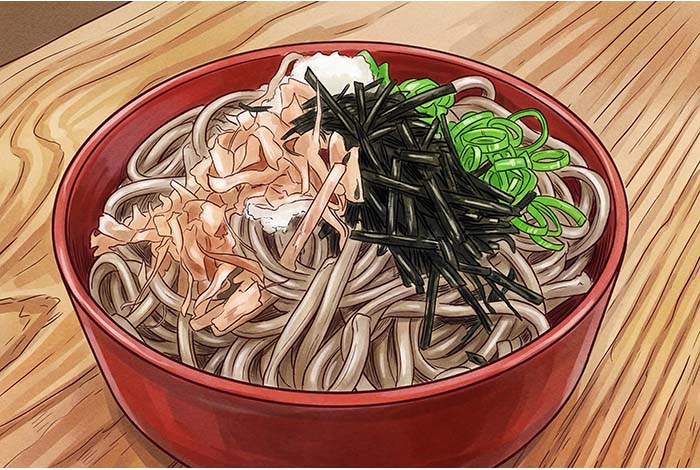
The Ultimate Eating Contest In the US, competitive eating usually involves hot dogs or pies. In Japan, the ultimate food endurance test is “Wanko Soba.” It is a fast-paced, traditional dining experience where you eat bite-sized portions of buckwheat noodles from tiny bowls until you physically cannot take another bite. The Relentless Servers The moment you finish your tiny bowl, a server standing right next to you instantly drops another bite of noodles into it. They do this with a rhythmic, encouraging chant like “Hai, dondon!” (More, more!) or “Hai, jan-jan!” (Keep going!). It is an overwhelming, hilarious battle of…

View More What Is the Endless Noodle Challenge? (The “Wanko Soba” Experience)

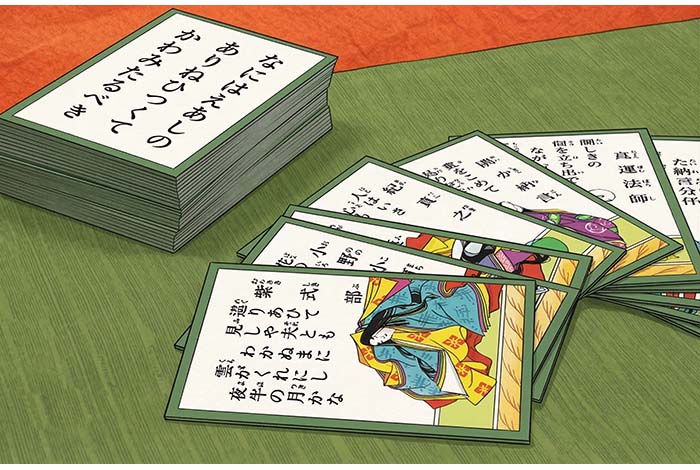
Why Is This Japanese New Year Game So Aggressive? (The “Karuta” Battle)

The Full-Contact Card Game When you think of traditional card games, you might imagine quiet, strategic games like Poker. But in Japan, the traditional New Year’s card game called “Karuta” is basically a full-contact indoor sport. It requires intense listening, lightning-fast reflexes, and a willingness to dive across the floor. How to Play The rules are simple but chaotic. Picture cards are spread out on the floor. One person acts as the “reader” and reads a clue from a separate deck aloud. The players must aggressively scan the floor, find the matching picture card, and slap it with their hand…

View More Why Is This Japanese New Year Game So Aggressive? (The “Karuta” Battle)

Why Do Japanese People Hang White Ghosts in Their Windows? (The “Teru Teru Bozu” Magic)

Not a Halloween Decoration If you visit Japan in June, you might see small, white, ghost-like figures made of cloth or tissue paper hanging from house windows and school eaves. Don’t worry, it isn’t an early Halloween celebration. These are “Teru Teru Bozu” (Sunshine Monks). The Weather Magic Teru Teru Bozu are traditional handmade amulets designed to stop the rain. When Japanese kids have a highly anticipated outdoor event the next day—like a sports festival or a school field trip—they will desperately craft these little figures and hang them up, praying for sunny skies. The Dark Origin Story Despite their…

View More Why Do Japanese People Hang White Ghosts in Their Windows? (The “Teru Teru Bozu” Magic)

Why Do Japanese Kids Hide Their Belly Buttons During a Thunderstorm? (The “Raijin” Myth)

The Scary Thunder God Summer in Japan brings intense, sudden thunderstorms. When the sky turns black and thunder rumbles, you might see Japanese grandmothers rushing to tell children, “Hide your belly button, or the Thunder God will steal it!” The Myth of Raijin In Japanese mythology, “Raijin” is a fearsome, muscular god of lightning who beats on drums to create thunder. According to old folklore, he loves to eat children’s belly buttons. To protect themselves, kids must cross their arms over their stomachs and hunch over. The Hidden Wisdom (Health) Why did this bizarre legend start? It is actually practical…

View More Why Do Japanese Kids Hide Their Belly Buttons During a Thunderstorm? (The “Raijin” Myth)

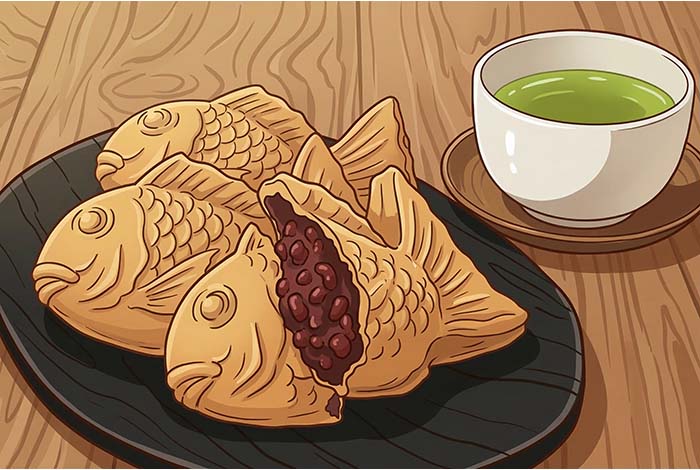
Head or Tail? The Ultimate Japanese Street Food Debate (The “Taiyaki” Dilemma)

The Lucky Fish Pancake If you walk past a Japanese festival or a small street-side stall, the sweet smell of batter baking will pull you in. This is “Taiyaki”—a hot, fish-shaped waffle-like pancake. The shape of the sea bream (“Tai”) represents good luck in Japan. Traditional vs. Modern Traditionally, Taiyaki is stuffed with sweet, steaming red bean paste (Anko). However, modern stalls have evolved to satisfy every craving. Today, you can easily find them filled with rich vanilla custard, melted chocolate, matcha cream, and even savory options like cheese or curry. The Great Debate But eating Taiyaki comes with a…

View More Head or Tail? The Ultimate Japanese Street Food Debate (The “Taiyaki” Dilemma)

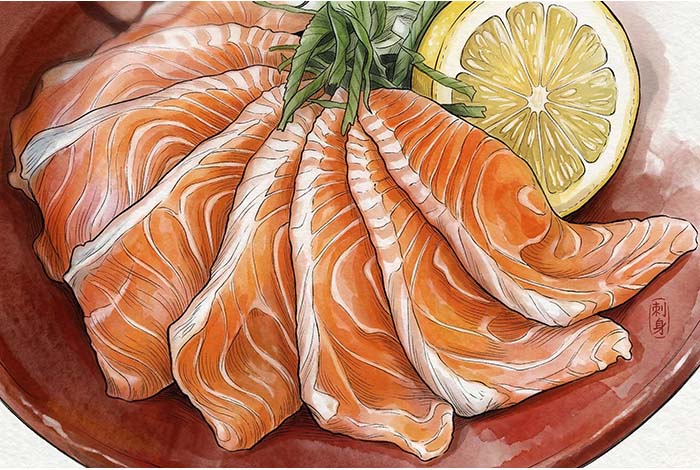
Why Traditional Japanese Sushi Chefs Didn’t Serve Salmon (The Norwegian Sushi Revolution)

The Global Superstar If you go to a sushi restaurant in Los Angeles, Paris, or London, Salmon is undoubtedly the star of the show. Its buttery, bright orange slices are the undisputed king of global sushi. But in Japan, the history of raw salmon is shockingly recent. The Parasite Problem In the Showa era (mid-20th century) and earlier, you would never find raw salmon at a Japanese sushi restaurant. Wild Pacific salmon carried a high risk of parasites (like Anisakis). Therefore, Japanese people strictly cooked their salmon—grilling or heavily salting it for breakfast. The Norwegian Innovation Everything changed in the…

View More Why Traditional Japanese Sushi Chefs Didn’t Serve Salmon (The Norwegian Sushi Revolution)

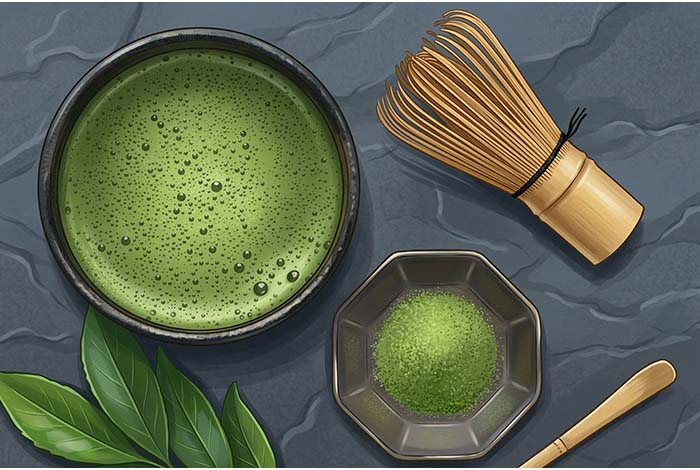
Why Do You Have to Rotate the Cup? (The Hidden Choreography of Japanese Tea)

More Than Just a Drink In America, getting tea usually involves throwing a bag into boiling water and rushing out the door. But in Japan, “Sado” (the traditional Tea Ceremony) transforms the simple act of preparing and drinking Matcha into an intricate, meditative art form. The Choreography of Tea When you attend a tea ceremony, you will notice that every single movement is highly choreographed. From how the host folds the silk cloth to the exact angle the hot water is poured, there are strict rules. It is a slow, silent dance designed to focus the mind completely on the…

View More Why Do You Have to Rotate the Cup? (The Hidden Choreography of Japanese Tea)

What Is the Singing Truck Driving Slowly Through Japanese Streets? (The “Yaki-Imo” Nostalgia)

The Mysterious Melody If you walk through a quiet residential street in Japan during winter, you might hear a slow, hauntingly nostalgic melody echoing in the distance. A deep voice sings out over a loudspeaker: “Ishi yaaaaki-imo…” What is going on? The Mobile Stone Oven This is the “Ishi Yaki-Imo” (Stone-Roasted Sweet Potato) truck. It is usually a tiny “Kei” (mini) truck equipped with a traditional stone oven in the back. The vendor drives at a crawling speed, selling piping hot, incredibly sweet roasted sweet potatoes straight from the hot stones. The Showa Era Magic Today, you can easily buy…

View More What Is the Singing Truck Driving Slowly Through Japanese Streets? (The “Yaki-Imo” Nostalgia)

Why Are There Hundreds of Rice Balls in the Supermarket? (The “Onigiri” Universe)

The Ultimate Fast Food The greatest fast food in Japan isn’t a burger; it’s the “Onigiri” (Rice Ball). It is cheap, filling, and famously wrapped in a brilliant plastic film engineered to keep the roasted seaweed crispy until the exact second you bite into it. The Endless Aisle If you walk into a Japanese convenience store (Konbini) or supermarket, you will be shocked by the sheer volume of choices. There aren’t just three or four standard options. There are literally hundreds of varieties lining the shelves, creating an overwhelming wall of rice! The Classic Trinity Of course, you can easily…

View More Why Are There Hundreds of Rice Balls in the Supermarket? (The “Onigiri” Universe)