Share This Article




Japanese scallops are highly prized in overseas markets and represent one of Japan’s top agricultural, forestry, and fisheries exports.
According to statistics from the Ministry of Agriculture, Forestry and Fisheries (MAFF), scallops are a popular export item among Japanese food products. Looking at export value to the U.S. in 2022, scallops are a large export item at 78 billion yen. What explains the tremendous popularity of scallops, which sell so well domestically, as well as other globally popular exports such as whiskey and beef?
Why So Popular Abroad?
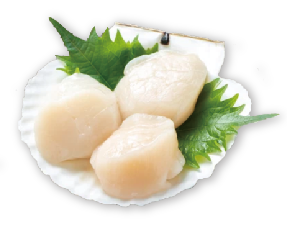
A key factor is scallop size. Scallops caught in the U.S. and elsewhere tend to be much smaller than Japanese scallops. The large raw scallops served at high-end Japanese restaurants overseas have become extremely popular, driving export growth.
How Big are Japanese Scallops?
Most raw scallops for export come from Hokkaido. According to the Hokkaido Fisheries Cooperative, scallop sizes are categorized from 2L to 7S, with 2L being the largest. The premium sizes in demand for export to the U.S. and beyond range from 2L to 3S. A single 2L scallop can weigh 50-60 grams – about the size of an egg!
Careful Hand-Shucking
Most scallops destined for export are carefully hand-shucked using a spatula. However, this manual process has led to labor shortages. Work is underway to develop automated shelling machines, but maintaining freshness while strengthening domestic processing capacity remains an issue.
When are Scallops Best?
Scallops have two peak seasons – summer and winter. Winter scallops are said to make superior broth. Key flavor compounds include the amino acid glycine, succinic acid, and glycogen.
Local Favorite Dishes
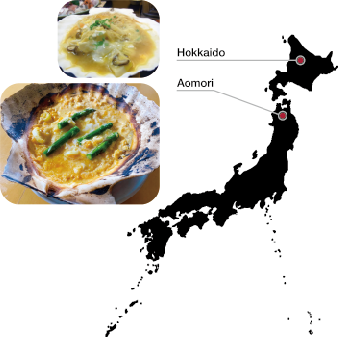
Scallops can be prepared in countless ways, but one beloved regional specialty is “Kaiyaki-Miso” from Aomori Prefecture. It’s made by using the scallop shell as a bowl, adding miso paste to the scallop broth, green onions, and other ingredients, then topped with an egg. In the past, this nourishing dish was served to those recovering from illness.
Hokkaido lands the largest scallop catch in Japan, followed by Aomori. With scallops in season, why not try Japan’s globally popular shellfish?
◆Scallop Trivia
Scallop Ecology
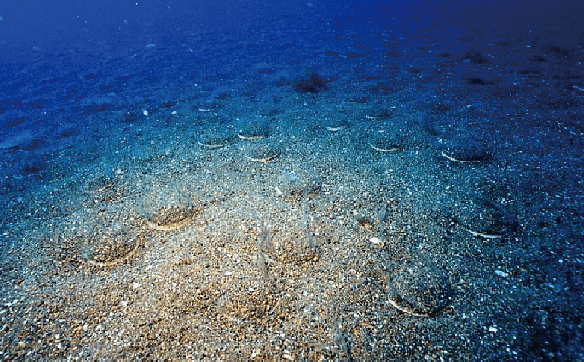
Scallops live on the ocean floor at depths of 20-30 meters, in areas of sandy mud and rubble that have coarser grains than habitats of clams. They inhabit dispersed environments, with habitat temperatures ranging from 5-22°C. Scallops are cold water mollusks – they die if water temperatures exceed 20°C for prolonged periods in summer. Their prevalence in the northern areas of Japan like Hokkaido and Aomori Prefecture demonstrates their preference for cool water.
Origin of Scientific Name
The scientific name Patinopecten yessoensis(JAY) comes from specimens carried back to America from Hakodate by Perry’s fleet in 1854. In 1856 the American scientist Jay coined the name. In Latin, “patino” means plate, “pecten” means comb, and “yessoensis” indicates “of Ezo” – referring to Hokkaido’s former name Ezo. This describes the scallop’s shell – plate-shaped with comb-like ridges.
Origin of Japanese Name
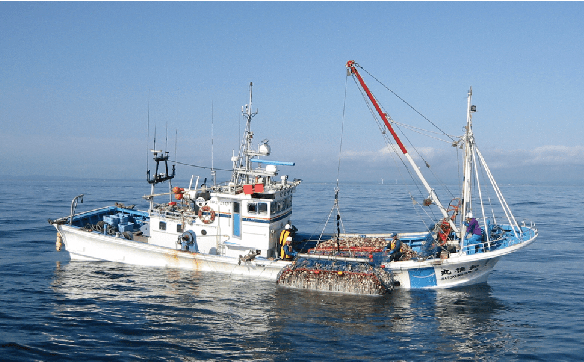
The original Japanese name for a scallop is “hotate.” An old folk etymology claimed it came from “hokakebune” meaning sailboat because scallops supposedly sailed through the water with one shell raised like a sail. But scallops actually move by forcefully ejecting water from their shells.
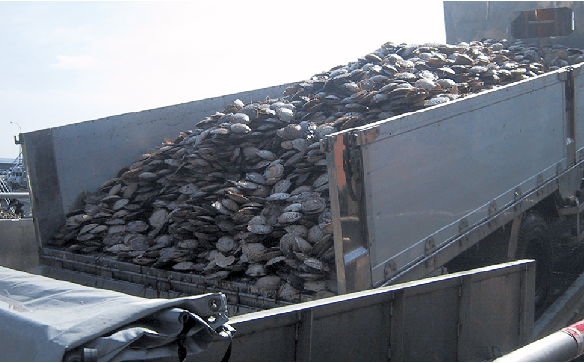
Photo by MAFF (https://www.maff.go.jp/j/pr/aff/2202/spe1_04.html)
High-quality Hokkaido Scallops are Now Available
for Japanese Stores, Online Orders, and Delivery
The Hokkaido scallops can be purchased from Japanese stores and online through UGI FOODS, Weeee!, and Whitefin Market. They also offer a convenient delivery service to bring your order home.
■UGI FOODS
■Weee!
■Whitefin Market
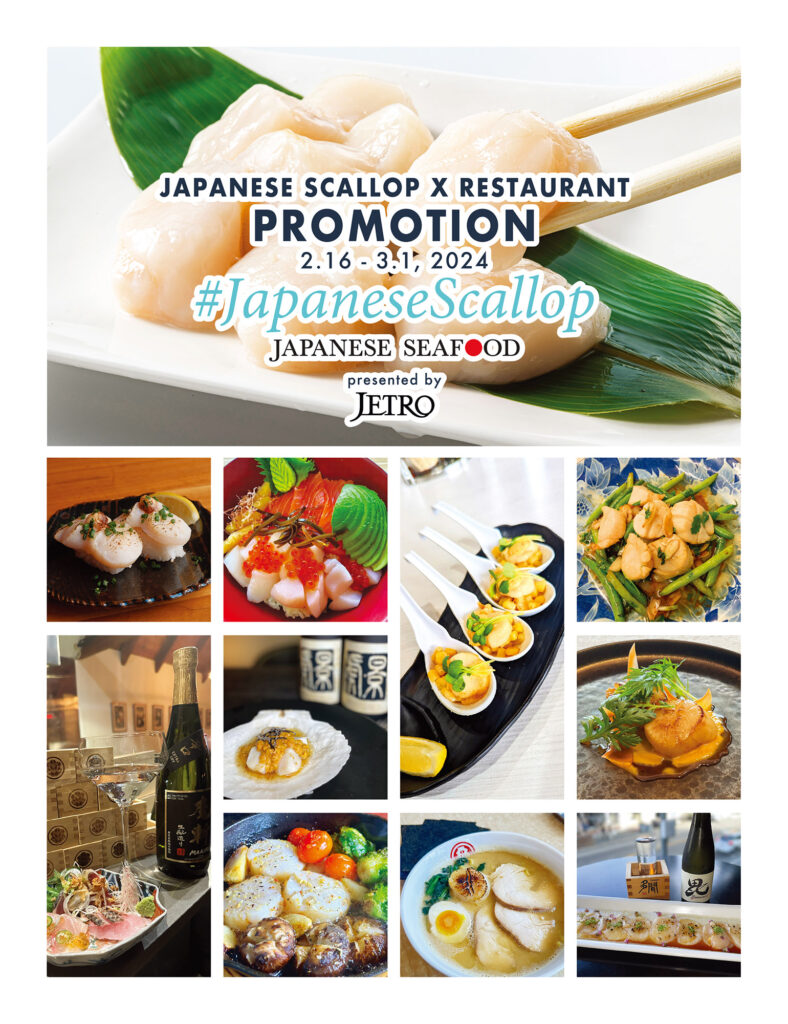
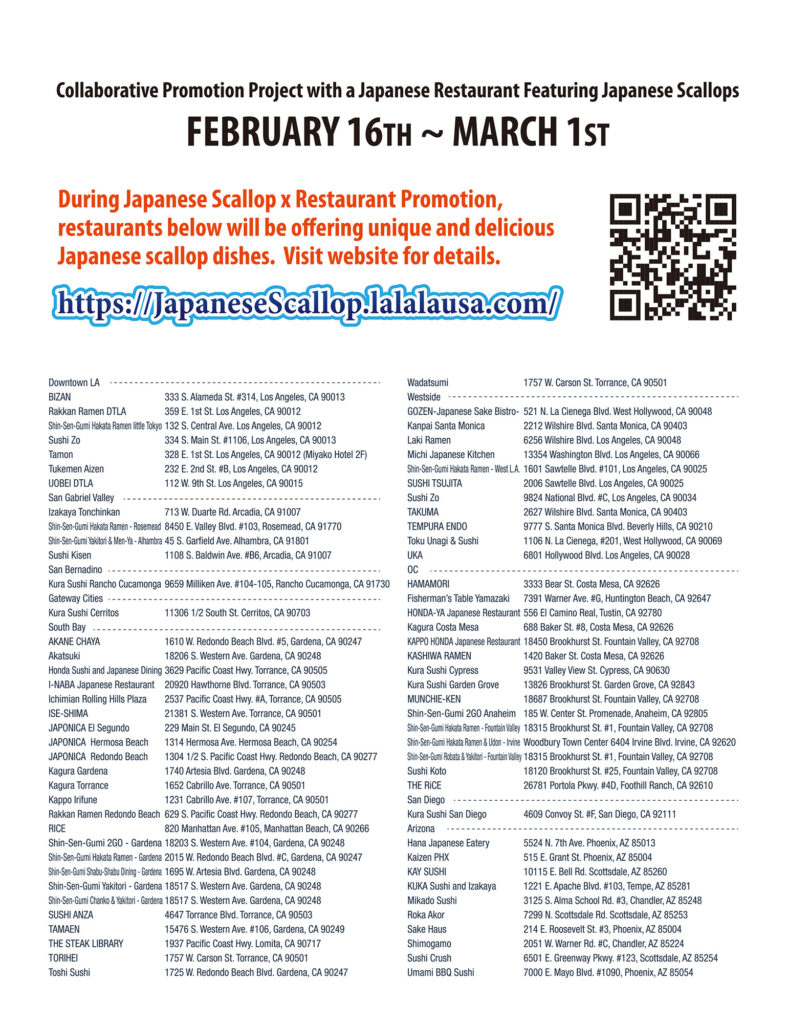
During Japanese Scallop x Restaurant Promotion, restaurants will be offering unique and delicious Japanese scallop dishes! #japanesescallop
Share This Article
NEW MAGAZINE
Related Articles
Pick Up
- Limited Time! RAKKAN Ramen’s Summer Special Menu
- Like Tempura Carlos Jr. EXPRESS on Instagram and Get...
- Where to Buy Yukata in LA: Kyoto Maruhisa USA in Gar...
- Two Luxurious New Wafu Noodle Dishes Arrive at Takag...
- TAKUMA IZAKAYA’s Daily Special Bento Is a Sant...
-

- Kendo Trial Class in SFV area: Beginners Welcome in ...
- Zespri Kiwifruit Season Has Arrived
- Grand Opening of a Massive New Store in Little Tokyo...
- Watch Japanese Anime Free on Channel Oishii, No Sign...
- Tempura Carlos Jr. EXPRESS Opens in the Mitsuwa Del ...
- See more EVENT AND NEWS IN LA articles >





Latest Articles
- How Japanese Companies in the US Hire Bilingual Tale...
- Japan Now! Bon Odori Takes Over Shibuya! The 600-Yea...
- Japan Now! Japan Is Building Its Own Santa Monica, a...
- Japan Now! Ultraman Turns 60! Japan Celebrates Ultra...
- Japan Now! 4 Years Since the Shinzo Abe Assassinatio...
-

- Japan Now! It’s Tanabata! Why All of Japan Is ...
- Japan Now! New Sword Art Online Movie “Integra...
- JAPANESE SAMURAI / Motoori Norinaga
- Japan Now! A “Once in a Decade” Heatwave...
- I LIVE IN JAPAN / Carine Lantignac / Artist and Cult...
- See all articles >