
Share This Article



If you are planning a summer trip to Japan, you have probably pictured warm evenings, festivals, and clear skies over Mt. Fuji. Here is something that does not always make the travel brochures. Summer is also typhoon season, and right now two of them are spinning near Japan at the same time. If you are visiting between roughly June and October, this is worth understanding before you go.
Quick Answer: Japan’s typhoon season runs from about June through October, with the peak in August and September. Typhoons are powerful tropical storms (the Pacific cousin of hurricanes) that can bring extreme wind and rain. Most trips are fine, but a typhoon can shut down trains and flights for a day or two, so travelers should build in flexibility and watch the forecast.
As of the evening of June 25, Typhoon Mekkhala (No. 7) was passing between Okinawa’s main island and Miyakojima, set to make its closest approach to Okinawa on the morning of the 26th with a violent storm zone. A second system, Typhoon Higos (No. 8), is heading toward eastern Japan. Together with the seasonal rain front, they are expected to dump heavy rain across western and eastern Japan through Saturday the 27th.
Here is how the national forecaster framed the danger:
“Please stay on guard for dangerous, severe weather as the storm makes its closest approach to Okinawa.”
What Is a Typhoon, Exactly?
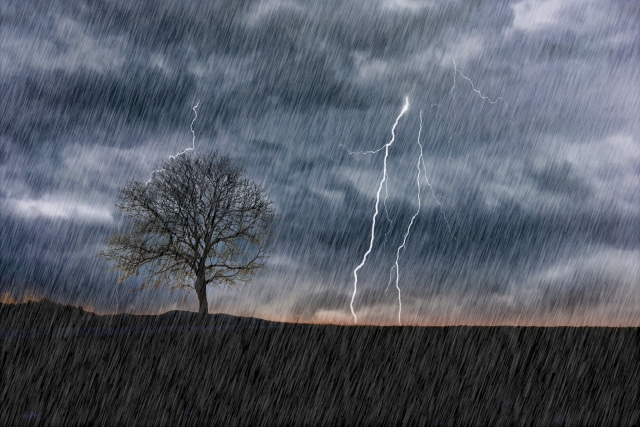
A typhoon is a large tropical storm that forms over the warm waters of the western Pacific. It is the same kind of weather system Americans know as a hurricane, just under a different name used in this part of the world. The core measurements that matter are central pressure and wind speed. Mekkhala, for example, was packing sustained winds around 30 meters per second (about 67 mph) with gusts up to 40 meters per second (about 89 mph). Strong enough to make going outside genuinely dangerous.
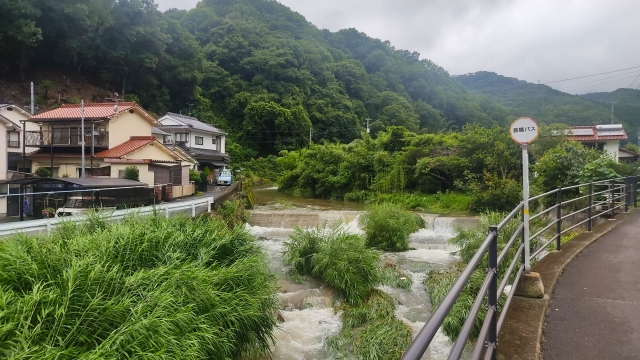
What makes typhoons risky is not only wind. They pull in huge amounts of moisture, and when that collides with Japan’s seasonal rain front, the result can be intense, prolonged downpours. Forecasters were warning of more than 200mm of rain in places by Saturday evening, with localized totals topping 300mm, and the real concern of landslides and flooding.
Why This Matters for Travelers
You might wonder why a storm hitting Okinawa should concern someone visiting Tokyo or Osaka. The answer is that typhoons disrupt the systems travelers depend on most.
When a typhoon approaches, airlines cancel flights, and Japan’s famously punctual trains, including the Shinkansen bullet trains, can suspend service entirely for safety. A storm that looks far away on a map can still strand you in an airport or wipe a travel day off your itinerary. Forecasters noted that even major cities like Osaka, Nagoya, and central Tokyo could see heavy rain from these systems. The good news is that Japan handles this remarkably well, with detailed forecasts and clear public warnings, so a prepared traveler is rarely caught off guard.
A few simple habits make all the difference. Check the forecast daily during your trip. Keep a buffer day before any tight connection like an international flight. Download a Japanese weather app for push alerts. And if a typhoon is forecast, treat a planned indoor day (museums, shopping, an onsen) as a feature, not a setback.
Fun Fact: Where Do Typhoons Get Their Names?

Typhoons in this region are not named at random. An international body called the Typhoon Committee keeps a fixed list of 140 names submitted by member countries, and storms are assigned the next name in order as they form. Mekkhala was Thailand’s contribution and refers to an angel of thunder. Higos, the name of storm No. 8, came from the United States and means “fig” in the Chamorro language of the Mariana Islands.
And one more for the record books. According to statistics going back to 1951, this year is only the third time ever that a typhoon has formed every single month from January through June. The other two years were 1965 and 2015. So if it feels like 2026 has been an unusually busy year for storms, the data agrees.
FAQ

When is typhoon season in Japan?
Roughly June through October, with the most active period in August and September. June, like now, is when typhoon formation typically starts ramping up.
Will a typhoon ruin my trip to Japan?
Usually not. Many visitors travel through the season without major issues. The main risk is a day or two of canceled flights or suspended trains, so flexibility is the key.
How do typhoons affect the bullet train and flights?
For safety, the Shinkansen and other trains may suspend service during a storm, and airlines cancel affected flights. Service usually resumes quickly once the weather passes.
What should I do if a typhoon is coming?
Stay indoors during the peak, follow local advisories, keep your phone charged, and check a Japanese weather app for real-time alerts. Plan indoor activities for that day.
Related Articles
Share This Article
Related Articles
Pick Up
- Japan Now! Why is Japan Quintupling Its Visa Fees? T...
- Sakura: The Spirit of Japan in Full Bloom
- att.JAPAN’s Top Picks: 100 Best Things to Do in Japa...
- att.JAPAN’s Top Picks: 100 Best Things to Do in Japa...
- Top 5 Tokyo “souvenir experiences” to re...
-

- Anime Place 2024
- Enjoy Mt. Fuji from Various Angles: Six Recommended ...
- Ten Must Try Japanese Alcoholic Beverages, Selected ...
- att.JAPAN’s Top Picks: 100 Best Things to Do in Japa...
- att.JAPAN’s Top Picks: 100 Best Things to Do in Japa...
- See more Fun Facts articles >





-150x150.png)



Latest Articles
- Struggling with Infertility? Attend a Free Seminar b...
- Fall Grand Karaoke Festival in Torrance Enjoy Nosta...
- Looking for a Car? Visit South Bay Toyoya! Reliable...
- WA Dining Suya Enjoy the Flavors of Fall with Limit...
- Free Medicare Seminars, Learn the Besics and Review...
-

- Den’s Tea ...
- Capture Special Memories at Kimono no Kobeya ...
- Recommended for Those on a Diet! Healthy Noodles
- Savor Seasonal Specials at TAKAGI COFFEE!
- Daikokuya El Monte Celebrates 10th Anniversary! ...
- See all articles >