Share This Article



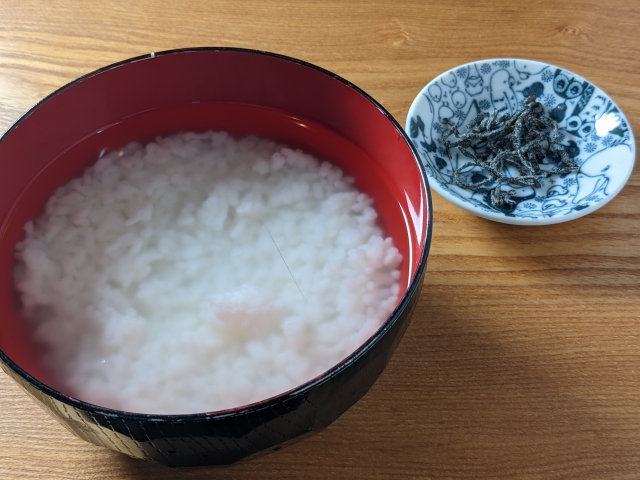
For Americans, “rice with cold water poured over it” sounds less like a recipe and more like a kitchen accident. However, in Japan’s record-breaking summer of 2026, it is suddenly the most talked-about dish on late-night radio. It is called mizukake gohan, a nearly forgotten regional tradition from Yamagata Prefecture, and it is having a viral moment after members of idol group Nogizaka46 championed it on their All Night Nippon show, with member Nagi Inoue taste-testing it live on this week’s broadcast.
Quick Answer: Mizukake gohan (literally “water-poured rice”), known in Yamagata as mizu mama, is chilled cooked rice rinsed of its stickiness and served in cold water, eaten with intensely salty sides like pickles, grilled salted salmon, or umeboshi. Born as a summer survival dish in one of Japan’s historically hottest regions, it is trending now as the country swelters through its hottest summer on record.
Do not mistake this for a lazy hack. It is a thousand years old.
A dish called suihan, rice in cold water, appears in Japanese literature as far back as the Heian period (794-1185), when aristocrats ate it to endure the summer. Over the centuries it survived as a homestyle dish in Japan’s northern interior, especially Yamagata’s Mogami region, where it doubled as frugal genius: leftover rice got a second life, the rinse washed away any hint of summer spoilage, and nothing was wasted. The method matters: you wash the rice under running water to strip the starch until the grains run loose and clean, then pour ice-cold water over it. The result is closer to a crisp, drinkable rice soup than soggy leftovers, and the saltiness of the sides does the seasoning.
The trend’s unlikely engine is Nogizaka46’s All Night Nippon radio show, where Sendai-born member Shiori Kubo introduced the Tohoku custom to a national audience, and this week’s broadcast escalated it: as the show’s official account reported, member Nagi Inoue “also took on mizukake gohan” on air. Listeners are following through. One post quoted by the show summed it up: “On a whim, I made mizukake gohan after getting drenched in sweat. I had made it in winter before, but today it somehow tasted delicious. It might really be good for summer fatigue. I’m from Fukushima, and I had never even heard of it until I heard Kubo talk about it.”
The Reality Check: How to Actually Eat Mizukake Gohan
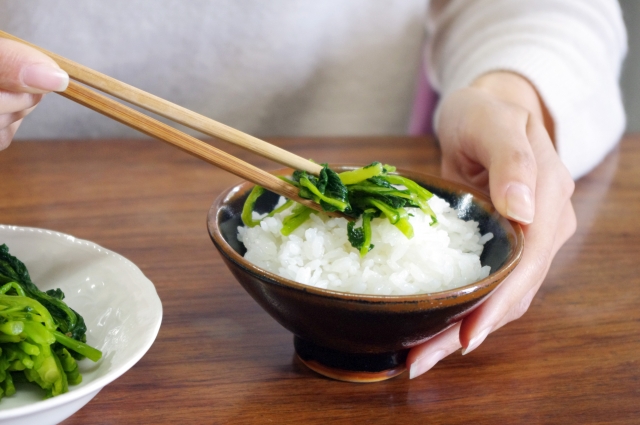
The full Yamagata protocol is simple but specific. Rinse cooked rice (chilled or room temperature) under running water until the stickiness is gone. Drain, place in a bowl, and pour over well-chilled water; purists add an ice cube or two. Then, and this is non-negotiable, pair it with something aggressively salty: Japanese pickles, flaked grilled salted salmon, umeboshi, tsukudani, or a dab of miso, with sliced cucumber or shiso for freshness. Each salty bite followed by a scoop of cool, clean rice is the entire experience. In LA, every component is at your local Japanese market, and any short-grain rice works. If this concept sounds familiar to Koreatown regulars, it should: Korea has its own beloved version of rice in cold water, proof that pouring water on rice is less a quirk than a shared East Asian summer instinct.
Why This Is Sparking Debate in Japan
Is mizukake gohan a delicacy or just wet rice?
Japanese social media is genuinely split. Skeptics, including plenty of Japanese people who had never heard of it, call it “punishment food” and ask why anyone would ruin fresh rice. Defenders, led by proud Tohoku voices, point out the dish was engineered for exactly this moment: appetite gone, kitchen unbearable, body overheating. There is also a quieter story underneath the jokes. Mizukake gohan had been fading toward extinction as a home custom, the kind of regional food that survives only in grandparents’ kitchens, and it took a national radio show and a record heatwave to put it back on the table. Dishes like Yamagata’s do not get museums. They get remembered, or they disappear.
Fun Fact
Fun Fact: Did you know?
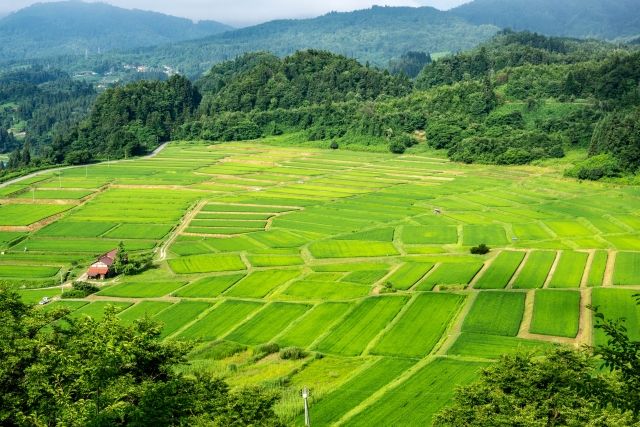
Yamagata knows heat better than almost anywhere in Japan. Yamagata City recorded 40.8°C (105.4°F) back in 1933 and held the title of Japan’s hottest temperature ever for an astonishing 74 years, until 2007. The record has since moved on, most recently tied at 41.1°C (106°F) this very month, but the culture that heat built remains: Yamagata is also the birthplace of hiyashi ramen (chilled ramen, invented 1952) and cold meat soba. Mizukake gohan is not an oddity. It is what a century of surviving Japanese summers tastes like.
So tonight, if your kitchen feels like a furnace: rinse, pour, add one umeboshi, and eat like a Heian aristocrat. The heatwave does not stand a chance against 1,000 years of practice.
FAQ

Q: What is mizukake gohan?
A: A traditional Japanese summer dish, mainly from Yamagata Prefecture (where it is called mizu mama), of cooked rice rinsed of starch and served in chilled water, eaten alongside salty accompaniments like pickles, salted salmon, or umeboshi.
Q: Why do you rinse the rice first?
A: Rinsing strips the surface starch so the rice stays loose and refreshing instead of gluey. Historically the rinse also freshened leftover rice in the summer heat, making the dish both cooling and thrifty.
Q: Is it the same as ochazuke?
A: They are cousins. Ochazuke uses hot tea or dashi poured over rice; mizukake gohan uses plain cold water and relies on salty sides for flavor, making it the lighter, colder summer sibling.
Q: Can I make mizukake gohan in the US?
A: Easily. Use any short-grain rice (Calrose works), rinse until the water runs clear off the grains, add ice-cold water, and pick up pickles, umeboshi, or salted salmon from a Japanese supermarket. Total time: about two minutes.
Japan Now! is our daily series bringing you the trends, news, and cultural moments happening in Japan right now. For anyone curious about Japan, check back every day to stay in the know. You never know when it might come in handy on your next trip!
Related Articles
Japan Now! A “Once in a Decade” Heatwave Is Coming(7/2)
https://japanupmagazine.com/archives/21871
Japan Now! Hot Water Is Now BANNED. Japan’s First Cold-Water Cup Noodle Is Here(7/24)
https://japanupmagazine.com/archives/22136
Wikipedia
https://en.wikipedia.org/wiki/Yamagata_Prefecture
Share This Article
Related Articles
Pick Up
- Torikizoku’s second location in Anaheim Takeout yaki...
- LA Dassai Experience: Japan and USA’s Finest S...
- Daikokuya El Monte Celebrates 10th Anniversary! ...
- A popular spot for authentic tempura rice bowls and ...
- Honda-ya Charity Event Celebrates Kappo Honda’...
-

- Pho-Inspired Asian Spicy Ramen Returns for a Limited...
- Half-Price Hakata Ramen: Shin-Sen-Gumi Rosemead̵...
- Zespri Kiwifruit: A Sweet, Vitamin-C Boost for Fall
- Celebrate 10 Years!! Daikokuya El Monte Launches Ann...
- Onigiri Sun DTLA Location Now Open
- See more Fun Facts articles >




Latest Articles
- Free Medicare Seminars, Learn the Besics and Review...
- Capture Special Memories at Kimono no Kobeya ...
- Check Out JINS 360°! New Store Now Open!
- Discover JINS’ Revolutionary Multi-Directional Movem...
- 2027 Coming-of-Age Ceremony presented by Nadeshiko-k...
-

- Kappo Honda 30th Anniversary Charity Event
- JapanUp! 228 – October 2026
- Quiz – October 2026
- Chiikawa comes to Channel Oishii with 20 curated foo...
- Kanagawa: The Many Faces of Japan, All in One Place
- See all articles >