The Ultimate Spa Food Traveling to a traditional Japanese hot spring (Onsen) resort isn’t just about relaxing in the mineral-rich water; it is also about the food. And the most famous, iconic snack you can eat at a volcanic resort is an “Onsen Tamago” (Hot Spring Egg). Cooking in the Earth An Onsen Tamago isn’t cooked on a stove. Locals literally place baskets of raw eggs directly into the natural, steaming geothermal pools of the hot springs, allowing the warm volcanic water to slow-cook them to perfection. The Scientific Miracle The result is a culinary and scientific miracle. Because egg…
View More What Is a “Hot Spring Egg”? (The Geothermal Magic of “Onsen Tamago”)Author: japanup_akane
Why Is Japanese Pizza Covered in Mayonnaise? (The “Wafu” Italian Revolution)
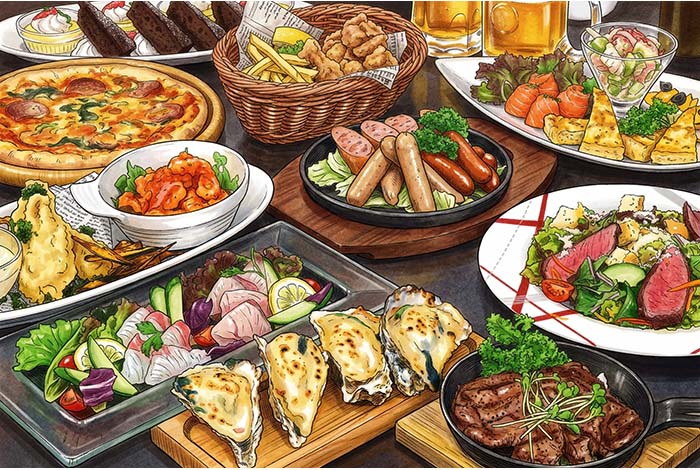
The Italian Obsession Japan loves Italian food. There are thousands of Italian restaurants and cheap, wildly popular family restaurant chains (like Saizeriya) across the country. But Japanese chefs didn’t just copy traditional recipes from Rome; they completely evolved them to fit local tastes. The “Wafu” Pasta This is the birth of “Wafu” (Japanese-style) Italian. Instead of just tomato and basil, Japanese chefs started tossing spaghetti with soy sauce, butter, and uniquely Japanese ingredients. Today, pasta topped with spicy “Mentaiko” (cod roe), raw squid, Shiso leaves, or sour Umeboshi (pickled plum) are massive national staples. The Wild Pizza Toppings But the…
View More Why Is Japanese Pizza Covered in Mayonnaise? (The “Wafu” Italian Revolution)Why Do All Japanese Baseball Stadiums Face the Same Direction? (The Architectural Secret)
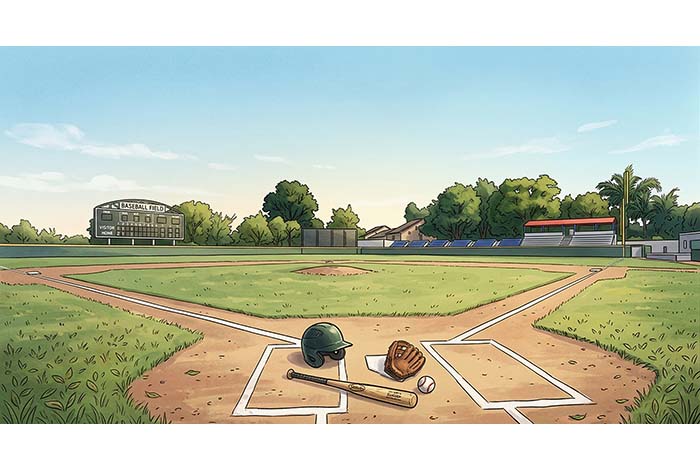
The Universal Diamond Baseball is massively popular in both the US and Japan. But whether you are watching the Hanshin Tigers in Osaka or the Yomiuri Giants in Tokyo, there is a hidden architectural secret built into almost every single professional stadium in the country. The Compass Rule If you look at a map from above, you will notice that almost all Japanese baseball stadiums face the exact same direction. The line drawn from home plate through second base and out to center field almost always points towards the East or Northeast. The Blinding Sun Why are they all aligned…
View More Why Do All Japanese Baseball Stadiums Face the Same Direction? (The Architectural Secret)Why Are Japanese Police Cars Black and White? (The American Military Connection)
The Classic Cruiser If you live in Los Angeles, you are very familiar with the classic black-and-white LAPD police cruisers. Interestingly, when you travel to Japan, you will notice that their police cars (“Patoka”) share the exact same two-tone color scheme. Is this just a coincidence? The 1949 Origin It is actually a direct piece of shared history! Japan’s very first police cars were introduced in 1949. Because Japan was still recovering from the war, the police received open-top vehicles directly from the US military. They decided to paint them black and white to match the American standard. The Visibility…
View More Why Are Japanese Police Cars Black and White? (The American Military Connection)Only $9.99 for a limited time! | Onodera Ramen
Now just $9.99! Onodera Ramen Ever catch that rich, savory ramen aroma while shopping at Tokyo Central (PCH or Yorba Linda) and suddenly feel hungry? Get authentic ramen right in the food court!Onodera Ramen is running a limited-time special — only $9.99!Craving real ramen? 🍜 Deep umami flavor from a bold soy sauce base and delicate Kyoto-style dashi. 🍖 The thick, juicy chashu is a big hit with customers. Perfect for a quick lunch, or dinner with the whole family.Stop by Onodera Ramen during your shopping trip and give it a try! Onodera Ramen 📍 Tokyo Central (Torrance PCH) Insta:@onoderaramen.torrance…
View More Only $9.99 for a limited time! | Onodera RamenThe Big Three: Can You Name Japan’s Top 3 Regional Ramens? (A Noodle Masterclass)
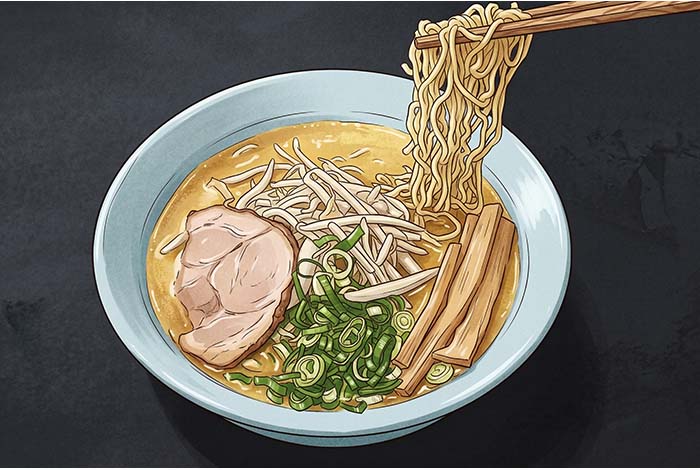
Beyond the Basic Bowl For many Americans, “Ramen” just means whatever flavor is served at the local shop. But in Japan, ramen is a deeply regional religion. Every prefecture fights over who has the best bowl. Out of thousands of variations, three legendary styles are officially crowned as “Japan’s Top 3 Regional Ramens.” Sapporo Ramen (Hokkaido) The king of the snowy north is “Sapporo Ramen.” It is the undisputed champion of Miso flavor. To survive Hokkaido’s freezing winters, chefs use medium-thick, curly noodles topped with stir-fried vegetables (like bean sprouts). Crucially, they cover the soup with a thin layer of…
View More The Big Three: Can You Name Japan’s Top 3 Regional Ramens? (A Noodle Masterclass)Why Do Japanese Schoolgirls Wear Sailor Outfits? (The British Navy Connection)
The Anime Icon If you have ever watched a Japanese anime or read a manga, you instantly recognize the “Sailor Fuku” (Sailor Uniform). The iconic pleated skirt, large collar, and ribbon are the undisputed global symbols of Japanese youth and school life. A Military Origin But why are high school girls dressed like sailors? The surprising truth is that this cute, pop-culture fashion icon actually originated as a hardcore military uniform worn by the British Royal Navy in the 19th century! The Meiji Modernization During the Meiji and Taisho eras (late 1800s to early 1900s), Japan was rapidly Westernizing and…
View More Why Do Japanese Schoolgirls Wear Sailor Outfits? (The British Navy Connection)Why Can’t You Find a “Teriyaki” Restaurant in Japan? (The Sweet Soy Secret)
The SoCal Fast Food Staple If you drive down almost any major street in Southern California, you will easily spot a Teriyaki restaurant. Massive chains and local mom-and-pop shops selling quick, delicious chicken teriyaki bowls over rice are an absolute staple of the American fast-food diet. The Missing Shops Naturally, many foreign tourists arriving in Tokyo expect to find authentic, dedicated Teriyaki specialty shops on every corner. But if you search for one on Google Maps in Japan, you will be shocked: they essentially do not exist! The Reality of Home Cooking Why is there no Teriyaki fast food? Because…
View More Why Can’t You Find a “Teriyaki” Restaurant in Japan? (The Sweet Soy Secret)Who Was the First Woman to Conquer Mount Everest? (The Legend of Junko Tabei)
The Ultimate Peak Mount Everest is the ultimate test of human endurance. For decades, the summit was an exclusive club for male mountaineers. But in 1975, a 35-year-old Japanese woman named Junko Tabei shattered the ice ceiling and made global history. Defying the 1970s Stereotypes Tabei’s journey wasn’t just a physical battle against freezing temperatures; it was a cultural battle. In 1970s Japan, society firmly believed that a woman’s place was strictly in the home, raising children and serving tea. Finding sponsors for an all-female Himalayan expedition was nearly impossible. The Historic Ascent Despite the intense sexism and lack of…
View More Who Was the First Woman to Conquer Mount Everest? (The Legend of Junko Tabei)Affordable and stress-free driving in Northern California!
Planning a move to San Francisco or Silicon Valley? Check this out! New to San Francisco or Silicon Valley? Get started with EcoDrive—car leasing made easy, no SSN or English needed!” 1.You can complete everything online, even from Japan. 2.We support both personal and business leases.” Hurry! Limited-time offer until the end of March. Special coupon just for Weekly LALALA readers! For more info, scan the QR code!
View More Affordable and stress-free driving in Northern California!Founded in 1885 A popular ramen restaurant by the Saizaraku Dining Group |Hinodeya Ramen
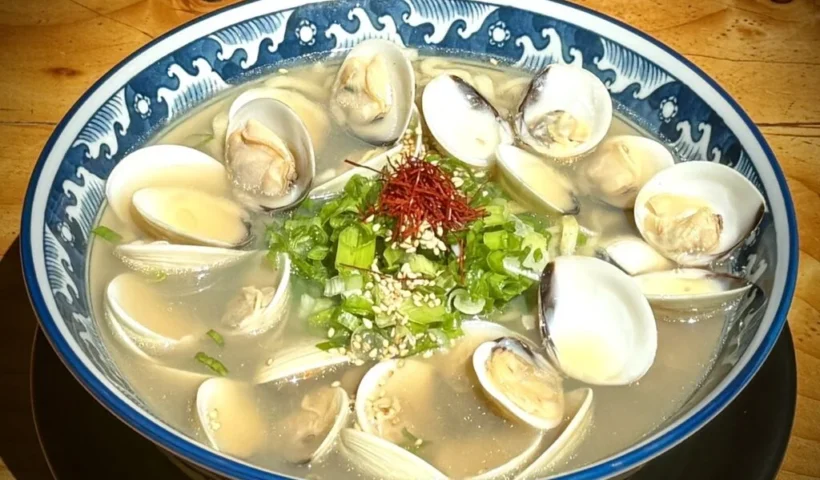
The must-try bowl at Hinodeya Ramen! the signature dish is the ‘Hamaguri Ramen’ featuring a rich, flavorful broth loaded with clams. A light yet full-bodied broth, infused with garlic and the rich umami of clams. Packed with meaty clams that go perfectly with the broth—just $20! When at Hinodeya, be sure to try this popular bowl. It’s a fan favorite! Hinodeya Ramen Palms 11127 Palms Blvd, Los Angeles, CA 90034310-889-6282 Hinodeya Ramen Little Tokyo 232 East 2nd Street Suite B, Los Angeles, CA 90012
View More Founded in 1885 A popular ramen restaurant by the Saizaraku Dining Group |Hinodeya RamenWhy Do Japanese People Love Black Cats? (The “Fuku Neko” Superstition)
The Halloween Spook In the US and Europe, black cats often get a bad rap. Especially around Halloween, they’re portrayed as spooky creatures bringing bad luck. This superstition dates back to the Middle Ages, when black cats were sadly believed to be witches’ evil companions. The Japanese “Fuku Neko” Cross the Pacific to Japan, and the story flips completely. Historically, Japanese people have adored black cats! Rather than being unlucky, they are celebrated as Fuku Neko (Lucky Cats)—powerful charms that ward off evil and bring good fortune. Business Prosperity During the Edo period, black cats were especially popular among merchants.…
View More Why Do Japanese People Love Black Cats? (The “Fuku Neko” Superstition)