Share This Article



The Currency of Elementary School
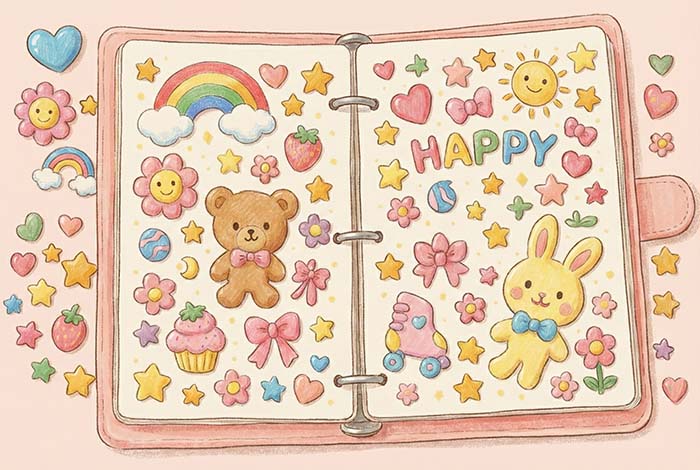
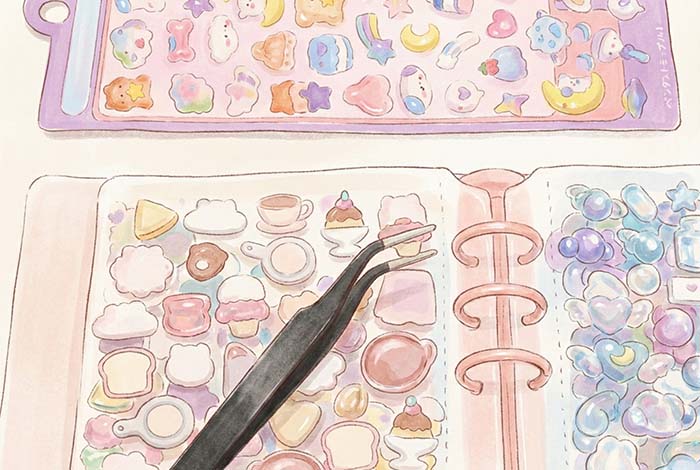
If you look into a Japanese elementary schooler’s backpack, you will find a thick, glittering book. This is a “Seal-cho” (Sticker Book). Recently, collecting and trading stickers has become a massive boom among kids again. In the playground, stickers are more valuable than money.
The Shiny Rules
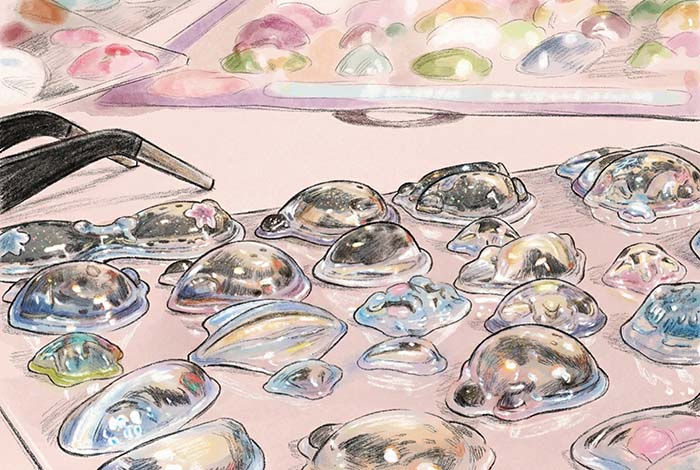
The pages of the book are made of special slippery paper, so kids can stick and peel off stickers many times. The trading rules are strict. “One puffy sticker = Two flat stickers.” “One glittery sticker = Three normal stickers.” Kids learn basic economics and negotiation skills through these tiny adhesive pictures.
The “Ga-cha” Influence
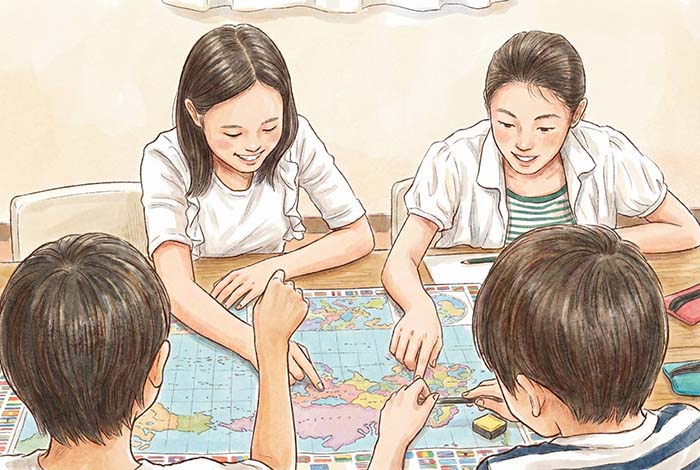
Why now? The boom is fueled by cheap and cute stickers available at 100-yen shops and Capsule Toys (Gachapon). For just 100 yen, a kid can get a sheet of 50 stickers. It is an affordable luxury. Also, retro designs from the 90s are back, making moms join in the fun with their daughters.
Friendship Proof
Exchanging stickers is a social ritual. Giving a “Rare Sticker” to a friend is the ultimate sign of friendship. Sometimes, they even exchange “Profile Sheets” decorated with stickers to introduce their hobbies. It is the analog version of adding a friend on social media.
A Looped Trend
Interestingly, this trend happens every 20 to 30 years. The moms of today’s kids did the exact same thing in the 1990s. Now, they are buying stickers for their kids and secretly collecting some for themselves. The “Seal-cho” is a timeless treasure box of Japanese “Kawaii” culture.
The Serious Side of School Life (Related Articles)
Trading stickers is fun, but Japanese school life is also about discipline and independence. You will be shocked by how mature these little kids are.
1. The Solo Commute Japanese first-graders (6 years old) walk to school completely alone. There are no parents and no yellow school buses. They wear “Yellow Hats” and carry expensive leather backpacks called “Randoseru”.
👉 Is it safe? Check out: “Why Are 6-Year-Olds Walking Alone?”
2. The Cleaning Time They play with stickers during break, but after lunch, they grab a rag. Students clean their own classrooms, hallways, and even toilets. It is called “O-Soji” (Cleaning Time) to teach responsibility.
👉 Where are the janitors? Check out: “Why Do Japanese Kids Clean Their Own School? (The ‘O-Soji’ Culture)”
.
.
Share This Article
Related Articles
Pick Up
- Japan Now! Doraemon Is Taking a Steam Train to Victo...
- Japan Now! Japan Answered. The Monster Falls, and th...
- Japan Now! The Final Four Is Set. Ariake’s Mir...
- Japan Now! The Spear Won. Chiben Wakayama Takes Kosh...
- Japan Now! Whole Torched Purin on a Crepe. Ise’...
-

- Japan Now! She Said Yes. Olympic Champions Riku Miur...
- Japan Now! 7,000 Stranded at Narita as Record Rain S...
- Japan Now! It’s Rice Day in Japan, So Dragon Q...
- Pokemon Worlds Takes Over San Francisco, and We Got ...
- Japan Now! 156 km/h. Bases Loaded. No Outs. Koshien&...
- See more Fun Facts articles >







Latest Articles
- Free Medicare Seminars, Learn the Besics and Review...
- Den’s Tea ...
- Capture Special Memories at Kimono no Kobeya ...
- Recommended for Those on a Diet! Healthy Noodles
- Savor Seasonal Specials at TAKAGI COFFEE!
-

- Daikokuya El Monte Celebrates 10th Anniversary! ...
- Check Out JINS 360°! New Store Now Open!
- Pho-Inspired Asian Spicy Ramen Returns for a Limited...
- Discover JINS’ Revolutionary Multi-Directional Movem...
- Celebrate 10 Years!! Daikokuya El Monte Launches Ann...
- See all articles >