Share This Article



Last updated: July 9, 2026
The American Mansion vs. The Tokyo Micro-Home
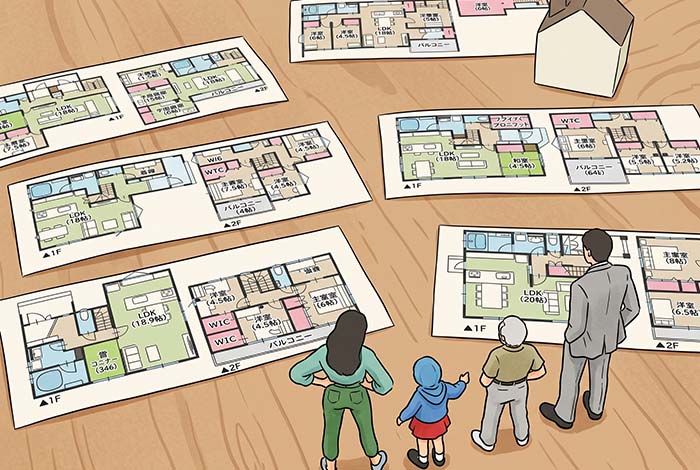
Japanese house design is a masterclass in space: a home of just 92 square meters (about 990 sq ft) can comfortably hold four or five separate rooms.
In the United States, luxury is defined by square footage. An ideal American home features a massive, open-concept living room, giant walk-in closets, and sweeping hallways. However, Japan is a small, mountainous island nation with an incredibly dense population. Space is the ultimate premium, meaning Japanese houses and apartments are notoriously compact. Yet, if you step inside a modern Japanese home, you won’t feel claustrophobic. Miraculously, despite the tiny footprint, Japanese homes often feature more functional rooms, hidden storage, and usability than a sprawling California house. How do they do it?
The Magic of “Hikido” (Sliding Doors)
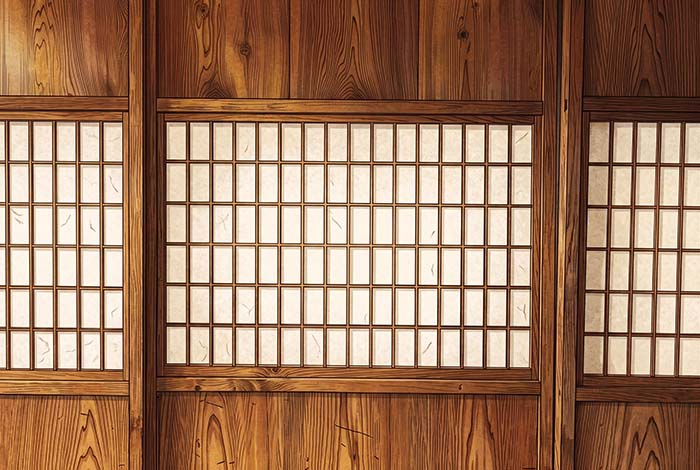
The biggest secret to Japanese interior design is the absolute rejection of the traditional swinging door. Swinging doors require a large, empty radius of “dead space” just to open and close. Instead, Japanese homes heavily utilize “Hikido” (sliding doors) and “Shoji” (sliding paper screens). This creates a brilliantly flexible architecture. During the day, you can slide all the doors open, merging the kitchen, dining, and living areas into one large, breathable space. At night, you simply slide the doors shut to instantly create multiple private bedrooms. The walls themselves are transformable, allowing the house to constantly adapt to the family’s needs.
👉 Want to read more about Japanese demographics and society?
Read Next: Why Is the Japanese Toilet Always in Its Own Lonely Room? (The Wet Room Masterpiece)
Masters of Hidden Storage
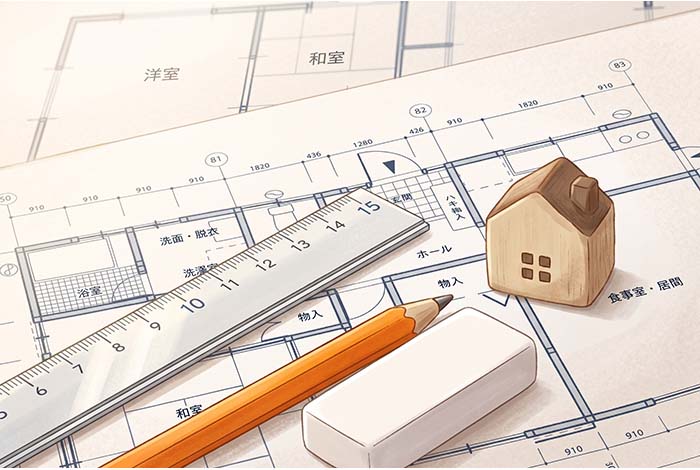
Because they don’t have massive American-style basements or attics, Japanese designers have become the world’s undisputed masters of hidden storage. They utilize every single millimeter of vertical space. Traditional closets (Oshiire) are built incredibly deep so that thick sleeping futons can be folded and hidden away during the day, turning a bedroom into a multi-purpose room. The kitchen and bathroom floors often have secret, built-in compartments (Yuka-shita Shuno) to hide emergency food and cleaning supplies. In Japan, a small house isn’t a limitation; it is an incredibly efficient, perfectly engineered puzzle box!
Japanese House Design FAQ
Why are Japanese houses so space-efficient?
Japanese house design evolved in a country where land is limited and expensive. Features like sliding doors, multi-purpose rooms, and built-in storage let a small footprint serve many functions without wasted space.
What are the sliding doors in Japanese homes called?
Interior sliding doors are called fusuma, and paper-covered ones that let light through are called shoji. Because they slide rather than swing, they save the floor space a hinged door would need and let rooms be opened up or divided.
How can a small Japanese home have so many rooms?
Rooms in traditional Japanese design are flexible. A single tatami room can be a living room by day and a bedroom by night when a futon is laid out, so one space quietly does the job of several.
What is a Japanese tatami room used for?
A tatami room (washitsu) is a multi-purpose space. It can host guests, serve meals at a low table, or become a bedroom, making it one of the most versatile parts of a Japanese home.
▼ Read Next:
🔗 Why Do Japanese Buildings Have Walls of Wooden Lockers? (The “Getabako” Rule)
.
.
Share This Article
Related Articles
Pick Up
- Japan Now! The Spear Won. Chiben Wakayama Takes Kosh...
- Japan Now! It’s Rice Day in Japan, So Dragon Q...
- Japan Now! She Said Yes. Olympic Champions Riku Miur...
- Japan Now! The Final Four Is Set. Ariake’s Mir...
- Japan Now! 156 km/h. Bases Loaded. No Outs. Koshien&...
-

- Japan Now! Doraemon Is Taking a Steam Train to Victo...
- Pokemon Worlds Takes Over San Francisco, and We Got ...
- Japan Now! Whole Torched Purin on a Crepe. Ise’...
- Japan Now! 7,000 Stranded at Narita as Record Rain S...
- Japan Now! Japan Answered. The Monster Falls, and th...
- See more Fun Facts articles >










Latest Articles
- Looking for a Car? Visit South Bay Toyoya! Reliable...
- WA Dining Suya Enjoy the Flavors of Fall with Limit...
- Free Medicare Seminars, Learn the Besics and Review...
- Den’s Tea ...
- Capture Special Memories at Kimono no Kobeya ...
-

- Recommended for Those on a Diet! Healthy Noodles
- Savor Seasonal Specials at TAKAGI COFFEE!
- Daikokuya El Monte Celebrates 10th Anniversary! ...
- Check Out JINS 360°! New Store Now Open!
- Pho-Inspired Asian Spicy Ramen Returns for a Limited...
- See all articles >