Share This Article



The Invisible Ladder of Society
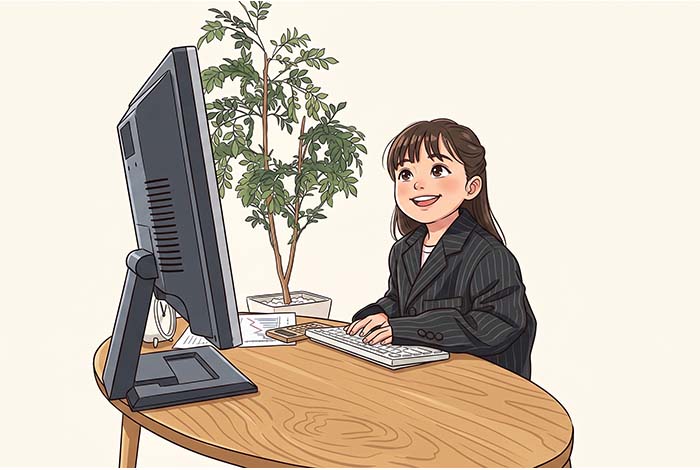
In American corporate culture, the goal is often a “flat” hierarchy. New hires are encouraged to call the CEO by their first name, and everyone acts like casual peers. But if you step into a Japanese company or school, you are entering a “Tate Shakai” (Vertical Society). Every single human relationship is defined by a strict, invisible ladder of seniority, categorized into two vital roles: the “Senpai” (Senior) and the “Kohai” (Junior). This dynamic dictates exactly how you speak, where you sit in a room, and how deeply you bow. It is the absolute backbone of Japanese social structure, ensuring order and respect in every interaction.
Age vs. Entry Date
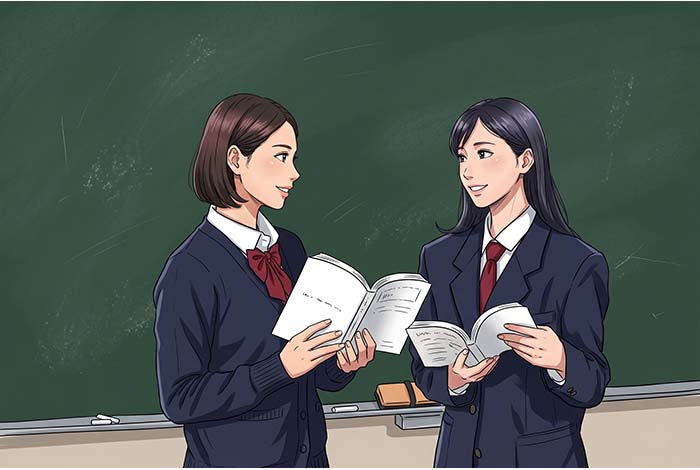
This intense hierarchy doesn’t start at the office; it is drilled into Japanese youth starting in junior high school sports clubs (Bukatsu). A first-year student (Kohai) must use perfectly polite “Keigo” (honorific language) when speaking to a second-year student (Senpai), even if they are only a few months apart in age. Furthermore, in the Japanese corporate world, seniority is strictly based on the exact date you entered the company, not your actual age. A 25-year-old who joined the company in 2020 is officially the “Senpai” to a 30-year-old who joined in 2021! The older employee must swallow their pride and treat the younger employee with the respect owed to a senior.
👉 Want to read more about Japanese demographics and society?
Read Next: The Invisible Japanese Seating Chart: What Are “Kamiza” and “Shimoza”?
The Generous Burden of the Senpai
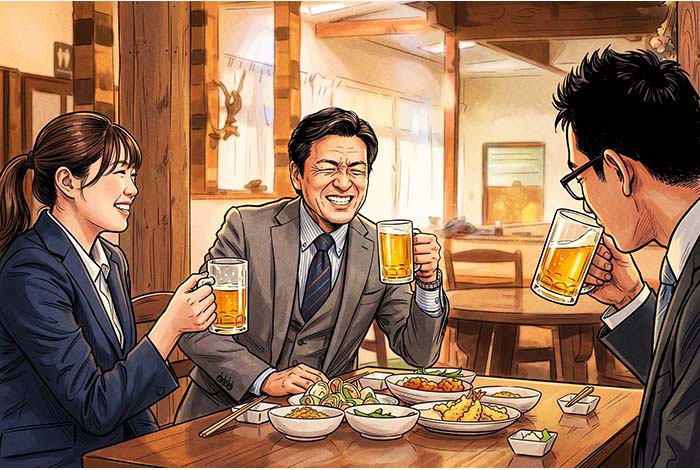
To a foreigner, this might sound exhausting and overly bossy, but it is actually a beautiful, two-way street of mutual reliance. Being a Senpai isn’t just about giving orders; it comes with a massive, unspoken obligation to protect and mentor. If a Kohai makes a mistake at work, the Senpai takes the blame and apologizes to the boss. And most importantly, when they go out for drinks or dinner after work, the Senpai is almost always expected to pay the entire bill (Ogori)! It is a deeply ingrained, familial culture: strict respect and loyalty flow upward, while generous care, guidance, and free drinks flow downward.
▼ Read Next:
🔗 Why Does Japanese Have Three Different Levels of Politeness? (The Magic of “Keigo”)
.
.
Share This Article
Related Articles
Pick Up
- Japan Now! The Spear Won. Chiben Wakayama Takes Kosh...
- Japan Now! It’s Rice Day in Japan, So Dragon Q...
- Japan Now! Japan Answered. The Monster Falls, and th...
- Japan Now! The Final Four Is Set. Ariake’s Mir...
- Japan Now! Doraemon Is Taking a Steam Train to Victo...
-

- Japan Now! Whole Torched Purin on a Crepe. Ise’...
- Japan Now! She Said Yes. Olympic Champions Riku Miur...
- Pokemon Worlds Takes Over San Francisco, and We Got ...
- Japan Now! 156 km/h. Bases Loaded. No Outs. Koshien&...
- Japan Now! 7,000 Stranded at Narita as Record Rain S...
- See more Fun Facts articles >








Latest Articles
- WA Dining Suya Enjoy the Flavors of Fall with Limit...
- Free Medicare Seminars, Learn the Besics and Review...
- Den’s Tea ...
- Capture Special Memories at Kimono no Kobeya ...
- Recommended for Those on a Diet! Healthy Noodles
-

- Savor Seasonal Specials at TAKAGI COFFEE!
- Daikokuya El Monte Celebrates 10th Anniversary! ...
- Check Out JINS 360°! New Store Now Open!
- Pho-Inspired Asian Spicy Ramen Returns for a Limited...
- Discover JINS’ Revolutionary Multi-Directional Movem...
- See all articles >