Share This Article



The Forbidden Direction
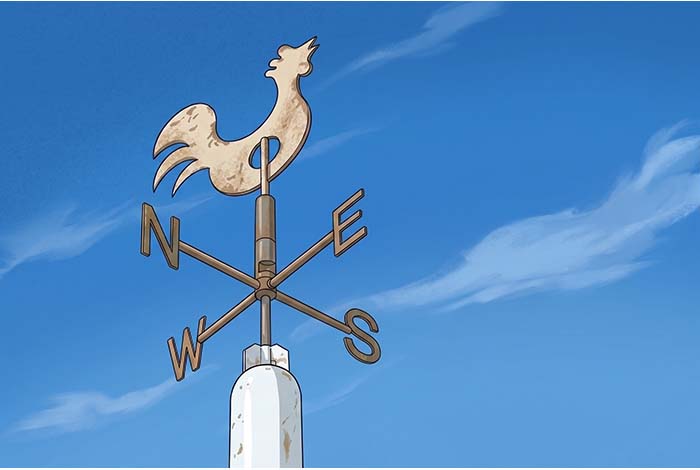
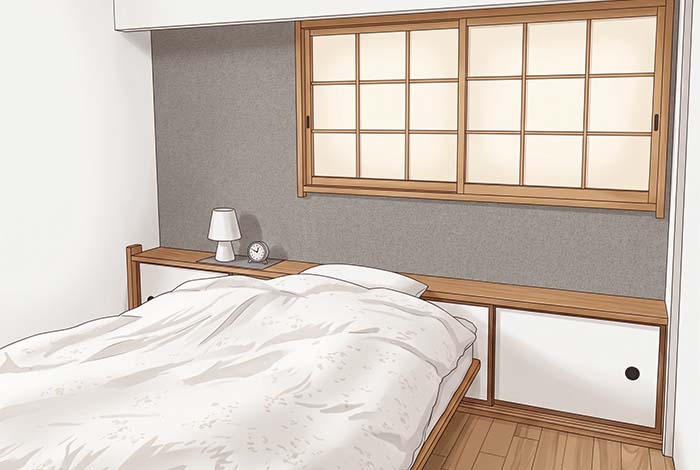
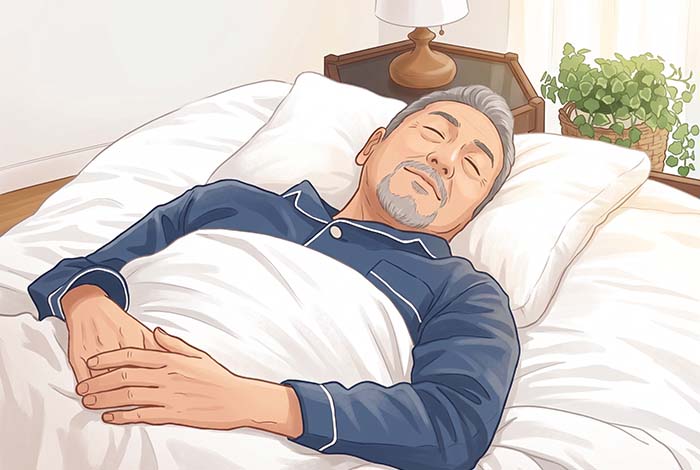
When rearranging the bedroom furniture in a Los Angeles home, you generally base your layout on aesthetics or logic. You place the bed against the main wall, ensure you can see the TV clearly, or align it with a window to enjoy the morning sun. But if you are setting up a bedroom in Japan, there is one absolute, non-negotiable rule that you must follow: never place your pillow facing the north. This taboo, known as “Kita-makura” (North Pillow), is so deeply ingrained in Japanese society that even modern, non-religious people will completely refuse to sleep in a bed that points toward the north.
The Funeral Connection
Why is the north direction treated with such fear in the bedroom? The answer traces directly back to the history of Buddhism and the death of Gautama Buddha over 2,500 years ago. According to Buddhist scripture, when the Buddha passed away and entered Nirvana, his disciples laid his body down with his head pointing strictly toward the north and his face looking west. Because of this historic holy event, Japanese Buddhist funeral traditions dictate that when a person dies, their body must be laid out in the “Kita-makura” position before cremation. Therefore, to a Japanese person, sleeping with your head to the north is an ominous reminder of a corpse at a funeral!
👉 Want to read more about Japanese demographics and society?
Read Next:Why Do Japanese Kids Hide Their Belly Buttons During a Thunderstorm? (The “Raijin” Myth)
The Scientific Irony
Because of this funeral association, sleeping in a Kita-makura position is believed to invite bad luck, illness, or even an early death. However, there is a fascinating, modern scientific twist to this ancient taboo. Some health and sleep experts actually argue that sleeping facing north is the best possible position for the human body! Because the earth has a natural magnetic field flowing from north to south, aligning your body parallel to these magnetic lines is believed to drastically improve blood circulation, lower blood pressure, and lead to a much deeper, more refreshing sleep. Despite this scientific health benefit, the cultural taboo remains incredibly powerful, proving that in Japan, spiritual tradition always triumphs over magnetism!
▼ Read Next:
.
.
Share This Article
Related Articles
Pick Up
- Japan Now! Doraemon Is Taking a Steam Train to Victo...
- Japan Now! Whole Torched Purin on a Crepe. Ise’...
- Pokemon Worlds Takes Over San Francisco, and We Got ...
- Japan Now! The Final Four Is Set. Ariake’s Mir...
- Japan Now! The Spear Won. Chiben Wakayama Takes Kosh...
-

- Japan Now! It’s Rice Day in Japan, So Dragon Q...
- Japan Now! 7,000 Stranded at Narita as Record Rain S...
- Japan Now! 156 km/h. Bases Loaded. No Outs. Koshien&...
- Japan Now! Japan Answered. The Monster Falls, and th...
- Japan Now! She Said Yes. Olympic Champions Riku Miur...
- See more Fun Facts articles >









Latest Articles
- Free Medicare Seminars, Learn the Besics and Review...
- Den’s Tea ...
- Capture Special Memories at Kimono no Kobeya ...
- Recommended for Those on a Diet! Healthy Noodles
- Savor Seasonal Specials at TAKAGI COFFEE!
-

- Daikokuya El Monte Celebrates 10th Anniversary! ...
- Check Out JINS 360°! New Store Now Open!
- Pho-Inspired Asian Spicy Ramen Returns for a Limited...
- Discover JINS’ Revolutionary Multi-Directional Movem...
- Celebrate 10 Years!! Daikokuya El Monte Launches Ann...
- See all articles >