Share This Article



The Vintage House Divide
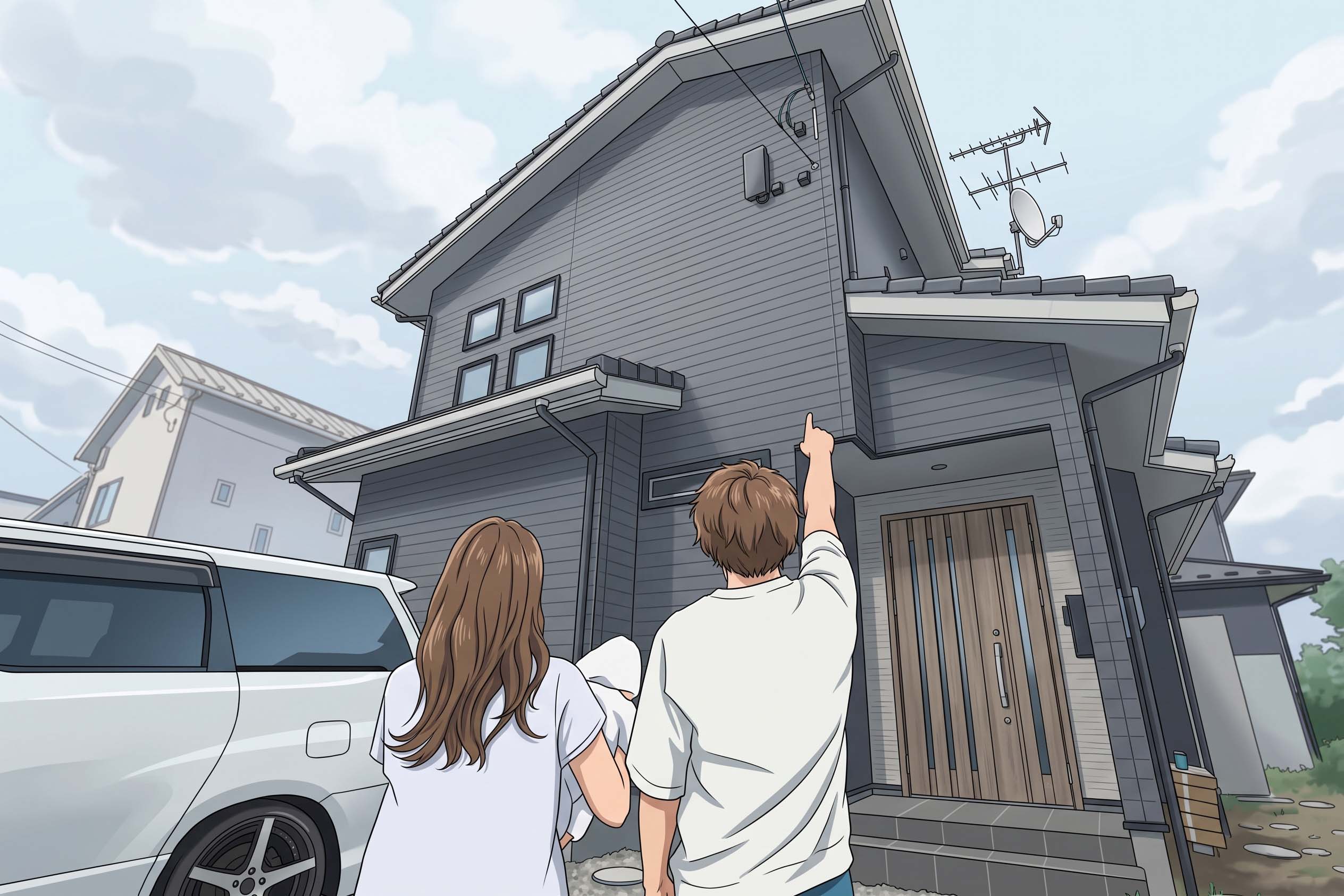
If you drive through historic neighborhoods in Los Angeles, like Pasadena or Angelino Heights, you will see gorgeous, 100-year-old Craftsman and Victorian homes. In the US and Europe, a house is considered an appreciating asset. If it is old, well-maintained, and has “vintage charm,” it can sell for millions of dollars. But if you take that exact same real estate logic to Japan, it completely falls apart. In the Japanese housing market, an old house is almost completely worthless. The moment a family turns the key and moves into a brand-new home, the building’s value begins to plummet. After just 25 to 30 years, the physical structure of the house is considered to have absolutely zero economic value. Only the land it sits on retains any worth!
Earthquakes, Humidity, and Wooden Frames
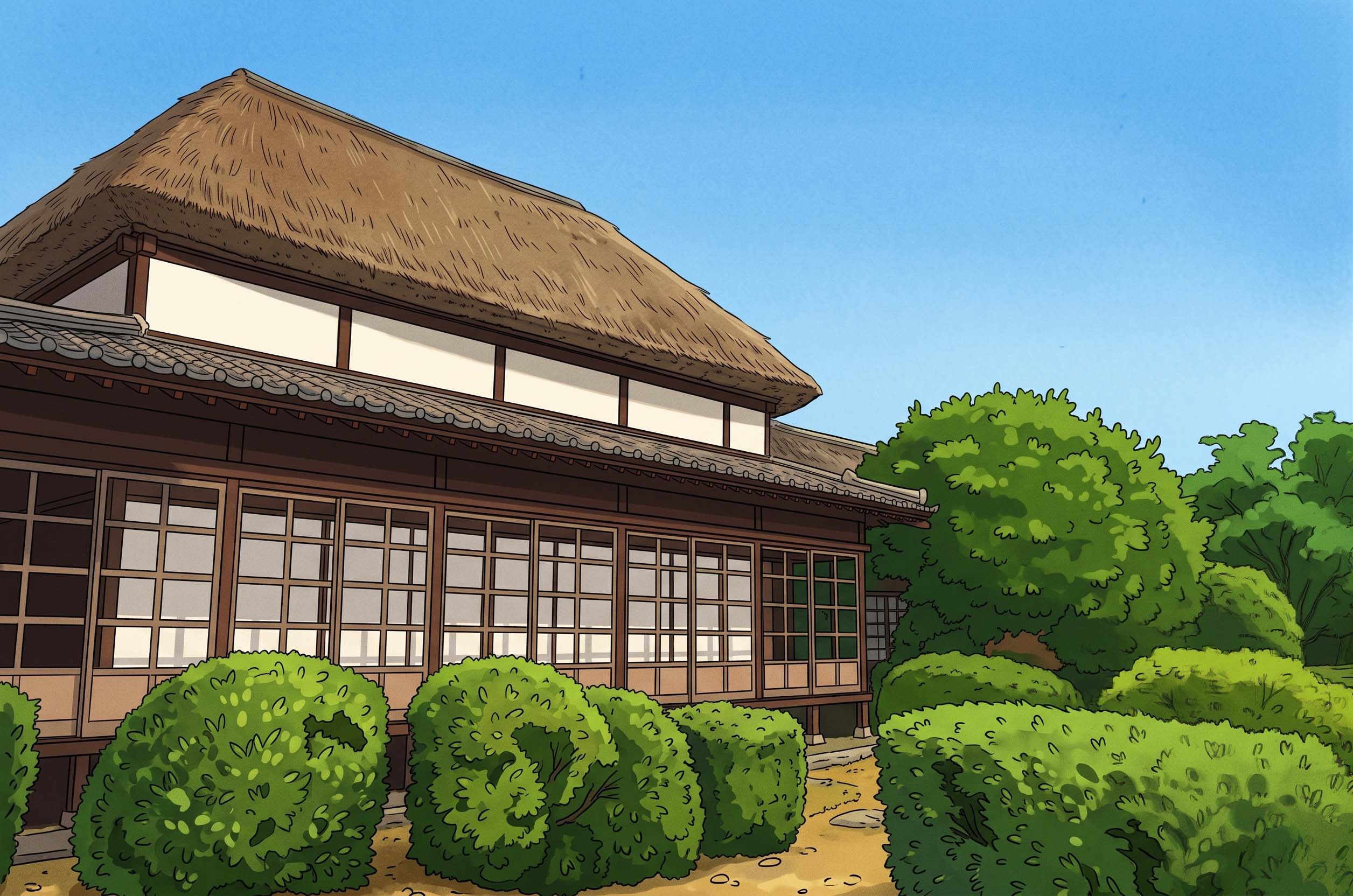
Why is there such a drastic difference? The answer is a terrifying combination of nature and materials. Japan is plagued by constant, massive earthquakes, brutal typhoons, and extremely hot, humid summers that breed mold and termites. Traditional Japanese residential houses are primarily built out of wood, which is intentionally designed to be flexible to survive minor tremors, but it simply degrades quickly under the harsh climate. More importantly, the Japanese government constantly updates its strict national earthquake safety standards (the building codes). A house built 40 years ago simply cannot meet today’s cutting-edge safety requirements, making an older home a literal structural liability.
👉 Want to read more about Japanese demographics and society?
Read Next: Why Must You Take Off Your Shoes Before Entering a House?
The Scrap-and-Build Culture
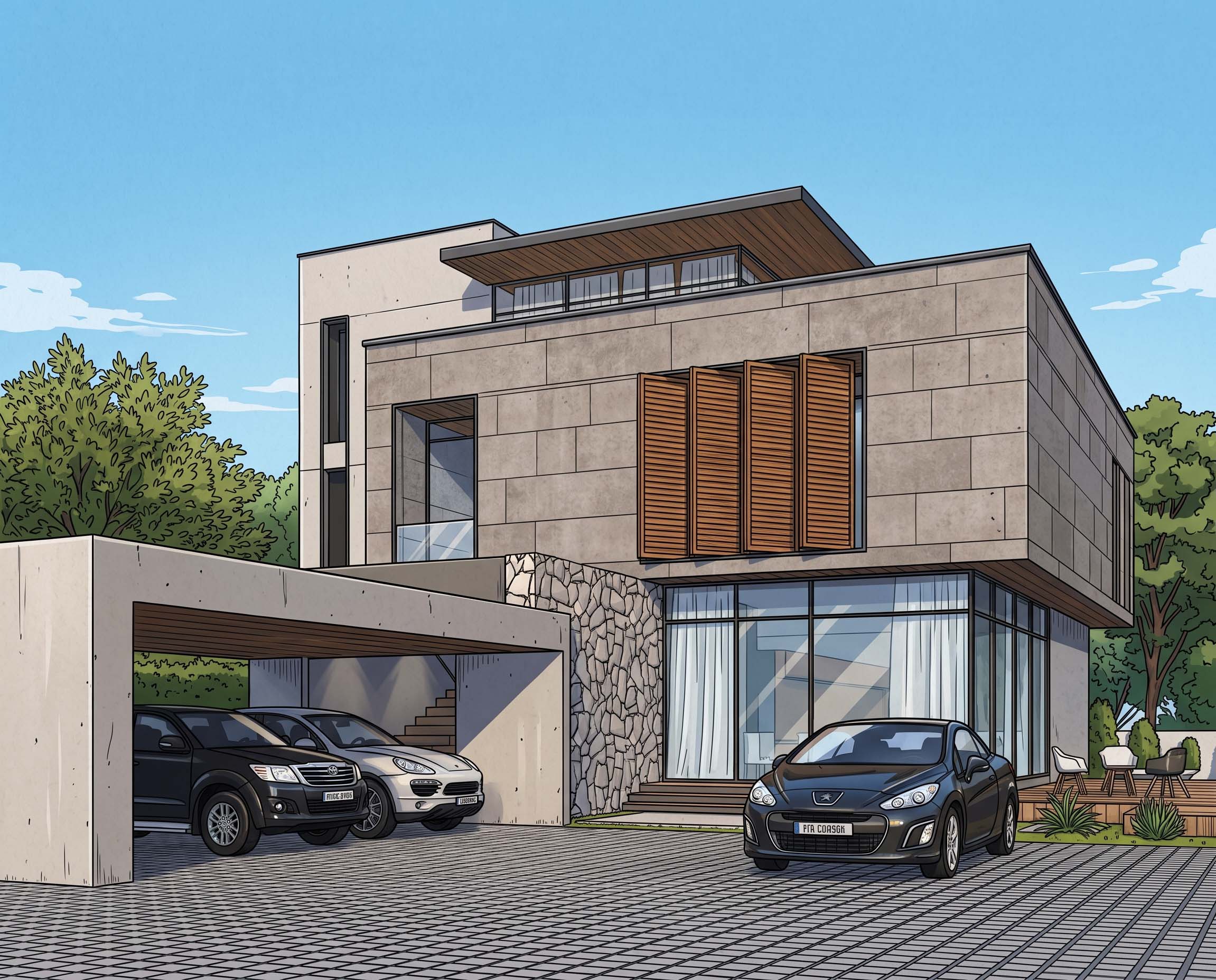
Because an old house is considered outdated and unsafe, Japan has developed a ruthless “Scrap-and-Build” culture. When someone buys an old property, they almost never remodel it like an American house-flipper. Instead, they completely demolish the 30-year-old house with bulldozers and build a brand-new, ultra-modern, energy-efficient smart home from scratch. For Japanese consumers, a house is treated more like a car or a smartphone—you want the absolute newest model with the latest high-tech talking bathtubs and earthquake-absorbing foundations. While it breaks the hearts of Western lovers of vintage architecture, this cycle is how Japan manages to constantly modernize and keep its citizens safe from natural disasters.
▼ Read Next:
🔗 Where Do Anime Characters Eat Their Watermelon? (The “Engawa” Chill Zone)
.
.
Share This Article
Related Articles
Pick Up
- Japan Now! The Final Four Is Set. Ariake’s Mir...
- Pokemon Worlds Takes Over San Francisco, and We Got ...
- Japan Now! 7,000 Stranded at Narita as Record Rain S...
- Japan Now! It’s Rice Day in Japan, So Dragon Q...
- Japan Now! 156 km/h. Bases Loaded. No Outs. Koshien&...
-

- Japan Now! Whole Torched Purin on a Crepe. Ise’...
- Japan Now! Japan Answered. The Monster Falls, and th...
- Japan Now! The Spear Won. Chiben Wakayama Takes Kosh...
- Japan Now! Doraemon Is Taking a Steam Train to Victo...
- Japan Now! She Said Yes. Olympic Champions Riku Miur...
- See more Fun Facts articles >










Latest Articles
- Looking for a Car? Visit South Bay Toyoya! Reliable...
- WA Dining Suya Enjoy the Flavors of Fall with Limit...
- Free Medicare Seminars, Learn the Besics and Review...
- Den’s Tea ...
- Capture Special Memories at Kimono no Kobeya ...
-

- Recommended for Those on a Diet! Healthy Noodles
- Savor Seasonal Specials at TAKAGI COFFEE!
- Daikokuya El Monte Celebrates 10th Anniversary! ...
- Check Out JINS 360°! New Store Now Open!
- Pho-Inspired Asian Spicy Ramen Returns for a Limited...
- See all articles >