Share This Article



The Western “All-in-One” Shock
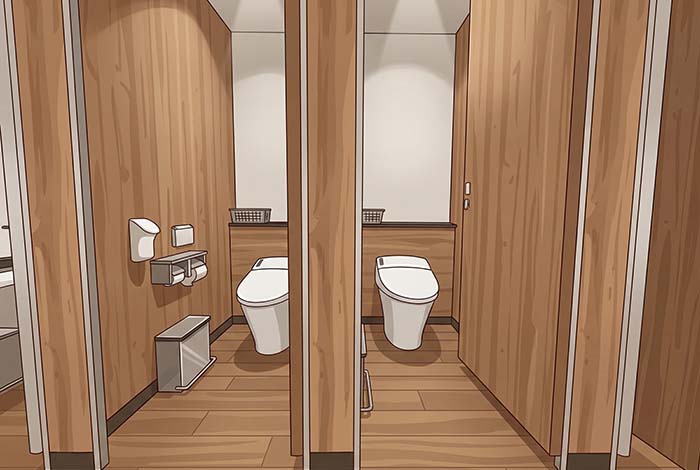
In the United States, almost every residential bathroom is designed as a single, multi-purpose room. The toilet, the sink, and the bathtub or shower are all packed into the exact same tiled space. For most Americans, this is completely normal. However, for Japanese people traveling overseas, finding the toilet sitting just a few feet away from where they are supposed to wash their bodies is a massive culture shock. In Japan, standard homes and apartments firmly believe in the “Basu-Toire Betsu” (Separate Bath and Toilet) layout. The toilet gets its own tiny, isolated room, while the bathing area is treated as a completely separate, sacred sanctuary.
The Philosophy of Cleanliness
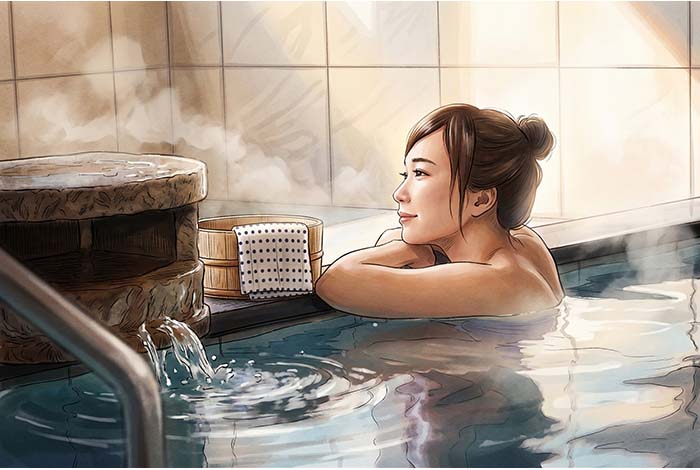
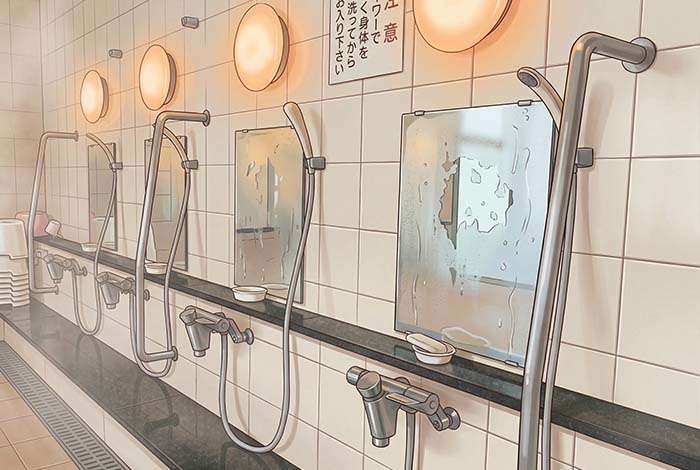
This strict separation is deeply rooted in the traditional Japanese philosophy of hygiene and relaxation. In Japan, a bathtub is not a place to scrub dirt off your body; it is a place to soak and melt away the physical and mental stress of the day. A Japanese bathroom is designed as a waterproof “wet room” where you sit on a stool and wash your entire body with soap and a showerhead before you ever step into the pristine, hot bathwater. Because this space is designed for ultimate, meditative relaxation, the idea of having a toilet—the place where human waste is disposed of—in the exact same room completely ruins the peaceful, zen atmosphere.
👉 Want to read more about Japanese demographics and society?
Read Next: Why Do Japanese Toilets Have So Many Buttons (And Which One to Press)?
The Evolution of the Toilet Room
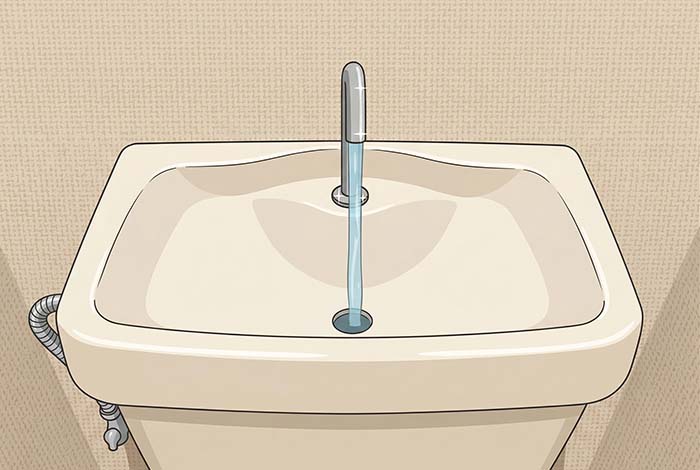
Because the toilet is banished to its own solitary confinement, it has evolved into a highly specialized, high-tech comfort zone. Without the humidity of a shower to worry about, Japanese toilet rooms are often fitted with heated electronic bidet seats (Washlets), automatic lid openers, and built-in deodorizers. Many toilet tanks even have a small sink on top that dispenses clean water when you flush, allowing you to wash your hands while simultaneously refilling the tank—a brilliant, space-saving eco-hack. It is a perfect example of how Japan takes a simple daily necessity and engineers it into a masterpiece of comfort and logic.
▼ Read Next:
🔗 Why Do Japanese Houses Talk to You? (The Polite Appliances)
.
.
Share This Article
Related Articles
Pick Up
- Japan Now! Japan Answered. The Monster Falls, and th...
- Japan Now! It’s Rice Day in Japan, So Dragon Q...
- Japan Now! 156 km/h. Bases Loaded. No Outs. Koshien&...
- Japan Now! 7,000 Stranded at Narita as Record Rain S...
- Japan Now! Whole Torched Purin on a Crepe. Ise’...
-

- Japan Now! The Spear Won. Chiben Wakayama Takes Kosh...
- Japan Now! The Final Four Is Set. Ariake’s Mir...
- Japan Now! She Said Yes. Olympic Champions Riku Miur...
- Pokemon Worlds Takes Over San Francisco, and We Got ...
- Japan Now! Doraemon Is Taking a Steam Train to Victo...
- See more Fun Facts articles >









Latest Articles
- Free Medicare Seminars, Learn the Besics and Review...
- Den’s Tea ...
- Capture Special Memories at Kimono no Kobeya ...
- Recommended for Those on a Diet! Healthy Noodles
- Savor Seasonal Specials at TAKAGI COFFEE!
-

- Daikokuya El Monte Celebrates 10th Anniversary! ...
- Check Out JINS 360°! New Store Now Open!
- Pho-Inspired Asian Spicy Ramen Returns for a Limited...
- Discover JINS’ Revolutionary Multi-Directional Movem...
- Celebrate 10 Years!! Daikokuya El Monte Launches Ann...
- See all articles >