Share This Article



The Global Longevity Champions
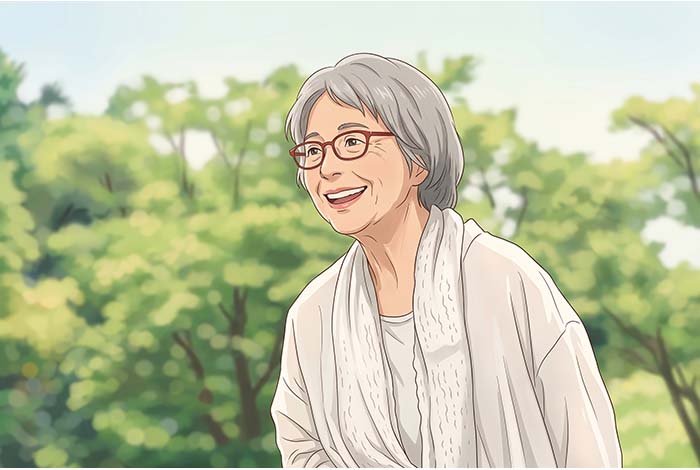
If you are searching for the fountain of youth, you should probably book a flight to Japan. The country consistently ranks at the very top of the global life expectancy charts, with the average citizen living to be around 84 years old (and women often reaching 87!). In regions like Okinawa, there is an unusually high concentration of active, healthy centenarians (people over 100 years old). For Americans dealing with a culture of massive portion sizes, highly processed fast food, and heavy reliance on driving, the Japanese lifestyle seems almost like magic. So, what is the secret to their incredibly long, healthy lives?
“Washoku” and the 80% Rule
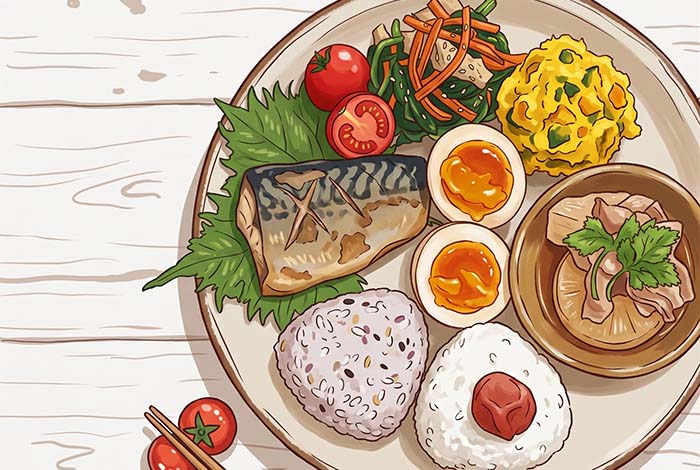
The most obvious factor is the traditional Japanese diet, known as “Washoku.” Instead of relying on heavy red meats, butter, and processed sugars, the Japanese diet is centered around fresh fish (rich in omega-3 fatty acids), seasonal vegetables, and powerful fermented foods like Miso and Natto, which work miracles for gut health. They also drink massive amounts of antioxidant-rich green tea every single day. But it isn’t just what they eat; it is how they eat. There is an ancient Confucian teaching in Japan called “Hara Hachi Bu,” which translates to “eat until you are 80% full.” This cultural habit prevents overeating and massively reduces the risk of heart disease and obesity.
👉 Want to read more about Japanese demographics and society?
Read Next: EASY STEP Recipes with Japanese Ingredients
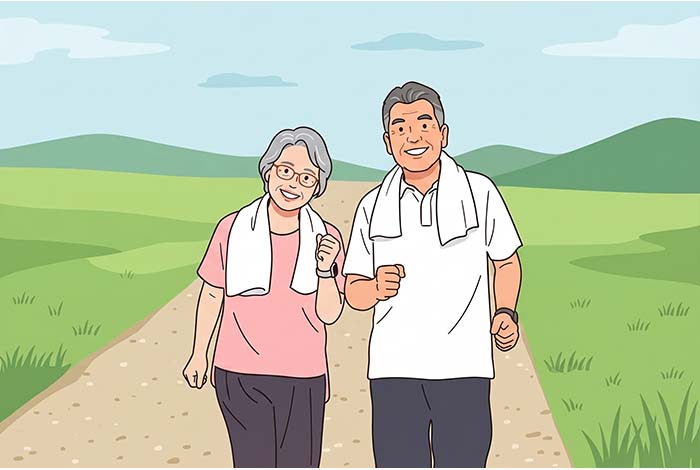
Movement, Healthcare, and “Ikigai”
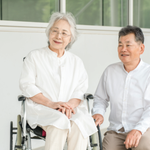
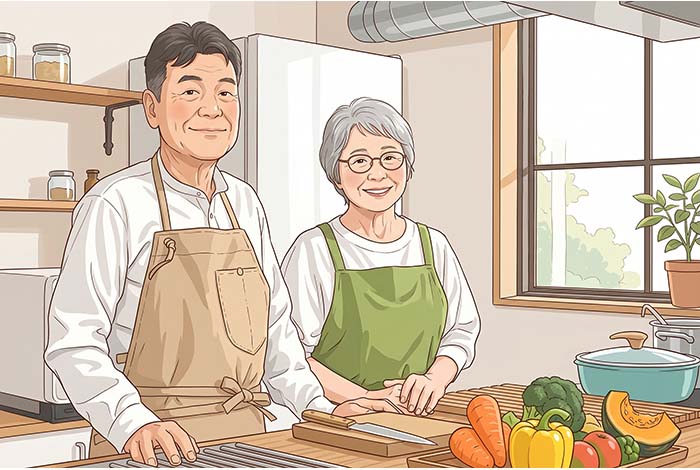
Beyond the dinner table, the Japanese environment is built for longevity. Unlike LA, where people drive everywhere, Japanese cities are built around public transit. The average Japanese person walks thousands of steps a day just commuting to the train station or biking to the grocery store. Furthermore, Japan has an incredibly affordable, high-quality universal healthcare system where routine preventative check-ups are the norm. Finally, there is a deep psychological element called “Ikigai” (a reason to live). Elderly people in Japan rarely just retire to a rocking chair; they stay highly active in their local communities, pursuing hobbies, gardening, or volunteering, keeping their minds just as healthy as their bodies.
▼ Read Next:
🔗 Why Are Japanese Lunchboxes a Work of Art? (The “Kyaraben” Phenomenon)
.
.
Share This Article
Related Articles
Pick Up
- Half-Price Hakata Ramen: Shin-Sen-Gumi Rosemead̵...
- Zespri Kiwifruit: A Sweet, Vitamin-C Boost for Fall
- A popular spot for authentic tempura rice bowls and ...
- Daikokuya El Monte Celebrates 10th Anniversary! ...
- Pho-Inspired Asian Spicy Ramen Returns for a Limited...
-

- Honda-ya Charity Event Celebrates Kappo Honda’...
- LA Dassai Experience: Japan and USA’s Finest S...
- Onigiri Sun DTLA Location Now Open
- Torikizoku’s second location in Anaheim Takeout yaki...
- Celebrate 10 Years!! Daikokuya El Monte Launches Ann...
- See more Fun Facts articles >




Latest Articles
- Free Medicare Seminars, Learn the Besics and Review...
- Capture Special Memories at Kimono no Kobeya ...
- Check Out JINS 360°! New Store Now Open!
- Discover JINS’ Revolutionary Multi-Directional Movem...
- 2027 Coming-of-Age Ceremony presented by Nadeshiko-k...
-

- Kappo Honda 30th Anniversary Charity Event
- JapanUp! 228 – October 2026
- Quiz – October 2026
- Chiikawa comes to Channel Oishii with 20 curated foo...
- Kanagawa: The Many Faces of Japan, All in One Place
- See all articles >