Share This Article



Last updated: June 30, 2026
From Everyday Snack to Edible Jewelry
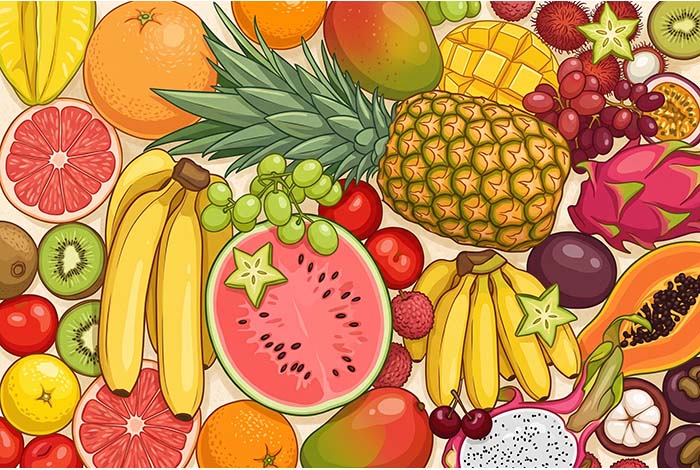
If you walk into a typical American supermarket in Los Angeles, fruits are treated as a cheap, healthy, everyday commodity. You grab a giant bag of apples or a plastic box of strawberries, toss them in your cart, and don’t think twice. But if you walk into the basement of a high-end Japanese department store like Mitsukoshi or Takashimaya, you will enter a realm of edible jewelry. Welcome to the world of expensive Japanese fruit, sold inside high-end “Fruit Boutiques.” Here, you will see a single, perfectly spherical cantaloupe resting on a silk pillow inside a wooden box, guarded by a glass case, with a price tag of $200. To a Westerner, this looks like pure insanity. Why on earth would a simple piece of fruit cost as much as a designer wallet?
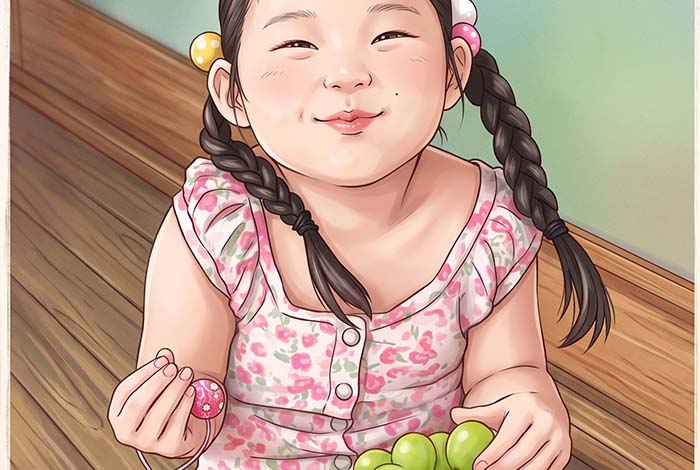
Why Is Japanese Fruit So Expensive? The “One-Tree, One-Fruit” Method
The secret behind these astronomical prices is an obsessive, almost psychotic dedication to agricultural perfection. In Japan, luxury fruit farmers are treated like master artisans. Let’s take the legendary “Crown Melon” as an example. Instead of letting a vine produce dozens of melons, the farmer will mercilessly cut away all the baby fruits, leaving only one single melon on the entire plant. This forces 100% of the plant’s nutrients, water, and sweetness into that one solitary fruit. The farmers will even manually massage the melon daily with cotton gloves to ensure the beautiful netted pattern on the skin grows perfectly symmetrical. You are not just paying for a fruit; you are paying for months of obsessive, micro-managed human labor.
👉 Want to read more about Japanese demographics and society?
Read Next:The Shifting Shelves: Why Does Japan Change Its Convenience Store Snacks Every Month?
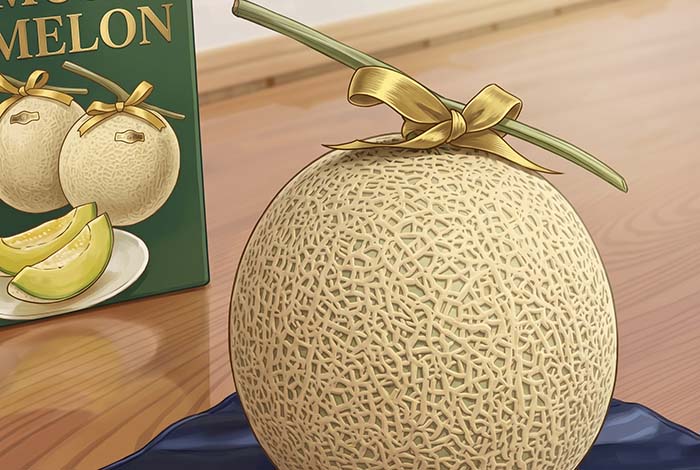
The Culture of “Zoutouhin” (Gift-Giving)
But who is actually buying these $200 melons or $50 white strawberries? The answer is tied to Japan’s deep-rooted culture of “Zoutouhin” (formal gift-giving). Japanese people rarely buy these luxury fruits to eat at home while watching TV. Instead, they are purchased specifically to be given as high-status gifts to a boss, a highly respected doctor, or a crucial business client. Presenting a flawless, famously branded fruit is the ultimate, elegant way to show profound gratitude and respect without simply handing over a crass envelope of cash. It is a delicious, edible symbol of social harmony and high-class appreciation!
Expensive Japanese Fruit FAQ
Why is Japanese fruit so expensive?
Luxury Japanese fruit is grown with extreme care, such as the “one-tree, one-fruit” method where a plant is pruned to ripen a single perfect melon. You are paying for months of intensive, artisan-level human labor.
How much does an expensive Japanese melon cost?
A premium branded melon, such as a Crown Melon, can cost from $100 to over $200 for a single fruit. Rare auction melons have sold for thousands of dollars.
Who buys $200 fruit in Japan?
Most luxury fruit is not eaten at home. It is bought as a formal gift (zoutouhin) for a boss, doctor, or business client, as an elegant way to show deep respect and gratitude.
What is the most famous expensive Japanese fruit?
The Crown Melon is one of the best known, along with luxury strawberries and Ruby Roman grapes. These branded fruits are prized for flawless shape, color, and sweetness.
▼ Read Next:
🔗The Mystery of the Square Watermelon: Is It Actually Edible?
.
.
Share This Article
Related Articles
Pick Up
- Daikokuya El Monte Celebrates 10th Anniversary! ...
- Half-Price Hakata Ramen: Shin-Sen-Gumi Rosemead̵...
- A popular spot for authentic tempura rice bowls and ...
- Pho-Inspired Asian Spicy Ramen Returns for a Limited...
- Zespri Kiwifruit: A Sweet, Vitamin-C Boost for Fall
-

- Torikizoku’s second location in Anaheim Takeout yaki...
- Celebrate 10 Years!! Daikokuya El Monte Launches Ann...
- Onigiri Sun DTLA Location Now Open
- Honda-ya Charity Event Celebrates Kappo Honda’...
- LA Dassai Experience: Japan and USA’s Finest S...
- See more Fun Facts articles >








Latest Articles
- Free Medicare Seminars, Learn the Besics and Review...
- Capture Special Memories at Kimono no Kobeya ...
- Check Out JINS 360°! New Store Now Open!
- Discover JINS’ Revolutionary Multi-Directional Movem...
- 2027 Coming-of-Age Ceremony presented by Nadeshiko-k...
-

- Kappo Honda 30th Anniversary Charity Event
- JapanUp! 228 – October 2026
- Quiz – October 2026
- Chiikawa comes to Channel Oishii with 20 curated foo...
- Kanagawa: The Many Faces of Japan, All in One Place
- See all articles >