
Share This Article



The Impossible Turnaround Time
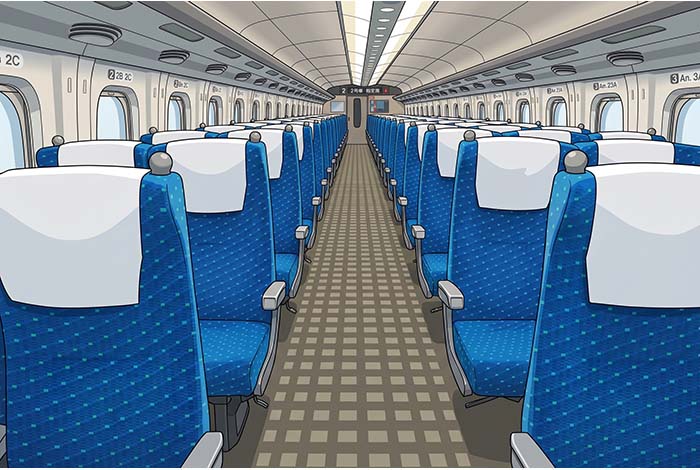
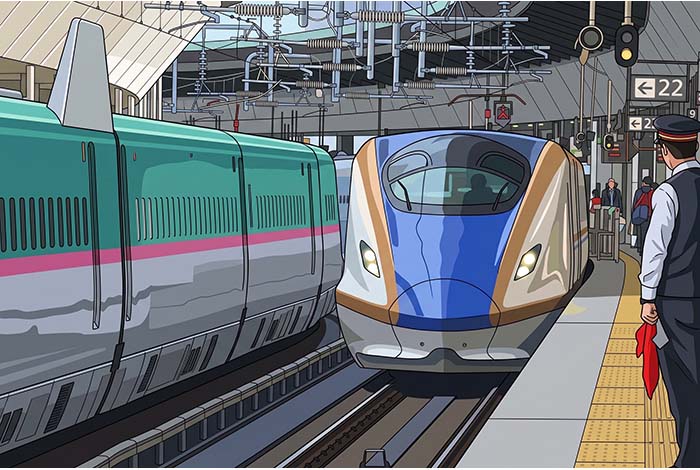
When an airplane or a long-distance Amtrak train arrives at its final destination in the United States, cleaning the cabin is a slow, time-consuming process that can take anywhere from 20 to 45 minutes. But in Japan, the Shinkansen (Bullet Train) operates on a schedule so tight it defies logic. When a massive, 1,000-seat bullet train arrives at Tokyo Station, it usually has exactly 12 minutes before it must depart again for its next journey. It takes passengers about 5 minutes to disembark. That leaves the cleaning crew with precisely 7 minutes to transform a messy, heavily used train into a spotless, welcoming environment. It is a legendary feat of efficiency globally known as the “7-Minute Miracle.”
A Highly Choreographed Dance
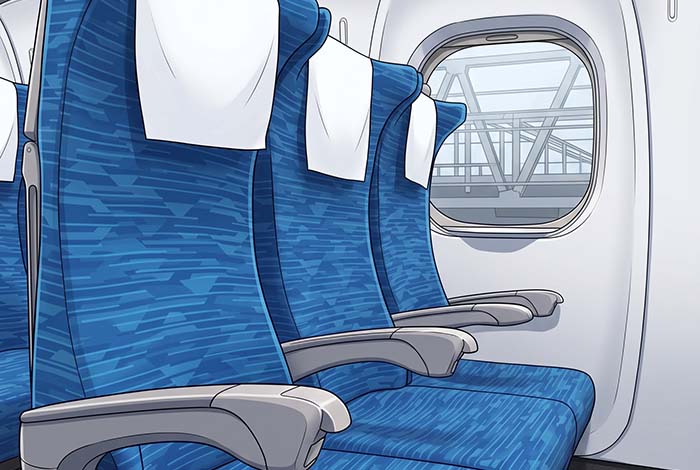
How is this physically possible? The cleaning staff (famously wearing bright pink or red uniforms) operate like a highly trained pit crew at a Formula 1 race. The moment the passengers step off, the crew rushes in. In exactly 420 seconds, one person per train car must complete a massive checklist: they collect all the garbage, wipe down every single folding tray table, sweep the entire floor, change the dirty fabric headrest covers on the seats, check for lost items, and push a hidden button that magically rotates all the seats 180 degrees to face the new direction of travel. They move with relentless speed, yet never look panicked.
👉 Want to read more about Japanese demographics and society?
Read Next:Why Has the Bullet Train Never Had an Accident in 60 Years? (The Shinkansen Miracle)
The Pride of “Omotenashi”
This extreme cleaning routine is so brilliant that it has been studied by Harvard Business School as a masterclass in operational management. But beyond the sheer speed, what truly amazes foreign tourists is the deep sense of pride the workers display. Before they board the train and after they finish cleaning, the entire crew lines up on the platform and deeply bows to the train and the waiting passengers. They do not view their job as mere “janitorial work”; they view it as the frontline of Japanese “Omotenashi” (hospitality). It turns a mundane cleaning process into a thrilling, must-see theatrical performance for every traveler!
▼ Read Next:
🔗Why You Can’t Bring Big Suitcases on the Bullet Train Anymore
.
.
Share This Article
Related Articles
Pick Up
- Japan Now! The Final Four Is Set. Ariake’s Mir...
- Japan Now! Japan Answered. The Monster Falls, and th...
- Japan Now! The Spear Won. Chiben Wakayama Takes Kosh...
- Japan Now! 7,000 Stranded at Narita as Record Rain S...
- Japan Now! Whole Torched Purin on a Crepe. Ise’...
-

- Japan Now! 156 km/h. Bases Loaded. No Outs. Koshien&...
- Pokemon Worlds Takes Over San Francisco, and We Got ...
- Japan Now! Doraemon Is Taking a Steam Train to Victo...
- Japan Now! She Said Yes. Olympic Champions Riku Miur...
- Japan Now! It’s Rice Day in Japan, So Dragon Q...
- See more Fun Facts articles >









Latest Articles
- Free Medicare Seminars, Learn the Besics and Review...
- Den’s Tea ...
- Capture Special Memories at Kimono no Kobeya ...
- Recommended for Those on a Diet! Healthy Noodles
- Savor Seasonal Specials at TAKAGI COFFEE!
-

- Daikokuya El Monte Celebrates 10th Anniversary! ...
- Check Out JINS 360°! New Store Now Open!
- Pho-Inspired Asian Spicy Ramen Returns for a Limited...
- Discover JINS’ Revolutionary Multi-Directional Movem...
- Celebrate 10 Years!! Daikokuya El Monte Launches Ann...
- See all articles >