
Share This Article



The Hollywood Illusion
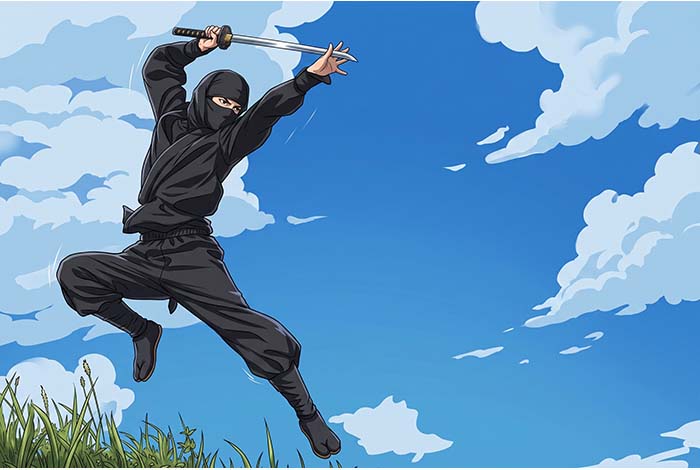
When Americans picture a Japanese “Ninja,” the image is universally identical: a highly trained, silent assassin doing backflips across a rooftop, dressed entirely from head to toe in a pitch-black, form-fitting suit with only their eyes exposed. From 1980s action movies to the Teenage Mutant Ninja Turtles, this iconic black uniform has become the ultimate symbol of Japanese martial arts. However, if you travel to Japan and study the actual historical documents from the feudal era, you will discover a shocking truth that shatters this pop-culture illusion. Real ninjas almost never wore black suits.
The Art of True Invisibility
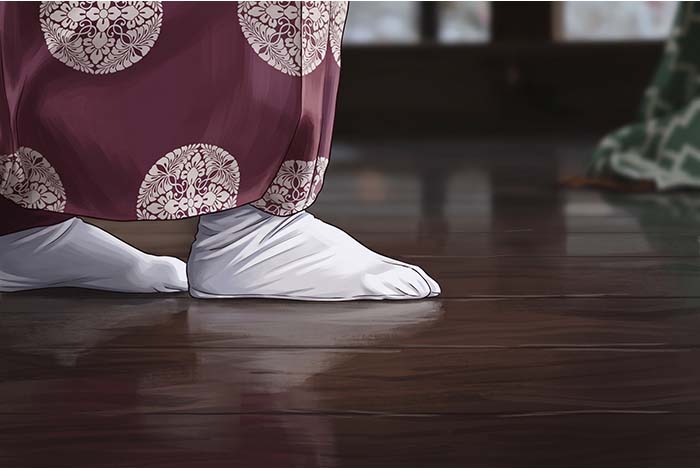
To understand why the black suit is a myth, you have to understand the true job of a ninja (historically called Shinobi). They were not frontline fighters or superhero assassins; they were covert intelligence agents, spies, and information gatherers. True invisibility doesn’t mean hiding in the shadows; it means blending perfectly into a crowd. If a person walked through a busy Edo-period market or a samurai town wearing a full black mask and a stealth suit, they would look incredibly suspicious and be arrested immediately! Instead, real ninjas wore normal, everyday clothes. They disguised themselves as poor farmers, traveling monks, street performers, or merchants to silently eavesdrop on enemy plans without anyone noticing.
👉 Want to read more about Japanese demographics and society?
Read Next:The Deadly Mistake Tourists Make When Wearing a Kimono (Left or Right?)
The Theatrical Origin of the Black Suit
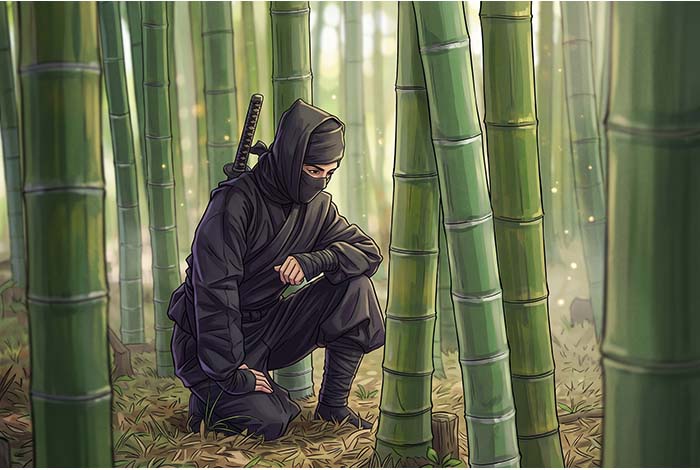
So, if real ninjas wore boring farm clothes, where did the cool black suit come from? The answer is brilliantly simple: the Japanese theater! During the Edo period, traditional Kabuki theater plays often featured ninja characters. In Kabuki, stagehands called “Kuroko” dress in all-black to move props around the stage, and the audience is trained to pretend these stagehands are “invisible.” Playwrights cleverly decided to dress the ninja actors in these exact same black stagehand outfits to visually represent to the audience that the character was currently “unseen” or hiding in the dark. Western pop culture saw these theatrical plays, took the visual literally, and the legendary myth of the black-suited ninja was born!
▼ Read Next:
🔗Why Do Authentic Kimonos Cost as Much as a Car? (The Masterpiece You Can Wear)
.
.
Share This Article
Related Articles
Pick Up
- Japan Now! Japan Answered. The Monster Falls, and th...
- Japan Now! 156 km/h. Bases Loaded. No Outs. Koshien&...
- Japan Now! The Final Four Is Set. Ariake’s Mir...
- Japan Now! Whole Torched Purin on a Crepe. Ise’...
- Japan Now! 7,000 Stranded at Narita as Record Rain S...
-

- Pokemon Worlds Takes Over San Francisco, and We Got ...
- Japan Now! The Spear Won. Chiben Wakayama Takes Kosh...
- Japan Now! It’s Rice Day in Japan, So Dragon Q...
- Japan Now! She Said Yes. Olympic Champions Riku Miur...
- Japan Now! Doraemon Is Taking a Steam Train to Victo...
- See more Fun Facts articles >










Latest Articles
- WA Dining Suya Enjoy the Flavors of Fall with Limit...
- Free Medicare Seminars, Learn the Besics and Review...
- Den’s Tea ...
- Capture Special Memories at Kimono no Kobeya ...
- Recommended for Those on a Diet! Healthy Noodles
-

- Savor Seasonal Specials at TAKAGI COFFEE!
- Daikokuya El Monte Celebrates 10th Anniversary! ...
- Check Out JINS 360°! New Store Now Open!
- Pho-Inspired Asian Spicy Ramen Returns for a Limited...
- Discover JINS’ Revolutionary Multi-Directional Movem...
- See all articles >