Share This Article



The Polarizing Superfood
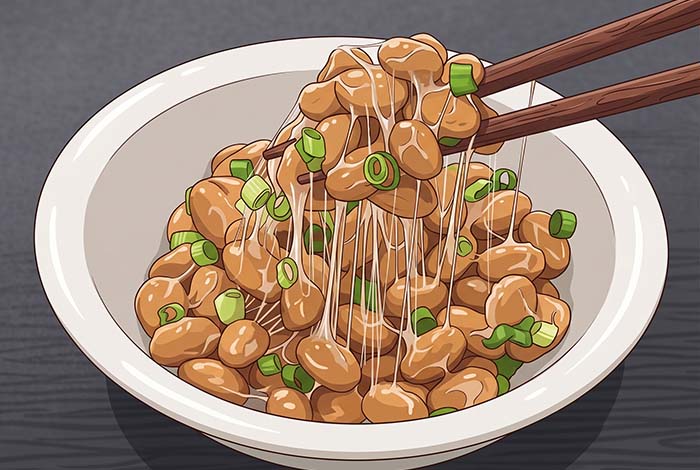
Natto, the fermented soybean dish, is perhaps the most polarizing food in the Japanese pantry. While health enthusiasts in Los Angeles love it for its incredible probiotics and Vitamin K2, many first-timers are intimidated by its pungent smell and notoriously slimy, sticky texture. If you buy a pack of natto at a Japanese supermarket like Mitsuwa or Nijiya, you’ll notice it comes in a very specific, lightweight white foam container. But have you ever flipped the empty container over and wondered why the bottom is covered in a strange, bumpy pattern? It isn’t just for decoration; it is a masterpiece of Japanese food engineering.
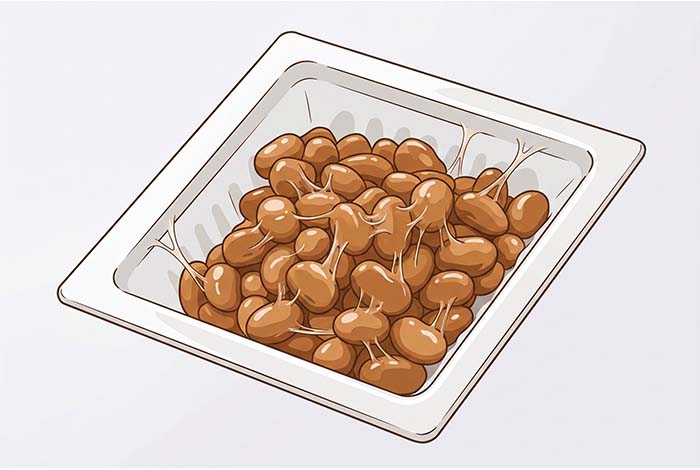
Three Reasons for the Bumps
There are three brilliant scientific reasons for those little bumps. First, is structural integrity. Because the foam plastic is incredibly thin and light to save on waste, the dimpled pattern acts like a structural “rib,” making the container much stronger against outside pressure during shipping. Second, the bumps act as microscopic “oxygen channels.” Natto is a living food; the bacteria need to breathe to ferment properly. The bumps ensure that air can circulate even when the packs are stacked on top of each other. Finally, they act as “friction hooks” to help you mix the beans! The bumps create resistance, allowing you to whip the beans into that perfect, foamy, “neba-neba” texture with your chopsticks more efficiently.
👉 Want to read more about Japanese demographics and society?
Read Next: Why Do Japanese People Put Condensed Milk on Strawberries? (The Spring Tradition)
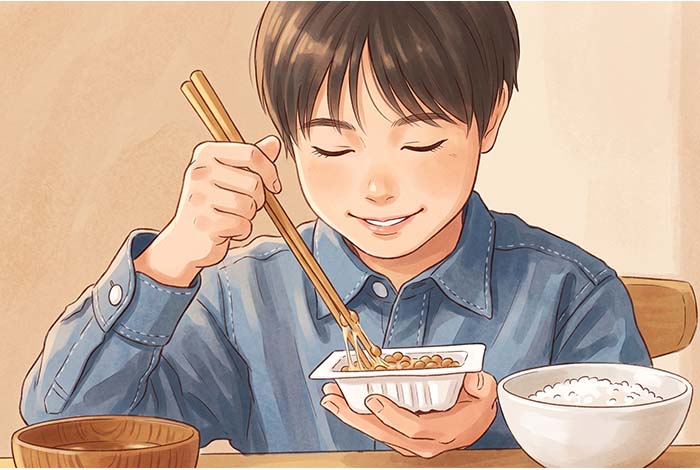
Small Innovations, Big Impact
This is a perfect example of the Japanese design philosophy of “Omotenashi” (hospitality) hidden in everyday objects. Engineers spent years testing the exact height and placement of these bumps just to make sure your breakfast is fermented perfectly and easy to stir. In Japan, even the cheapest $1 product at the grocery store is treated with the same level of rigorous engineering as a high-end luxury car. So, the next time you are whisking your sticky beans in LA, take a moment to appreciate the tiny, invisible technology supporting your healthy Japanese breakfast!
▼ Read Next:
🔗 Why Is Japanese Mochi So Stretchy? (The Secret of “Mochigome” Rice)
.
.
Share This Article
Related Articles
Pick Up
- Pho-Inspired Asian Spicy Ramen Returns for a Limited...
- Onigiri Sun DTLA Location Now Open
- Savor Seasonal Specials at TAKAGI COFFEE!
- Daikokuya El Monte Celebrates 10th Anniversary! ...
- Half-Price Hakata Ramen: Shin-Sen-Gumi Rosemead̵...
-

- Celebrate 10 Years!! Daikokuya El Monte Launches Ann...
- Honda-ya Charity Event Celebrates Kappo Honda’...
- Torikizoku’s second location in Anaheim Takeout yaki...
- LA Dassai Experience: Japan and USA’s Finest S...
- A popular spot for authentic tempura rice bowls and ...
- See more Fun Facts articles >




Latest Articles
- Looking for a Car? Visit South Bay Toyoya! Reliable...
- Free Medicare Seminars, Learn the Besics and Review...
- Capture Special Memories at Kimono no Kobeya ...
- Check Out JINS 360°! New Store Now Open!
- Discover JINS’ Revolutionary Multi-Directional Movem...
-

- 2027 Coming-of-Age Ceremony presented by Nadeshiko-k...
- Kappo Honda 30th Anniversary Charity Event
- JapanUp! 228 – October 2026
- Quiz – October 2026
- Chiikawa comes to Channel Oishii with 20 curated foo...
- See all articles >