Share This Article



The Ancient Meat Ban
When foreigners think of Japanese food today, they usually imagine Wagyu beef, tonkotsu ramen, or chicken teriyaki. However, for the vast majority of Japanese history, eating the meat of four-legged animals was strictly forbidden. In 675 AD, Emperor Tenmu issued the first official decree banning the consumption of cattle, horses, dogs, monkeys, and chickens, largely influenced by the Buddhist belief in the sanctity of life. This was not a temporary fad; the ban was reinforced for over 1,000 years. While people still occasionally ate wild boar or deer (calling them “mountain whales” to bypass the rules), for most of the nation, the diet consisted almost entirely of rice, vegetables, and seafood.

The Emperor’s Bold Move
Everything changed in the 19th century during the Meiji Restoration. As Japan opened its doors to the world after 200 years of isolation, the new leaders realized that Westerners were physically larger and stronger—and they attributed this to eating meat. In a shocking move to modernize the country, Emperor Meiji himself broke the 1,400-year taboo by publicly eating beef in 1872. This was a massive cultural earthquake. Many monks and traditionalists protested, but the Emperor’s influence was absolute. Suddenly, eating meat was rebranded as a symbol of progress, civilization, and Western sophistication, leading to the rapid birth of iconic dishes like Sukiyaki and eventually Gyudon (beef bowls).
👉 Want to read more about Japanese demographics and society?
Read Next: Why Is Your “Omakase” Not Real Omakase? (The Trust Test)

The Legacy of “Washoku”
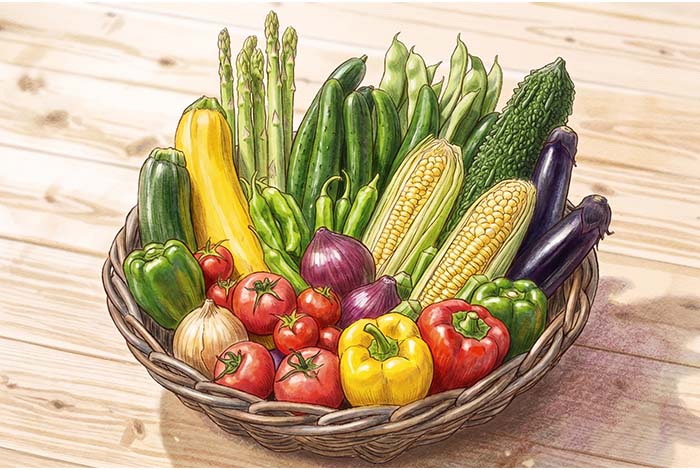
Despite this rapid shift to meat, the 1,400-year vegetarian legacy is what makes “Washoku” (traditional Japanese cuisine) so unique and healthy today. Because they couldn’t rely on animal fats for flavor, Japanese chefs mastered the art of “Umami”—extracting deep, savory flavors from seaweed (kombu) and fermented soy (miso and soy sauce). This history is also why high-quality vegetables and tofu are treated with such incredible respect in Japanese cooking. Even though modern Japan loves a good steak, the soul of their diet remains deeply connected to that long, Buddhist-influenced history of living in harmony with nature without the need for four-legged meat.
▼ Read Next:
🔗 Why Do Ramen Chefs Refuse to Serve Big Portions? (The “Kaedama” Secret)
.
.
Share This Article
Related Articles
Pick Up
- Honda-ya Charity Event Celebrates Kappo Honda’...
- Torikizoku’s second location in Anaheim Takeout yaki...
- Celebrate 10 Years!! Daikokuya El Monte Launches Ann...
- Half-Price Hakata Ramen: Shin-Sen-Gumi Rosemead̵...
- A popular spot for authentic tempura rice bowls and ...
-

- Onigiri Sun DTLA Location Now Open
- Zespri Kiwifruit: A Sweet, Vitamin-C Boost for Fall
- Pho-Inspired Asian Spicy Ramen Returns for a Limited...
- Daikokuya El Monte Celebrates 10th Anniversary! ...
- LA Dassai Experience: Japan and USA’s Finest S...
- See more Fun Facts articles >



Latest Articles
- Free Medicare Seminars, Learn the Besics and Review...
- Capture Special Memories at Kimono no Kobeya ...
- Check Out JINS 360°! New Store Now Open!
- Discover JINS’ Revolutionary Multi-Directional Movem...
- 2027 Coming-of-Age Ceremony presented by Nadeshiko-k...
-

- Kappo Honda 30th Anniversary Charity Event
- JapanUp! 228 – October 2026
- Quiz – October 2026
- Chiikawa comes to Channel Oishii with 20 curated foo...
- Kanagawa: The Many Faces of Japan, All in One Place
- See all articles >