Share This Article



The Global Education Gap
If you look back at global history during the 18th and 19th centuries, literacy was generally a rare privilege. In many parts of Europe and the Americas, reading and writing were strictly reserved for the wealthy elite, aristocrats, and the clergy. The average farmer or merchant simply had no need or opportunity to learn. However, if you traveled to Japan during the Edo Period (1603-1868), you would find a completely different reality. Even though Japan was a totally isolated island nation, an estimated 50% of men and 20% of women in the capital city of Edo (now Tokyo) could read and write—giving Japan one of the highest literacy rates in the entire world at the time!
The Grassroots “Terakoya” Schools
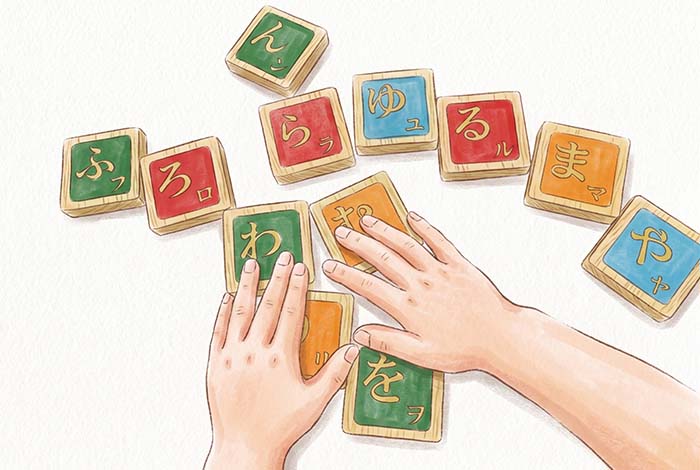
How did an isolated country achieve such incredible mass education without a modern public school system? The secret was a brilliant, grassroots network of local schools called “Terakoya” (Temple Schools). These were informal, private neighborhood classes often run by Buddhist monks, retired samurai, or even local doctors. Parents from all social classes—merchants, artisans, and farmers—would send their children to these Terakoya. There, the kids were taught practical, everyday skills: reading, writing Kanji with a brush, and doing rapid mathematics using a “Soroban” (abacus). It was an incredibly accessible and affordable education system for the common people.
👉 Want to read more about Japanese demographics and society?
Read Next: What Do Japanese Kids Do After School? (The “Naraigoto” Culture)
A Pop Culture Explosion
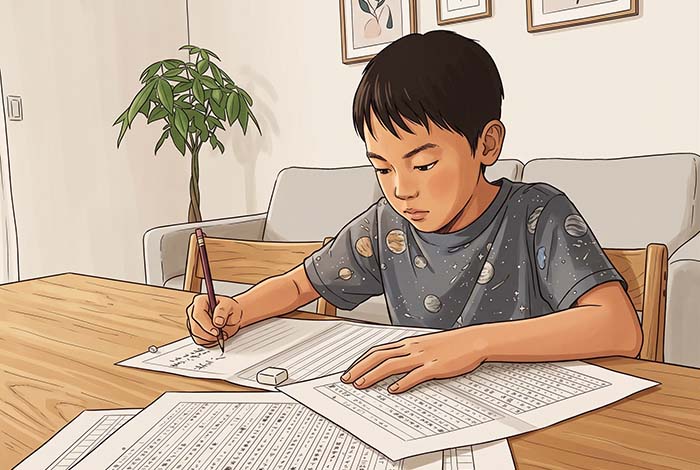
Because so many everyday citizens could read, Edo-period Japan experienced a massive, vibrant explosion of pop culture and publishing. Ordinary people devoured cheap, mass-produced woodblock-printed books, including travel guides, romantic novels, and early versions of comic books. This profound foundation of high literacy meant that when Japan finally opened its borders to the West in the late 19th century, the general public was highly educated and intellectually prepared to rapidly absorb modern technology. The “Terakoya” legacy is the absolute backbone of Japan’s modern success!
▼ Read Next:
🔗 Why Does Japan Need 3 Different Alphabets? (The Ultimate Reading Puzzle)
.
.
Share This Article
Related Articles
Pick Up
- Japan Now! It’s Rice Day in Japan, So Dragon Q...
- Japan Now! Whole Torched Purin on a Crepe. Ise’...
- Japan Now! 7,000 Stranded at Narita as Record Rain S...
- Japan Now! She Said Yes. Olympic Champions Riku Miur...
- Japan Now! Doraemon Is Taking a Steam Train to Victo...
-

- Japan Now! The Spear Won. Chiben Wakayama Takes Kosh...
- Japan Now! Japan Answered. The Monster Falls, and th...
- Japan Now! The Final Four Is Set. Ariake’s Mir...
- Japan Now! 156 km/h. Bases Loaded. No Outs. Koshien&...
- Pokemon Worlds Takes Over San Francisco, and We Got ...
- See more Fun Facts articles >






Latest Articles
- Looking for a Car? Visit South Bay Toyoya! Reliable...
- WA Dining Suya Enjoy the Flavors of Fall with Limit...
- Free Medicare Seminars, Learn the Besics and Review...
- Den’s Tea ...
- Capture Special Memories at Kimono no Kobeya ...
-

- Recommended for Those on a Diet! Healthy Noodles
- Savor Seasonal Specials at TAKAGI COFFEE!
- Daikokuya El Monte Celebrates 10th Anniversary! ...
- Check Out JINS 360°! New Store Now Open!
- Pho-Inspired Asian Spicy Ramen Returns for a Limited...
- See all articles >