Share This Article



The Busy Life of a Japanese Child
In the United States, after-school activities are usually dominated by seasonal sports like AYSO soccer, Little League baseball, or casual gymnastics. But in Japan, kids are remarkably busy all year round with “Naraigoto” (extracurricular lessons). It is incredibly common for elementary school students to attend different specialized classes three to five days a week! While popular global sports like swimming, soccer, and baseball are always at the top of the list, the Japanese after-school industry includes fascinating traditional and modern subjects that you rarely see in a standard American neighborhood.
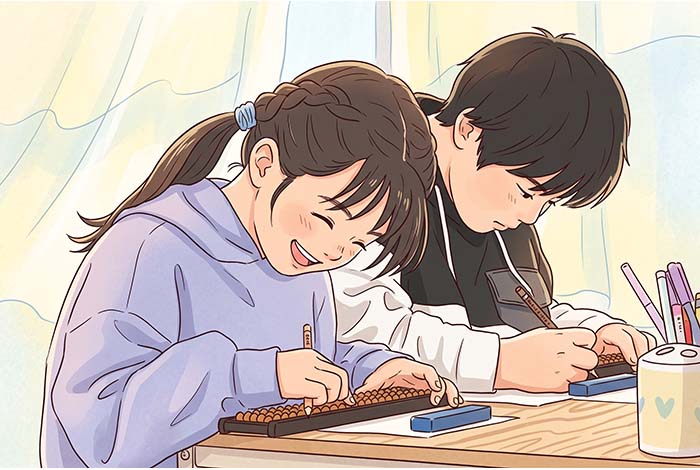
Training the Brain: Soroban & Shuji
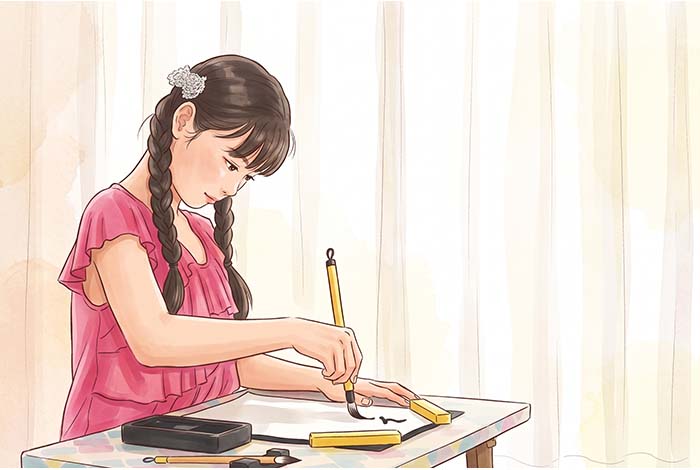
Two of the most uniquely Japanese classes are “Soroban” (abacus) and “Shuji” (calligraphy). You might think an abacus is useless in the age of smartphones, but Soroban classes are actually highly advanced mental training. Kids learn to visualize the abacus in their heads, allowing them to solve massive math equations at lightning speed. Meanwhile, Shuji teaches extreme patience, posture, and the artistic beauty of the Japanese language using a brush and black ink. These traditional classes are highly valued by parents not just for the actual skills, but because they teach deep discipline and concentration from a very young age.
👉 Want to read more about Japanese demographics and society?
Read Next: [Japanese Interviews: Life in LA] Kent Hayashi : The Challenge of Global Sports Agent — Soccer Gave Me My Life — Passing It On to the Next Generation
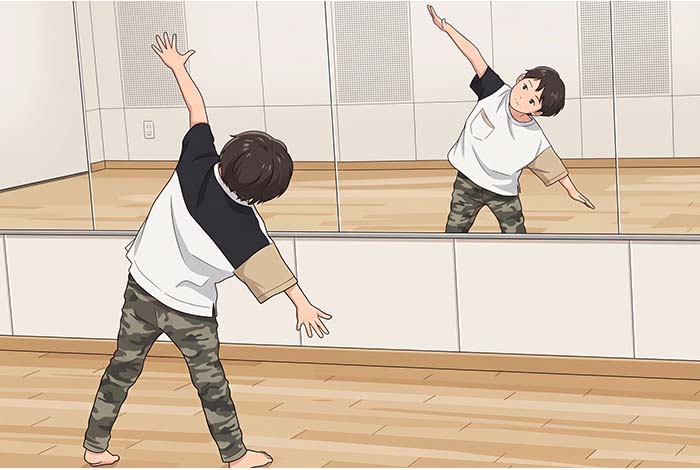
The Modern Shift: Dance and English Magic
However, the landscape of Naraigoto is rapidly modernizing. In recent years, Hip-Hop dance has exploded in popularity. This boom was heavily fueled by the Japanese government making dance a mandatory subject in middle school physical education in 2012! Today, thousands of young kids attend intense dance studios, which perfectly explains why Japanese pop groups and global phenomena like K-Pop feature so many incredibly talented Japanese dancers. Blended with the ever-popular English conversation schools (Eikaiwa), the modern Japanese child is perfectly balancing deep cultural traditions with a fierce drive to conquer the global pop-culture stage.
▼ Read Next:
🔗 Why Are Japanese Kids Obsessed with “Sticker Books”? (The “Seal Exchange” Boom)
.
.
Share This Article
Related Articles
Pick Up
- Japan Now! The Final Four Is Set. Ariake’s Mir...
- Japan Now! Doraemon Is Taking a Steam Train to Victo...
- Japan Now! Whole Torched Purin on a Crepe. Ise’...
- Japan Now! 7,000 Stranded at Narita as Record Rain S...
- Japan Now! It’s Rice Day in Japan, So Dragon Q...
-

- Japan Now! 156 km/h. Bases Loaded. No Outs. Koshien&...
- Japan Now! She Said Yes. Olympic Champions Riku Miur...
- Japan Now! Japan Answered. The Monster Falls, and th...
- Japan Now! The Spear Won. Chiben Wakayama Takes Kosh...
- Pokemon Worlds Takes Over San Francisco, and We Got ...
- See more Fun Facts articles >








Latest Articles
- Free Medicare Seminars, Learn the Besics and Review...
- Den’s Tea ...
- Capture Special Memories at Kimono no Kobeya ...
- Recommended for Those on a Diet! Healthy Noodles
- Savor Seasonal Specials at TAKAGI COFFEE!
-

- Daikokuya El Monte Celebrates 10th Anniversary! ...
- Check Out JINS 360°! New Store Now Open!
- Pho-Inspired Asian Spicy Ramen Returns for a Limited...
- Discover JINS’ Revolutionary Multi-Directional Movem...
- Celebrate 10 Years!! Daikokuya El Monte Launches Ann...
- See all articles >