Share This Article



The First Novel in History
When Westerners think of the origins of classic literature, they usually point to European masterpieces like Cervantes’ Don Quixote (published in 1605) or the plays of William Shakespeare. However, centuries before these Western legends ever picked up a quill, a woman in Japan had already written what is widely recognized by historians today as the world’s very first psychological novel. Written over 1,000 years ago, during the peak of the Heian Period (around the early 11th century), the masterpiece is called Genji Monogatari (The Tale of Genji).
The Royal Court Drama
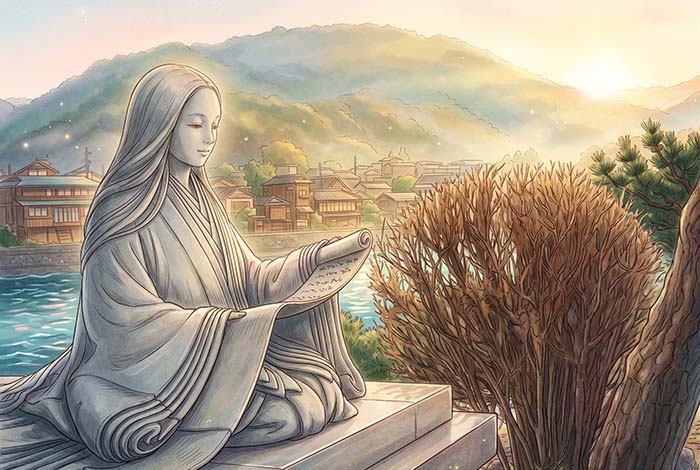
The author of this massive, groundbreaking work was Murasaki Shikibu, a noblewoman and lady-in-waiting at the Japanese imperial court. Unlike ancient mythologies or simple folktales, The Tale of Genji is a deeply complex, 54-chapter epic. It follows the romantic, political, and daily life of Hikaru Genji, the handsome son of an ancient Japanese emperor. Murasaki Shikibu didn’t just document history; she masterfully created a fictional universe with over 400 distinct characters, intricate plotlines, aging protagonists, and deep psychological realism that explored the themes of love, jealousy, and the fleeting nature of life.
👉 Want to read more about Japanese demographics and society?
Read Next: Why Was Japan the Most Literate Country in the 1800s? (The “Terakoya” Secret)
A 1,000-Year Legacy
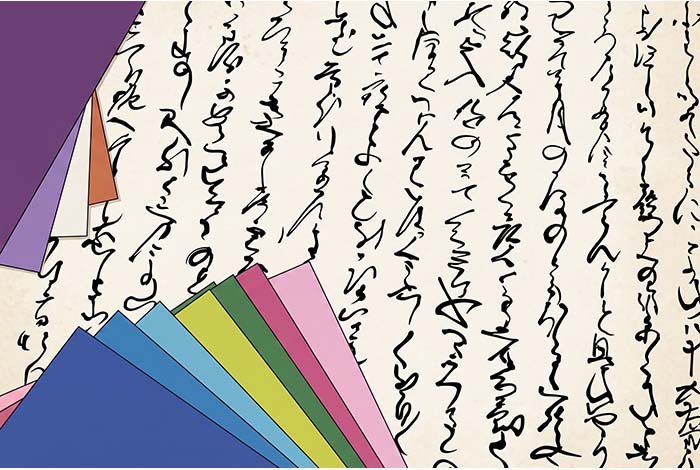
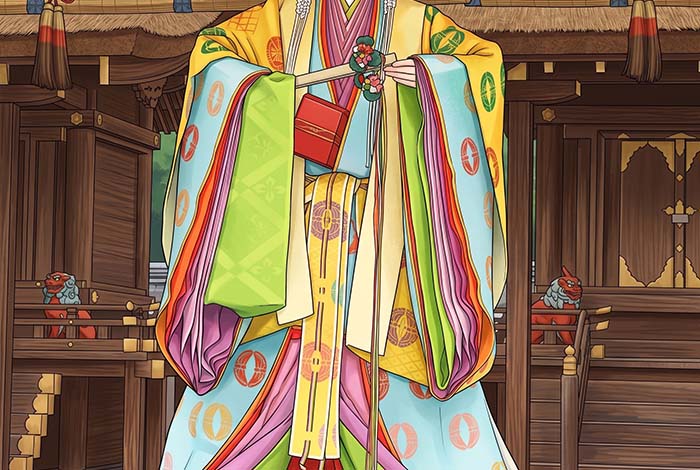
What makes The Tale of Genji so incredibly mind-blowing is that it was written in a time when women were generally excluded from learning the formal, official language of government (Chinese). Instead, Murasaki Shikibu wrote her epic masterpiece using “Kana,” a newly developed, purely Japanese phonetic script primarily used by women at the time. Her emotional, poetic writing was so incredibly popular among the aristocrats that it practically defined classical Japanese literature. Today, over a millennium later, it remains an absolute foundational pillar of Japanese culture, continually adapted into movies, manga, and modern theater!
▼ Read Next:
🔗 Why Does Japan Need 3 Different Alphabets? (The Ultimate Reading Puzzle)
.
.
Share This Article
Related Articles
Pick Up
- Japan Now! She Said Yes. Olympic Champions Riku Miur...
- Pokemon Worlds Takes Over San Francisco, and We Got ...
- Japan Now! It’s Rice Day in Japan, So Dragon Q...
- Japan Now! Whole Torched Purin on a Crepe. Ise’...
- Japan Now! 156 km/h. Bases Loaded. No Outs. Koshien&...
-

- Japan Now! The Final Four Is Set. Ariake’s Mir...
- Japan Now! 7,000 Stranded at Narita as Record Rain S...
- Japan Now! Japan Answered. The Monster Falls, and th...
- Japan Now! The Spear Won. Chiben Wakayama Takes Kosh...
- Japan Now! Doraemon Is Taking a Steam Train to Victo...
- See more Fun Facts articles >








Latest Articles
- Free Medicare Seminars, Learn the Besics and Review...
- Den’s Tea ...
- Capture Special Memories at Kimono no Kobeya ...
- Recommended for Those on a Diet! Healthy Noodles
- Savor Seasonal Specials at TAKAGI COFFEE!
-

- Daikokuya El Monte Celebrates 10th Anniversary! ...
- Check Out JINS 360°! New Store Now Open!
- Pho-Inspired Asian Spicy Ramen Returns for a Limited...
- Discover JINS’ Revolutionary Multi-Directional Movem...
- Celebrate 10 Years!! Daikokuya El Monte Launches Ann...
- See all articles >