Share This Article



The Global Surname Contrast
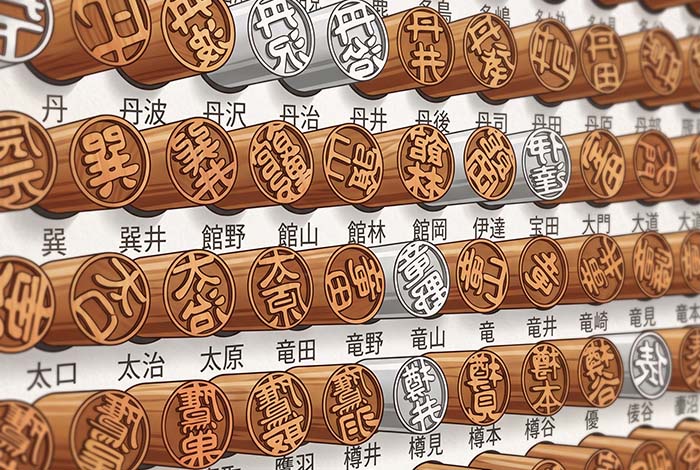
In many Asian countries, family names are highly concentrated. In South Korea, roughly half of the entire population shares just three last names: Kim, Lee, and Park. In China, huge portions of the population are named Wang or Li. But Japan is a massive, confusing outlier on the global stage. It is estimated that there are over 300,000 different surnames actively used in Japan today! This makes Japan one of the most surname-diverse countries in the world. It is incredibly common for people in specific local regions or rural villages to have unique, hyper-specific last names that nobody else in the country has ever heard of.
Creating Names Out of Thin Air
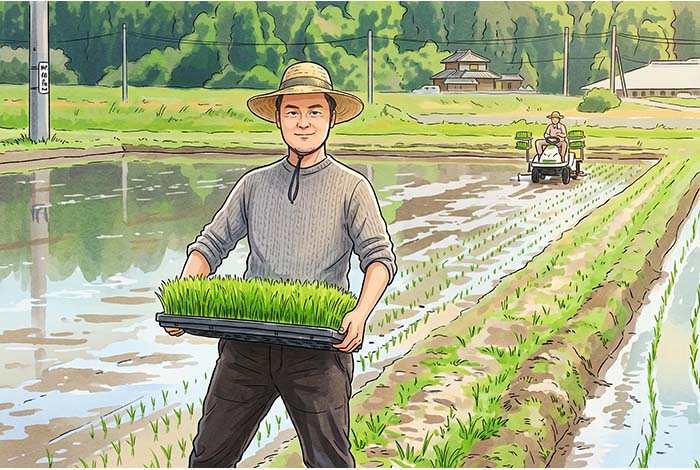
How did they get so many? Before the 1870s, commoners like farmers and merchants were not legally allowed to use surnames at all—only samurai and nobles had that privilege. But when the Meiji government mandated the new Koseki (Family Registry) system to collect taxes, suddenly millions of regular citizens had to register a last name immediately. Since they didn’t have one, they literally just made them up based on the surrounding geography! If a family lived near the base of a mountain, they named themselves “Yamamoto” (Base of the mountain). If they lived near a middle rice field, they became “Nakata” (Middle field). The sheer freedom of this geographical naming frenzy created hundreds of thousands of hyper-local variations.
👉 Want to read more about Japanese demographics and society?
Read Next: Why Don’t Japanese People Have Middle Names? (The Koseki Law)
The Pronunciation Nightmare
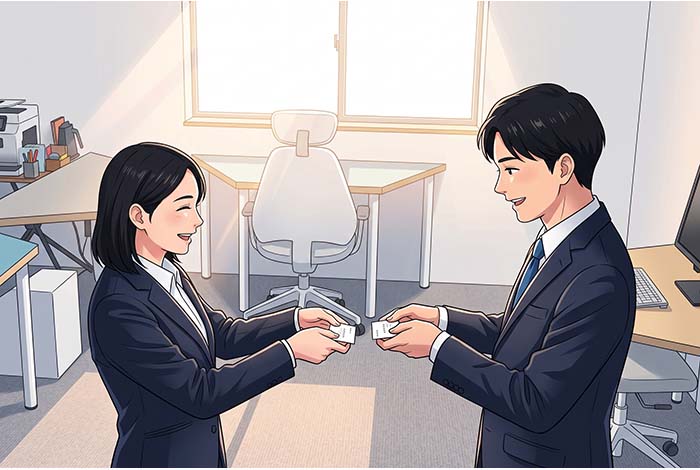
Because millions of people were inventing their own names, they also assigned completely random pronunciations to the Kanji characters. This created a lasting linguistic nightmare that continues today. Even native Japanese people constantly struggle to read each other’s last names! For example, the character “角” (Corner) can be pronounced as Kaku, Kado, or Sumi, depending entirely on the specific family’s history. This is exactly why exchanging physical business cards (Meishi) is so crucial in Japanese business culture—it is the only way to politely confirm how to actually pronounce the name of the person standing in front of you!
▼ Read Next:
.
.
Share This Article
Related Articles
Pick Up
- Japan Now! 156 km/h. Bases Loaded. No Outs. Koshien&...
- Japan Now! 7,000 Stranded at Narita as Record Rain S...
- Japan Now! Whole Torched Purin on a Crepe. Ise’...
- Japan Now! The Spear Won. Chiben Wakayama Takes Kosh...
- Japan Now! It’s Rice Day in Japan, So Dragon Q...
-

- Japan Now! She Said Yes. Olympic Champions Riku Miur...
- Japan Now! The Final Four Is Set. Ariake’s Mir...
- Pokemon Worlds Takes Over San Francisco, and We Got ...
- Japan Now! Doraemon Is Taking a Steam Train to Victo...
- Japan Now! Japan Answered. The Monster Falls, and th...
- See more Fun Facts articles >








Latest Articles
- Free Medicare Seminars, Learn the Besics and Review...
- Den’s Tea ...
- Capture Special Memories at Kimono no Kobeya ...
- Recommended for Those on a Diet! Healthy Noodles
- Savor Seasonal Specials at TAKAGI COFFEE!
-

- Daikokuya El Monte Celebrates 10th Anniversary! ...
- Check Out JINS 360°! New Store Now Open!
- Pho-Inspired Asian Spicy Ramen Returns for a Limited...
- Discover JINS’ Revolutionary Multi-Directional Movem...
- Celebrate 10 Years!! Daikokuya El Monte Launches Ann...
- See all articles >