Share This Article



The American “Junior” Tradition
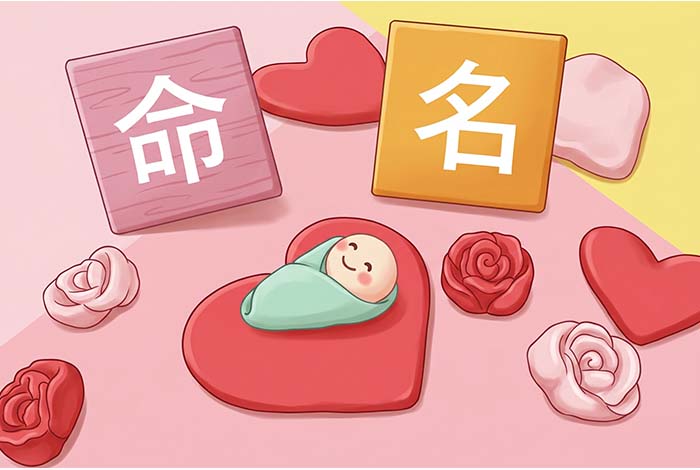
In the United States, naming a child is often about honoring the past. It is incredibly common to name a baby after a beloved grandfather, a famous historical figure, or directly after the father, creating a “John Smith Jr.” or “John Smith III.” In America, a name is primarily a phonetic label with historical significance. But if you look at Japanese families, this tradition simply does not exist. You will never meet a “Ken Watanabe Jr.” in Tokyo. In Japan, simply copying a parent’s exact name is culturally unheard of. Instead, naming a Japanese baby is a deeply philosophical, highly complex puzzle.

The Unlimited Power of Kanji
The reason Japanese names are so unique comes down to the written language: Kanji (Chinese characters). In English, the name “Leo” is always spelled L-E-O. But in Japanese, a name with the exact same sound can be written using dozens of different Kanji combinations, and each character completely changes the meaning! For example, the popular boy’s name “Haruto” could be written with characters meaning “Flying in the clear sky” (晴翔), or it could mean “A distant, warm sun” (陽斗). Parents spend months agonizing over dictionaries, trying to find the absolute perfect visual and philosophical combination of characters.
👉 Want to read more about Japanese demographics and society?
Read Next: Why Do 4,000 Japanese Characters Contain the Word “Woman”? (The Kanji Time Capsule)

A Lifelong Prayer
Furthermore, many Japanese parents consult “Seimei Handan” (name fortune-telling), strictly calculating the number of brush strokes in the Kanji to ensure the name brings good luck, health, and prosperity. Because of this intense process, a Japanese name is never just a random label chosen because it “sounds cool.” It is a customized, lifelong prayer and a profound message from the parents about what kind of character and future they wish for their child. They don’t want the child to be a “Junior” living in their shadow; they want them to forge their own unique destiny based on the beautiful meaning hidden in their Kanji!
▼ Read Next:
🔗 Why Are There Giant Fish Flying in the Japanese Sky? (The Legend of Koinobori)
.
.
Share This Article
Related Articles
Pick Up
- Japan Now! 7,000 Stranded at Narita as Record Rain S...
- Japan Now! Japan Answered. The Monster Falls, and th...
- Japan Now! 156 km/h. Bases Loaded. No Outs. Koshien&...
- Japan Now! She Said Yes. Olympic Champions Riku Miur...
- Pokemon Worlds Takes Over San Francisco, and We Got ...
-

- Japan Now! Doraemon Is Taking a Steam Train to Victo...
- Japan Now! It’s Rice Day in Japan, So Dragon Q...
- Japan Now! The Spear Won. Chiben Wakayama Takes Kosh...
- Japan Now! The Final Four Is Set. Ariake’s Mir...
- Japan Now! Whole Torched Purin on a Crepe. Ise’...
- See more Fun Facts articles >








Latest Articles
- Free Medicare Seminars, Learn the Besics and Review...
- Den’s Tea ...
- Capture Special Memories at Kimono no Kobeya ...
- Recommended for Those on a Diet! Healthy Noodles
- Savor Seasonal Specials at TAKAGI COFFEE!
-

- Daikokuya El Monte Celebrates 10th Anniversary! ...
- Check Out JINS 360°! New Store Now Open!
- Pho-Inspired Asian Spicy Ramen Returns for a Limited...
- Discover JINS’ Revolutionary Multi-Directional Movem...
- Celebrate 10 Years!! Daikokuya El Monte Launches Ann...
- See all articles >