Share This Article



Last updated: March 20, 2026
Beyond the House
Everyone knows the golden rule of visiting Japan: Take your shoes off when entering a house. However, many tourists are surprised to learn that this rule also strictly applies to many public buildings, including elementary schools, traditional clinics, and hot springs (Onsen).
The Wall of Shoes
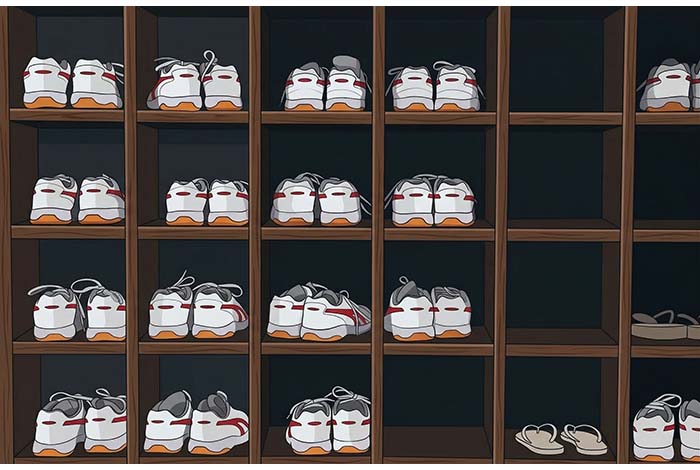
When you enter these buildings, you don’t just leave your shoes in a messy pile. You will immediately face the “Getabako”—a massive wall of small, cubby-like wooden lockers. You must place your dirty street shoes inside and swap them for designated indoor slippers.
👉 Planning a trip to a Japanese Onsen?
Read Next: https://japanupmagazine.com/archives/19200
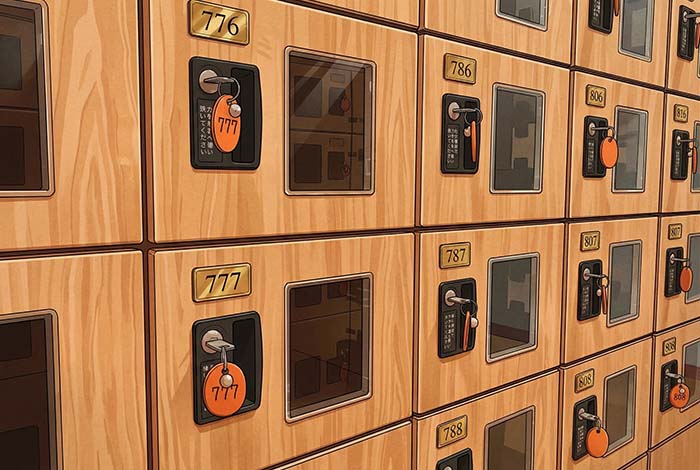
The Wooden Keys
In places like public bathhouses or traditional Izakayas (pubs), these shoe lockers are surprisingly secure. They often feature traditional wooden tags or numbered keys that you pull out to lock the box. You keep the wooden tag in your pocket while you relax, ensuring no one accidentally walks away in your sneakers!
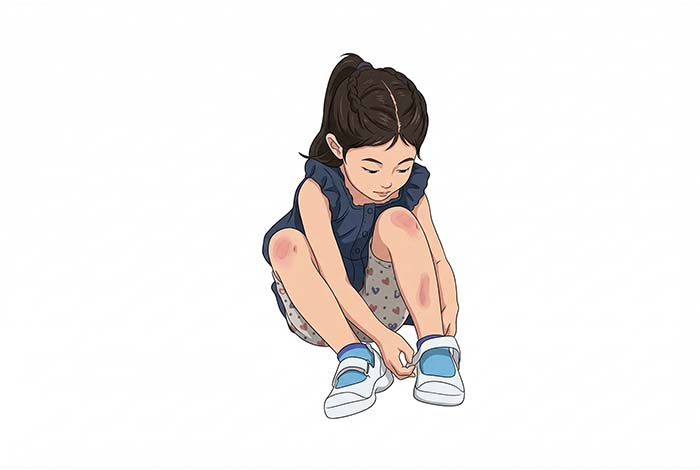
The School Romance
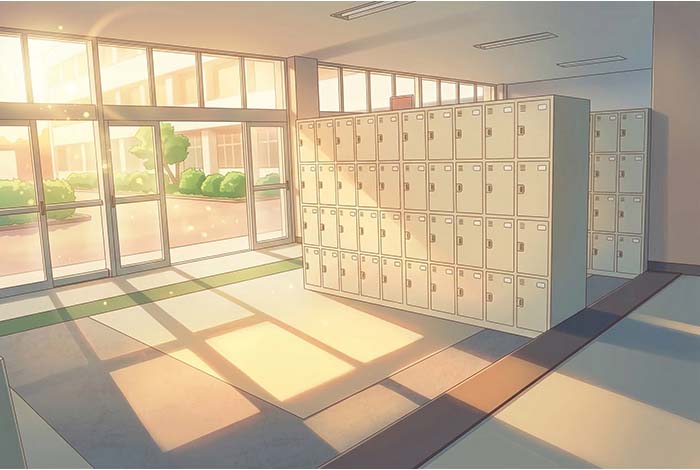
In Japanese pop culture, the school Getabako is legendary. Because every student checks their personal shoe box every morning and afternoon, it has become the classic anime location for students to leave secret love letters, confessions, or Valentine’s Day chocolates for their crushes.
The Cleanliness Mindset
If you are used to walking through American high school hallways or hospitals with the same shoes that stepped in city puddles, the Getabako system might seem like a hassle. But it is the ultimate reason why Japanese indoor floors remain incredibly, famously spotless.
▼ Read Next:
.
.
Share This Article
Related Articles
Pick Up
- Japan Now! Japan Answered. The Monster Falls, and th...
- Japan Now! 7,000 Stranded at Narita as Record Rain S...
- Japan Now! Whole Torched Purin on a Crepe. Ise’...
- Japan Now! The Final Four Is Set. Ariake’s Mir...
- Japan Now! She Said Yes. Olympic Champions Riku Miur...
-

- Pokemon Worlds Takes Over San Francisco, and We Got ...
- Japan Now! It’s Rice Day in Japan, So Dragon Q...
- Japan Now! The Spear Won. Chiben Wakayama Takes Kosh...
- Japan Now! Doraemon Is Taking a Steam Train to Victo...
- Japan Now! 156 km/h. Bases Loaded. No Outs. Koshien&...
- See more Fun Facts articles >










Latest Articles
- WA Dining Suya Enjoy the Flavors of Fall with Limit...
- Free Medicare Seminars, Learn the Besics and Review...
- Den’s Tea ...
- Capture Special Memories at Kimono no Kobeya ...
- Recommended for Those on a Diet! Healthy Noodles
-

- Savor Seasonal Specials at TAKAGI COFFEE!
- Daikokuya El Monte Celebrates 10th Anniversary! ...
- Check Out JINS 360°! New Store Now Open!
- Pho-Inspired Asian Spicy Ramen Returns for a Limited...
- Discover JINS’ Revolutionary Multi-Directional Movem...
- See all articles >