Share This Article



Last updated: June 25, 2026
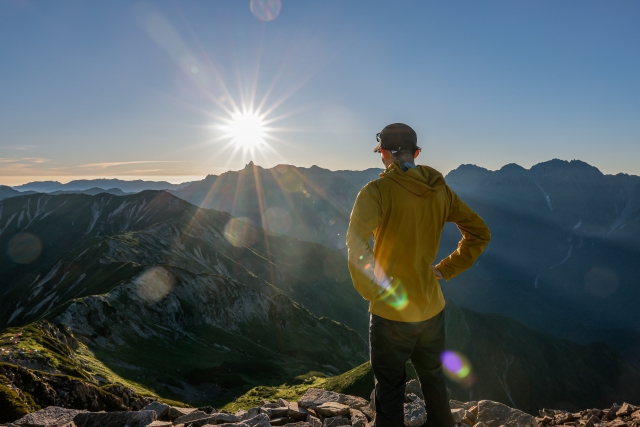
Mt. Fuji is the ultimate postcard image of Japan, drawing hundreds of thousands of hikers every year. But behind those serene sunrise photos lies a growing, costly crisis. Local authorities in Shizuoka Prefecture are officially moving to end “free” rescue operations during the off-season. From now on, if you ignore the warnings and get stuck, the bill is yours.
“【Accidents Successive】Shizuoka Prefecture to Formally Discuss “Charging for Rescues” on Mt. Fuji During the Off-Season
Currently, the cost of rescue operations for stranded climbers is borne by local governments. The Mayor of Fujinomiya urged for the monetization of off-season rescues, stating, “I want the penalties to be a bit stricter. I believe that [rescues] should, first and foremost, be at the climber’s own expense.”
Local authorities in Shizuoka Prefecture are officially moving to end free Mt Fuji rescue operations during the off-season.
Why This Is Sparking Intense Debate in Japan
If you’re from the U.S., you already know that an ambulance ride or an emergency room visit can easily wipe out your savings without great health insurance. But in Japan? The safety net is legendary.

The Zero-Dollar Safety Net: In Japan, ambulances and standard emergency services are entirely funded by local taxes. You call 119, you get saved, and you don’t receive a life-altering bill.
The “Entitlement” Problem: Because healthcare and rescue are so heavily subsidized, it has created a bit of a psychological side effect: people have become conditioned to expect free rescues as a basic public service.
Lately, under-prepared hikers—heavily driven by the post-pandemic inbound tourism boom—have been treating Japan’s tallest volcanic peak like a casual theme park. The Mayor of Fujinomiya recently voiced the public’s boiling frustration, demanding stricter penalties: “I want the penalties to be a bit stricter. I believe that rescues during the off-season should, first and foremost, be at the climber’s own expense.”
Essentially, Japanese taxpayers are tired of footing the bill for someone else’s reckless weekend hobby.
Ignorance, Barricades, and a $2,000 Fine
Here’s the reality check: Mt. Fuji’s official climbing season is incredibly short—only about two months, from July to early September. Outside of this window, the trails are strictly closed by law for safety reasons.

If you bypass the gates during the off-season, you’re not just being adventurous; you’re breaking the law. Violators face up to six months in prison or a 300,000 yen (approx. $2,000 USD) fine. Yet, news cameras recently captured group after group of foreign tourists slipping right past the wooden barricades just to get a good selfie, with many casually admitting they “had no idea” the mountain was closed.
And when things go wrong, they go wrong fast. In a chilling rescue video released by the police, a foreign couple slid down the icy slopes of the 7th station in late April. It took a rescue team nine agonizing hours in freezing, gale-force winds to carry the female hiker down—she had suffered severe facial fractures. In 2025 alone, mountain distress cases in Japan hit an all-time high of 3,623 people, with stranded foreign tourists spiking to a record 246.
The Financial Reality of Getting Lost
Here is a unique legal loophole about Japanese rescues that even many domestic hikers don’t realize until it’s too late:

The Police are free, but the neighbors are not.
If the official police or municipal fire department rescue teams come to pull you off the slopes, it’s covered by local taxes. But if a search is complicated and the local government has to call in the Volunteer Fire Corps (Shōbōdan) or private civilian search teams, you will be billed for every single person involved.
By Japanese custom, these local volunteers risk their lives and are paid a daily allowance (typically $100 to $300 per person, per day) out of the town’s pocket initially. If your rescue takes three days and requires a grid search of 30 volunteers, you will be handed a surprise invoice exceeding $10,000 upon your return to safety.
With Shizuoka Prefecture officially forming a specialized working group alongside law enforcement, Mt. Fuji is about to become a strict “pay-to-be-saved” zone during the dangerous winter and spring months—a stark warning to global travelers that nature doesn’t come with a complimentary safety net.
Share This Article
Related Articles
Pick Up
- Japan Now! 7,000 Stranded at Narita as Record Rain S...
- Japan Now! Japan Answered. The Monster Falls, and th...
- Japan Now! The Final Four Is Set. Ariake’s Mir...
- Pokemon Worlds Takes Over San Francisco, and We Got ...
- Japan Now! Whole Torched Purin on a Crepe. Ise’...
-

- Japan Now! The Spear Won. Chiben Wakayama Takes Kosh...
- Japan Now! 156 km/h. Bases Loaded. No Outs. Koshien&...
- Japan Now! She Said Yes. Olympic Champions Riku Miur...
- Japan Now! It’s Rice Day in Japan, So Dragon Q...
- Japan Now! Doraemon Is Taking a Steam Train to Victo...
- See more Fun Facts articles >








Latest Articles
- Free Medicare Seminars, Learn the Besics and Review...
- Den’s Tea ...
- Capture Special Memories at Kimono no Kobeya ...
- Recommended for Those on a Diet! Healthy Noodles
- Savor Seasonal Specials at TAKAGI COFFEE!
-

- Daikokuya El Monte Celebrates 10th Anniversary! ...
- Check Out JINS 360°! New Store Now Open!
- Pho-Inspired Asian Spicy Ramen Returns for a Limited...
- Discover JINS’ Revolutionary Multi-Directional Movem...
- Celebrate 10 Years!! Daikokuya El Monte Launches Ann...
- See all articles >