Share This Article



Last updated: March 20, 2026
The Mystery of the Chewy Treat
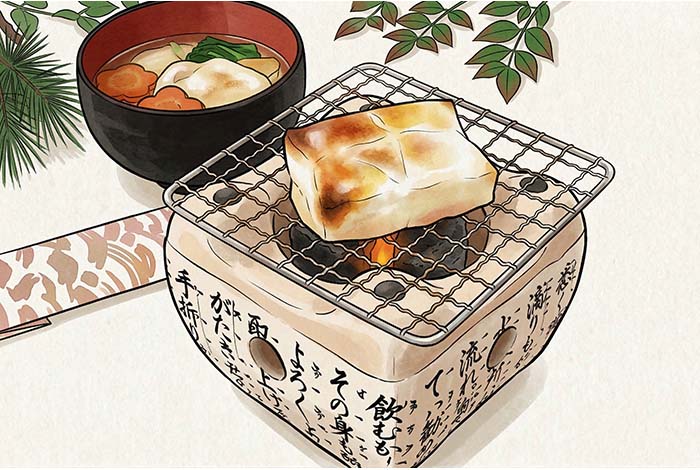
Mochi is now a massive trend worldwide, famous for wrapping around ice cream or being dipped in sweet soy sauce. It is known for its incredibly chewy, stretchy texture. But here is a fact many foreigners don’t realize: you cannot make real mochi by just mashing up your everyday dinner rice.
Two Different Breeds
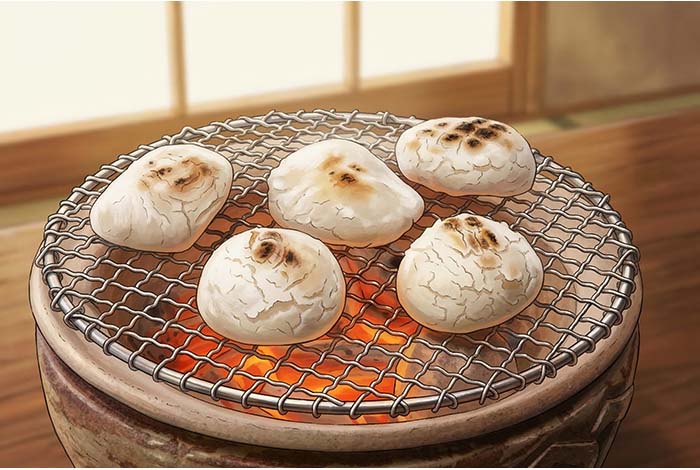
Japan grows two entirely distinct categories of rice. The normal, everyday white rice you eat with sushi or curry is called “Uruchimai.” Mochi, however, is strictly made from a completely different, specialized breed of grain called “Mochigome” (Glutinous Rice).
The Chemistry of Stickiness
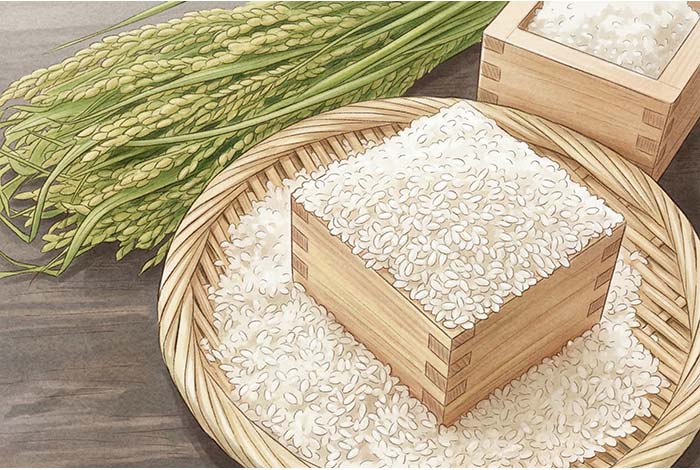
What makes them different? It is all about the chemistry of starch. Normal rice contains a mix of starches, giving it a fluffy bite. Mochigome is almost 100% pure amylopectin starch. When Mochigome is steamed and pounded, this specific starch breaks down into that glorious, super-sticky, elastic dough we all love.
👉 Want to master Japanese grocery shopping?
Read Next: https://japanupmagazine.com/archives/19408
Beyond the Sweet Mochi
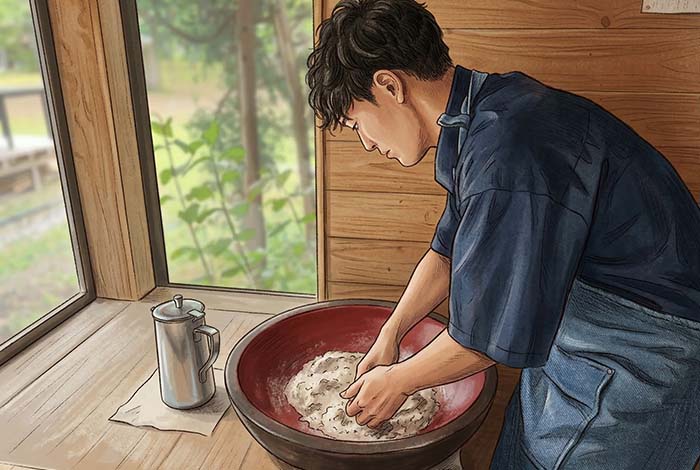
Mochigome isn’t just for sweet desserts. Because of its brilliant chewy texture, Japanese chefs use this special sticky rice for savory traditional dishes too! It is the core ingredient in “Sekihan” (festive red bean rice) and “Chimaki” (savory meat and rice steamed in bamboo leaves).
Finding it in LA
If you wander the aisles of a Japanese supermarket in the South Bay area, you will see massive bags of standard Uruchimai. But look closer, and you will find smaller bags labeled “Sweet Rice” or “Glutinous Rice.” Buying Mochigome is your first step to making real, traditional Japanese festival food right in your own kitchen!
▼ Read Next:
🔗 https://japanupmagazine.com/archives/18895
.
.
Share This Article
NEW MAGAZINE

Related Articles
Pick Up
- Two Luxurious New Wafu Noodle Dishes Arrive at Takag...
- Tempura Carlos Jr. EXPRESS Opens in the Mitsuwa Del ...
- HINODEYA Little Tokyo Launches a Dodgers Game-Day Combo
- The Secret Engineering Inside Your Rice Soup: Why Do...
- Grand Opening of a Massive New Store in Little Tokyo...
-

- Limited Time! RAKKAN Ramen’s Summer Special Menu
- 85°C Bakery Cafe Matcha Fair Now in Full Swing for J...
- TAKUMA IZAKAYA’s Daily Special Bento Is a Sant...
- The Shifting Shelves: Why Does Japan Change Its Conv...
- The $200 Melon: Why Are Fruits Treated Like Rolex Wa...
- See more Fun Facts articles >






Latest Articles
- Binge-Watch The Solitary Gourmet on Channel Oishii
- Japan Now! Japan Is Building Its Own Santa Monica, a...
- Kendo Trial Class in SFV area: Beginners Welcome in ...
- Watch Japanese Anime Free on Channel Oishii, No Sign...
- Japan Now! Ultraman Turns 60! Japan Celebrates Ultra...
-

- Japan Now! 4 Years Since the Shinzo Abe Assassinatio...
- Japan Now! It’s Tanabata! Why All of Japan Is ...
- Japan Now! New Sword Art Online Movie “Integra...
- JAPANESE SAMURAI / Motoori Norinaga
- Japan Now! A “Once in a Decade” Heatwave...
- See all articles >