Share This Article



A Mysterious Welcome
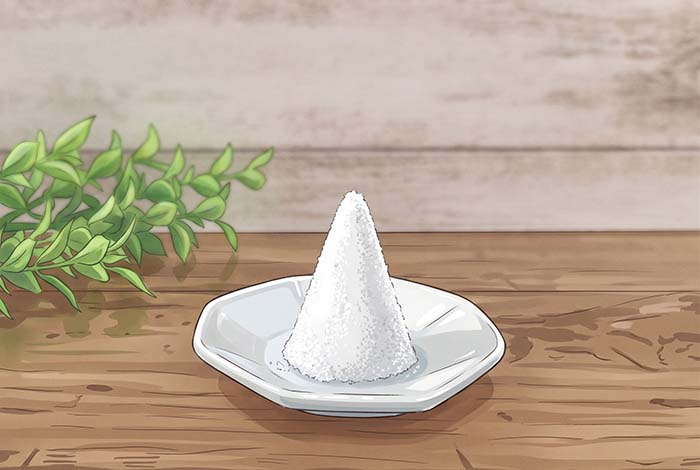
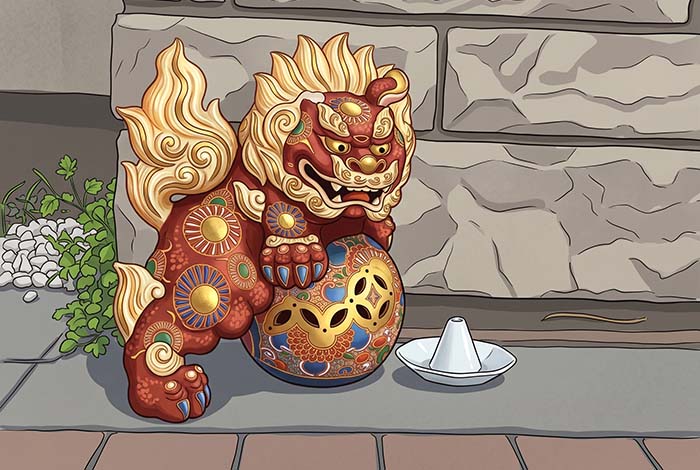
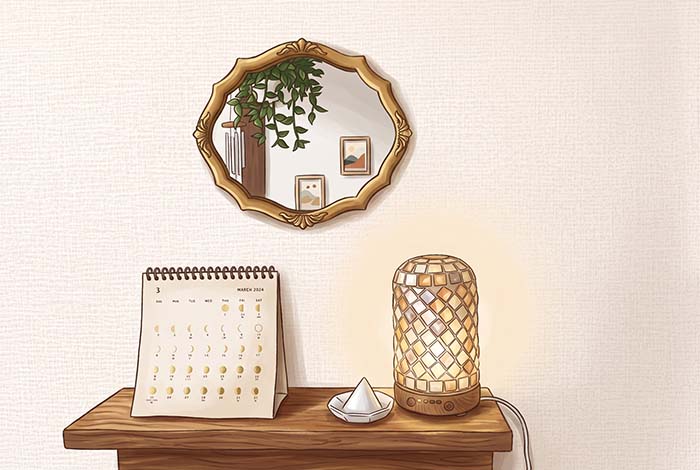
If you are walking through a traditional Japanese neighborhood or visiting a local restaurant, you might notice something peculiar on the ground near the entrance. Sitting on a small ceramic plate are two perfectly shaped, miniature cones of white salt. This practice is called “Mori-shio” (mounded salt). To a visitor from Los Angeles, it might look like a strange cleaning accident or a tiny art project. However, these little salt towers are part of an ancient and deeply respected spiritual tradition that has been practiced in Japan for over a thousand years.
Purification and Protection
The primary purpose of Mori-shio is “Oharai”—purification and protection from evil. In the Shinto religion, salt is considered a powerful cleansing agent that has the ability to ward off bad luck and keep malevolent spirits from entering a building. By placing these salt mounds at the entrance, the owner is essentially creating a spiritual “filter” to ensure that only good energy enters the space. It is very common to see them at the doors of restaurants, bars, and traditional shops, as they are also believed to bring prosperity and attract customers to the business.
👉 Want to read more about Japanese demographics and society?
Read Next: More Than a Stamp Rally: The Spiritual Art of “Goshuin” Collecting
The Art of the Salt Cone
Creating Mori-shio is an art form in itself. People often use special molds to create perfectly sharp, geometric pyramids or cones, as the sharp tip is believed to be more effective at catching bad energy. To keep the protection active, the salt must be replaced regularly, usually twice a month on the 1st and the 15th. While modern skyscrapers in Tokyo may not always have them, this silent, salty tradition remains a visible reminder of how modern Japanese life is still deeply connected to ancient spiritual rituals designed to invite peace and success.
▼ Read Next:
🔗 Why Are Japanese People Hanging Little Bags on Their Bags? (The “Omamori” Magic)
.
.
Share This Article
NEW MAGAZINE

Related Articles
Pick Up
- Japan Now! What Is Typhoon Season in Japan, and Shou...
- Japan Now! A “Once in a Decade” Heatwave...
- Japan Now! Why a Tiny Japanese Rubber Stamp Just Too...
- Japan Now! Why Are Japanese Teens Obsessed with R...
- Japan Now! Samurai Blue Stun Brazil with an Early Le...
-

- Japan Now! BE:FIRST Drop New Song “MissingR...
- Japan Now! New Sword Art Online Movie “Integra...
- Japan Now! 4 Years Since the Shinzo Abe Assassinatio...
- Japan Now! Why Did Male Artists Just Sweep ALL 10 of...
- Japan Now! It’s Tanabata! Why All of Japan Is ...
- See more Fun Facts articles >








Latest Articles
- How Japanese Companies in the US Hire Bilingual Tale...
- Binge-Watch The Solitary Gourmet on Channel Oishii
- GreeNoodle: Healthy Organic Instant Noodles Made wit...
- New at Garlic High: Yuzu Seafood Tsukemen, for a Lim...
- Kendo Trial Class in SFV area: Beginners Welcome in ...
-

- Watch Japanese Anime Free on Channel Oishii, No Sign...
- Like Tempura Carlos Jr. EXPRESS on Instagram and Get...
- Limited Time! RAKKAN Ramen’s Summer Special Menu
- Two Luxurious New Wafu Noodle Dishes Arrive at Takag...
- JAPANESE SAMURAI / Motoori Norinaga
- See all articles >