Share This Article



A Mysterious Welcome
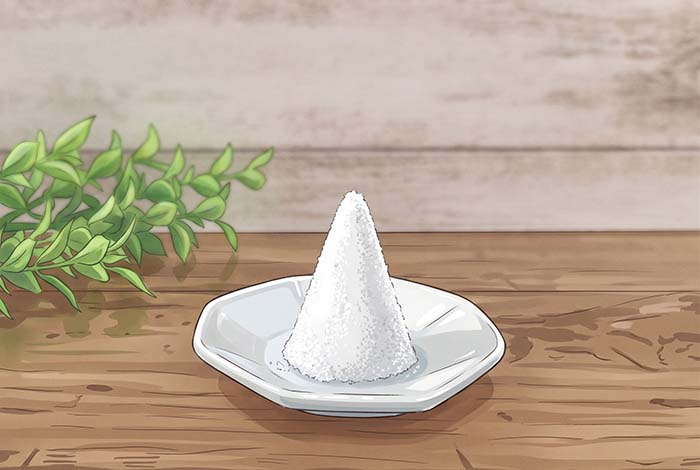
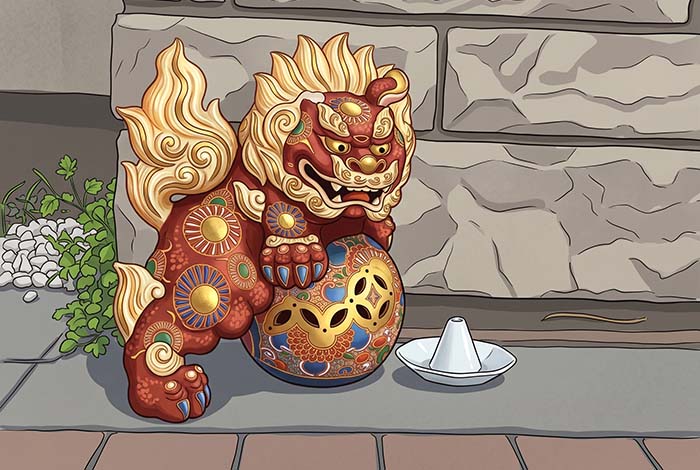
If you are walking through a traditional Japanese neighborhood or visiting a local restaurant, you might notice something peculiar on the ground near the entrance. Sitting on a small ceramic plate are two perfectly shaped, miniature cones of white salt. This practice is called “Mori-shio” (mounded salt). To a visitor from Los Angeles, it might look like a strange cleaning accident or a tiny art project. However, these little salt towers are part of an ancient and deeply respected spiritual tradition that has been practiced in Japan for over a thousand years.
Purification and Protection
The primary purpose of Mori-shio is “Oharai”—purification and protection from evil. In the Shinto religion, salt is considered a powerful cleansing agent that has the ability to ward off bad luck and keep malevolent spirits from entering a building. By placing these salt mounds at the entrance, the owner is essentially creating a spiritual “filter” to ensure that only good energy enters the space. It is very common to see them at the doors of restaurants, bars, and traditional shops, as they are also believed to bring prosperity and attract customers to the business.
👉 Want to read more about Japanese demographics and society?
Read Next: More Than a Stamp Rally: The Spiritual Art of “Goshuin” Collecting
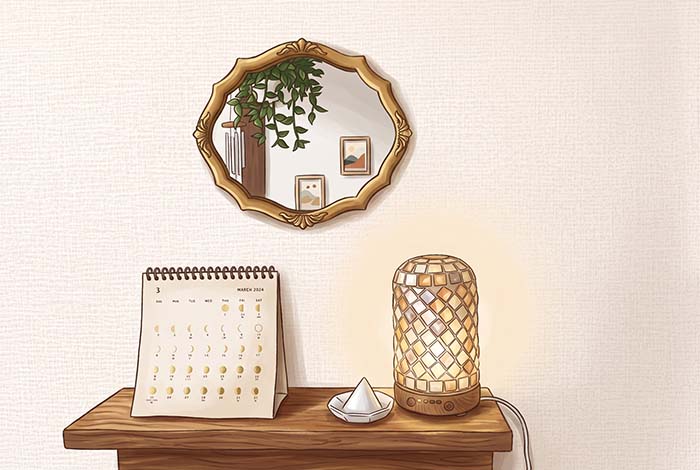
The Art of the Salt Cone
Creating Mori-shio is an art form in itself. People often use special molds to create perfectly sharp, geometric pyramids or cones, as the sharp tip is believed to be more effective at catching bad energy. To keep the protection active, the salt must be replaced regularly, usually twice a month on the 1st and the 15th. While modern skyscrapers in Tokyo may not always have them, this silent, salty tradition remains a visible reminder of how modern Japanese life is still deeply connected to ancient spiritual rituals designed to invite peace and success.
▼ Read Next:
🔗 Why Are Japanese People Hanging Little Bags on Their Bags? (The “Omamori” Magic)
.
.
Share This Article
Related Articles
Pick Up
- Pokemon Worlds Takes Over San Francisco, and We Got ...
- Japan Now! The Spear Won. Chiben Wakayama Takes Kosh...
- Japan Now! The Final Four Is Set. Ariake’s Mir...
- Japan Now! Doraemon Is Taking a Steam Train to Victo...
- Japan Now! Whole Torched Purin on a Crepe. Ise’...
-

- Japan Now! 7,000 Stranded at Narita as Record Rain S...
- Japan Now! 156 km/h. Bases Loaded. No Outs. Koshien&...
- Japan Now! She Said Yes. Olympic Champions Riku Miur...
- Japan Now! Japan Answered. The Monster Falls, and th...
- Japan Now! It’s Rice Day in Japan, So Dragon Q...
- See more Fun Facts articles >








Latest Articles
- Looking for a Car? Visit South Bay Toyoya! Reliable...
- WA Dining Suya Enjoy the Flavors of Fall with Limit...
- Free Medicare Seminars, Learn the Besics and Review...
- Den’s Tea ...
- Capture Special Memories at Kimono no Kobeya ...
-

- Recommended for Those on a Diet! Healthy Noodles
- Savor Seasonal Specials at TAKAGI COFFEE!
- Daikokuya El Monte Celebrates 10th Anniversary! ...
- Check Out JINS 360°! New Store Now Open!
- Pho-Inspired Asian Spicy Ramen Returns for a Limited...
- See all articles >