Why Do Japanese People Hang White Ghosts in Their Windows? (The “Teru Teru Bozu” Magic)

Not a Halloween Decoration If you visit Japan in June, you might see small, white, ghost-like figures made of cloth or tissue paper hanging from house windows and school eaves. Don’t worry, it isn’t an early Halloween celebration. These are “Teru Teru Bozu” (Sunshine Monks). The Weather Magic Teru Teru Bozu are traditional handmade amulets designed to stop the rain. When Japanese kids have a highly anticipated outdoor event the next day—like a sports festival or a school field trip—they will desperately craft these little figures and hang them up, praying for sunny skies. The Dark Origin Story Despite their…

View More Why Do Japanese People Hang White Ghosts in Their Windows? (The “Teru Teru Bozu” Magic)

Grand Reopening in Santa Monica! Play Japanese Gacha & UFO Catchers at Gacha & Catch

The ultimate collaboration between Japanese toy giants SEGA and Takara Tomy, “Gacha & Catch,” opened its doors on November 22, 2025, at the Santa Monica Third Street Promenade. Two months in, this pop-up store is buzzing with excitement and hosting various events!

View More Grand Reopening in Santa Monica! Play Japanese Gacha & UFO Catchers at Gacha & Catch

Why Do Japanese Kids Hide Their Belly Buttons During a Thunderstorm? (The “Raijin” Myth)

The Scary Thunder God Summer in Japan brings intense, sudden thunderstorms. When the sky turns black and thunder rumbles, you might see Japanese grandmothers rushing to tell children, “Hide your belly button, or the Thunder God will steal it!” The Myth of Raijin In Japanese mythology, “Raijin” is a fearsome, muscular god of lightning who beats on drums to create thunder. According to old folklore, he loves to eat children’s belly buttons. To protect themselves, kids must cross their arms over their stomachs and hunch over. The Hidden Wisdom (Health) Why did this bizarre legend start? It is actually practical…

View More Why Do Japanese Kids Hide Their Belly Buttons During a Thunderstorm? (The “Raijin” Myth)

Head or Tail? The Ultimate Japanese Street Food Debate (The “Taiyaki” Dilemma)

The Lucky Fish Pancake If you walk past a Japanese festival or a small street-side stall, the sweet smell of batter baking will pull you in. This is “Taiyaki”—a hot, fish-shaped waffle-like pancake. The shape of the sea bream (“Tai”) represents good luck in Japan. Traditional vs. Modern Traditionally, Taiyaki is stuffed with sweet, steaming red bean paste (Anko). However, modern stalls have evolved to satisfy every craving. Today, you can easily find them filled with rich vanilla custard, melted chocolate, matcha cream, and even savory options like cheese or curry. The Great Debate But eating Taiyaki comes with a…

View More Head or Tail? The Ultimate Japanese Street Food Debate (The “Taiyaki” Dilemma)

Why Traditional Japanese Sushi Chefs Didn’t Serve Salmon (The Norwegian Sushi Revolution)

The Global Superstar If you go to a sushi restaurant in Los Angeles, Paris, or London, Salmon is undoubtedly the star of the show. Its buttery, bright orange slices are the undisputed king of global sushi. But in Japan, the history of raw salmon is shockingly recent. The Parasite Problem In the Showa era (mid-20th century) and earlier, you would never find raw salmon at a Japanese sushi restaurant. Wild Pacific salmon carried a high risk of parasites (like Anisakis). Therefore, Japanese people strictly cooked their salmon—grilling or heavily salting it for breakfast. The Norwegian Innovation Everything changed in the…

View More Why Traditional Japanese Sushi Chefs Didn’t Serve Salmon (The Norwegian Sushi Revolution)

Why Do You Have to Rotate the Cup? (The Hidden Choreography of Japanese Tea)

More Than Just a Drink In America, getting tea usually involves throwing a bag into boiling water and rushing out the door. But in Japan, “Sado” (the traditional Tea Ceremony) transforms the simple act of preparing and drinking Matcha into an intricate, meditative art form. The Choreography of Tea When you attend a tea ceremony, you will notice that every single movement is highly choreographed. From how the host folds the silk cloth to the exact angle the hot water is poured, there are strict rules. It is a slow, silent dance designed to focus the mind completely on the…

View More Why Do You Have to Rotate the Cup? (The Hidden Choreography of Japanese Tea)

What Is the Singing Truck Driving Slowly Through Japanese Streets? (The “Yaki-Imo” Nostalgia)

The Mysterious Melody If you walk through a quiet residential street in Japan during winter, you might hear a slow, hauntingly nostalgic melody echoing in the distance. A deep voice sings out over a loudspeaker: “Ishi yaaaaki-imo…” What is going on? The Mobile Stone Oven This is the “Ishi Yaki-Imo” (Stone-Roasted Sweet Potato) truck. It is usually a tiny “Kei” (mini) truck equipped with a traditional stone oven in the back. The vendor drives at a crawling speed, selling piping hot, incredibly sweet roasted sweet potatoes straight from the hot stones. The Showa Era Magic Today, you can easily buy…

View More What Is the Singing Truck Driving Slowly Through Japanese Streets? (The “Yaki-Imo” Nostalgia)

Why Are There Hundreds of Rice Balls in the Supermarket? (The “Onigiri” Universe)

The Ultimate Fast Food The greatest fast food in Japan isn’t a burger; it’s the “Onigiri” (Rice Ball). It is cheap, filling, and famously wrapped in a brilliant plastic film engineered to keep the roasted seaweed crispy until the exact second you bite into it. The Endless Aisle If you walk into a Japanese convenience store (Konbini) or supermarket, you will be shocked by the sheer volume of choices. There aren’t just three or four standard options. There are literally hundreds of varieties lining the shelves, creating an overwhelming wall of rice! The Classic Trinity Of course, you can easily…

View More Why Are There Hundreds of Rice Balls in the Supermarket? (The “Onigiri” Universe)

What Happens If You Lose Your Wallet in Tokyo? (The Lost and Found Miracle)

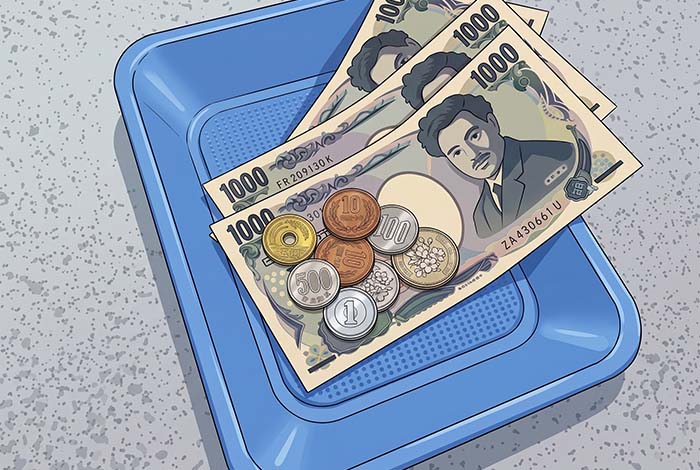
The Ultimate Panic Losing your wallet while traveling is a nightmare. In most countries, if you drop it on a busy street, you immediately panic, cancel your credit cards, and painfully accept that your cash is gone forever. The Japanese Miracle In Japan, however, you shouldn’t give up hope. You actually have a surprisingly high chance of getting it back—with all the cash and credit cards perfectly untouched inside! This honest reality is one of the most shocking and heartwarming cultural differences for foreign tourists. The “Koban” System Why does this happen? Japan has an amazing network of tiny neighborhood…

View More What Happens If You Lose Your Wallet in Tokyo? (The Lost and Found Miracle)

Why Is the Japanese Summer So Incredibly Loud? (The “Semi” Soundtrack)

The Deafening Buzz Summer weather is different everywhere. But if you step outside in Japan during July or August, you will be hit by a literal wall of sound. It is a deafening, continuous, vibrating buzz coming from every single tree. The Symbol of Summer This is the sound of “Semi” (Cicadas). For Japanese people, summer hasn’t officially started until they hear this intense bug chorus. It is the ultimate soundtrack of the season, and you will hear it in the background of almost every summer anime or Japanese movie ever made. The Fleeting Life There is a poetic reason…

View More Why Is the Japanese Summer So Incredibly Loud? (The “Semi” Soundtrack)

Why Are Japanese People Hanging Little Bags on Their Bags? (The “Omamori” Magic)

The Divine Keychain If you look closely at a Japanese student’s backpack or a businessman’s briefcase, you will often spot a tiny, beautifully embroidered silk bag hanging like a keychain. These are not fashion accessories; they are portable magic called “Omamori” (Amulets). Buying a Wish When Japanese people visit Shinto shrines or Buddhist temples, they buy these Omamori. They usually cost around 500 to 1,000 yen. Inside the small fabric bag is a small piece of wood or paper with a prayer written on it by the priests. It is believed to contain the power of the gods. Highly Specific…

View More Why Are Japanese People Hanging Little Bags on Their Bags? (The “Omamori” Magic)