Share This Article



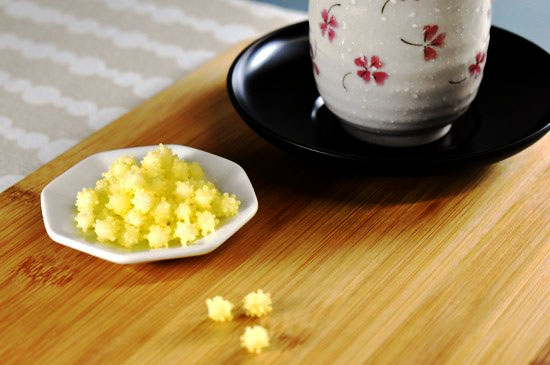
Do you know the “Ukihoshi”?
A traditional Japanese candy, which was originally called ‘Yukari’.
They are a wonderful example of the craftsmanship that characterizes traditional Japanese sweets.
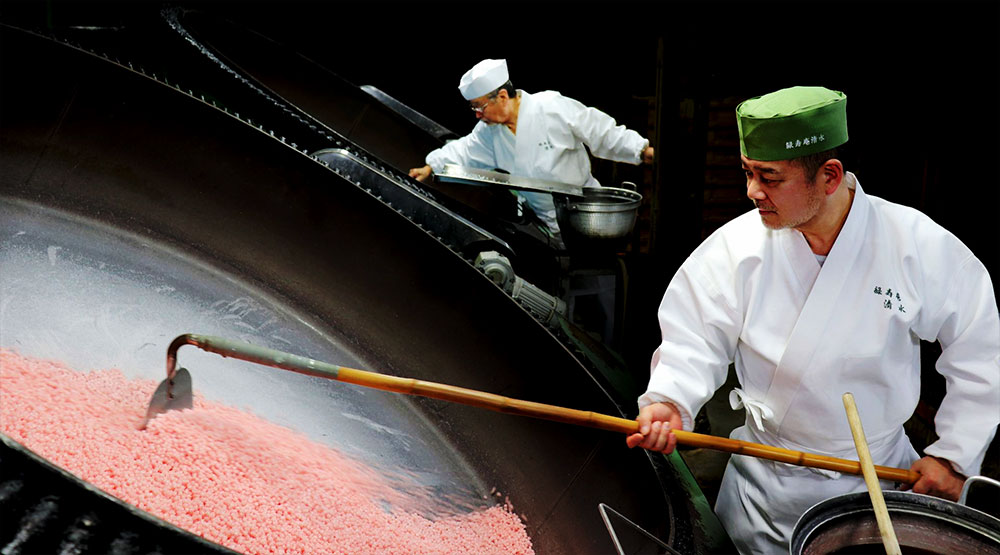
The creation of this candy was created by craftsmen of Niiagata, during the long winter periods, more than 115 years ago.
Yukari is actually a grain of glutinous rice slowly heated and coated in honey powder.
Originally, “Yukari” was drunk by pouring hot water over the seeds.
The sweet honey around it melted and the grain rose to the surface, which must have amused the children, drinking, eating their sweet drinks.
Famous and loved 100 years ago by the citizens of Niigata as “Yukari”, it lost its popularity year by year.
A certain Mr. Kobayashi, a resident and souvenir trader in Niiagata, contacted one of the last families to make Yukari and sold it mainly in this city.
He suggested that they relaunch production and distribution throughout Japan around 2014.
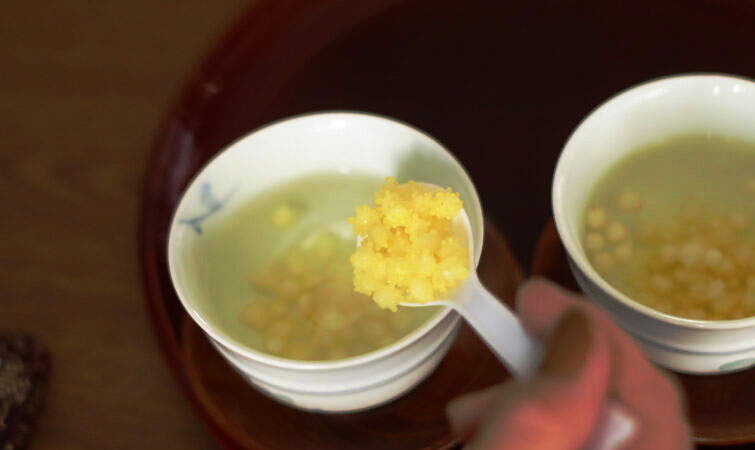
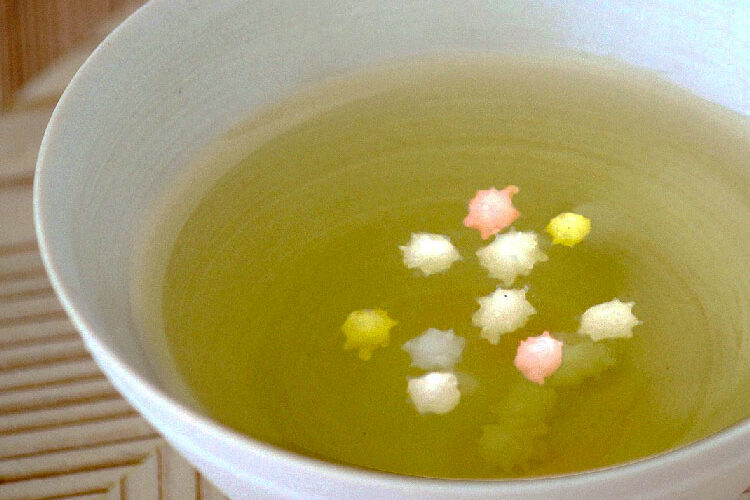
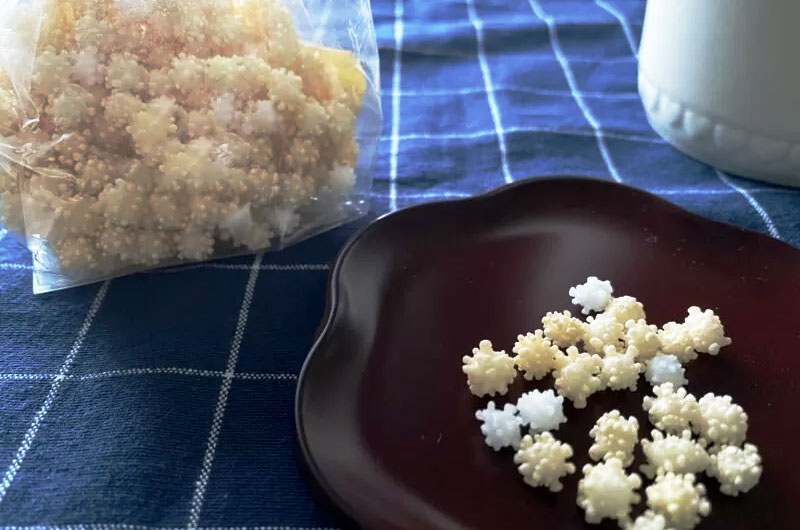
Unable to use the name Yukari, they thought of Ukihoshi, which means “Floating Stars” and adapted the product with several flavors (and colors)
You should know that the working time for a color is one day. (+- 9 hou
New colorful packaging with different pattern, reminiscent of Niiagata, was presented.
In February 2015, the “Floating star” was presented at the Tokyo trade fair.
The success was quick, the media talked about it, the representatives ordered it and since then the Yukari (Ukihochi) has come back to life throughout Japan.
Children can once again drink and eat while having fun…

Not to be confused with the konpeitō which looks like it and which is a sugar syrup candy imported in the 16th century by the Portuguese.
But that’s another story…
Writer: Jacky De Greef
Website: https://abcsolution.wixsite.com/discovery-kyoto
Kyoto and Japan Disvovery FB: https://www.facebook.com/DiscoveryKyoto/
Books “Discovery Kyoto”: https://abcsolution.wixsite.com/discovery-kyoto/books
(6/24/2022)
Share This Article
Related Articles
Pick Up
- Japan Now! It’s Rice Day in Japan, So Dragon Q...
- Japan Now! 156 km/h. Bases Loaded. No Outs. Koshien&...
- Japan Now! She Said Yes. Olympic Champions Riku Miur...
- Pokemon Worlds Takes Over San Francisco, and We Got ...
- Japan Now! The Spear Won. Chiben Wakayama Takes Kosh...
-

- Japan Now! Japan Answered. The Monster Falls, and th...
- Japan Now! The Final Four Is Set. Ariake’s Mir...
- Japan Now! Doraemon Is Taking a Steam Train to Victo...
- Japan Now! Whole Torched Purin on a Crepe. Ise’...
- Japan Now! 7,000 Stranded at Narita as Record Rain S...
- See more TRADITIONAL CULTURE articles >








Latest Articles
- WA Dining Suya Enjoy the Flavors of Fall with Limit...
- Free Medicare Seminars, Learn the Besics and Review...
- Den’s Tea ...
- Capture Special Memories at Kimono no Kobeya ...
- Recommended for Those on a Diet! Healthy Noodles
-

- Savor Seasonal Specials at TAKAGI COFFEE!
- Daikokuya El Monte Celebrates 10th Anniversary! ...
- Check Out JINS 360°! New Store Now Open!
- Pho-Inspired Asian Spicy Ramen Returns for a Limited...
- Discover JINS’ Revolutionary Multi-Directional Movem...
- See all articles >