Shin-Sen-Gumi Hakata Ramen in Rosemead is celebrating the New Year with a special campaign, “Cheers to 2026,” running now through Saturday, January 31st.
View More Curry Favorite ZEN Henderson Location — NOW OPEN!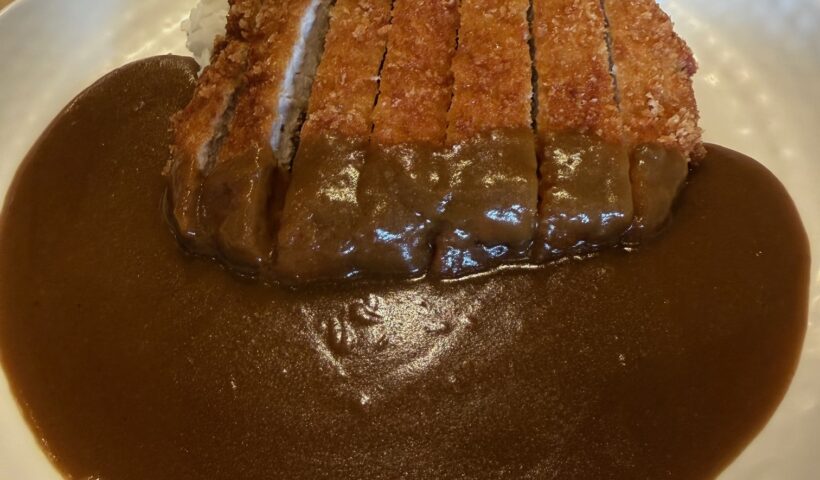

Shin-Sen-Gumi Hakata Ramen in Rosemead is celebrating the New Year with a special campaign, “Cheers to 2026,” running now through Saturday, January 31st.
View More Curry Favorite ZEN Henderson Location — NOW OPEN!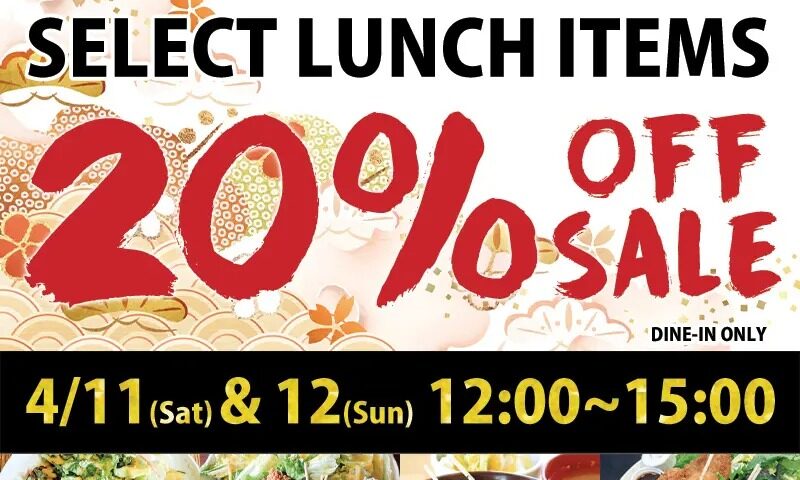
To celebrate 33 years of lunch service, Shinsengumi Yakitori Gardena Main Store is holding a special 2-day anniversary sale on April 11 (Sat) and 12 (Sun). From 12 PM to 3 PM only, enjoy 20% off four of our most popular lunch items: Yakitori Plate, Yakitori Bowl, Shinsengumi Combo Plate, and DX Shinsengumi Combo Plate. This exclusive in-store promotion is our way of saying thank you for 33 wonderful years—don’t miss out on these special two days! 📍 18517 S.Western Ave. Gardena, CA 90248☎️310-715-1588📱@shinsengumiyakitori
View More Shinsengumi Yakitori Gardena Main Store33rd Anniversary Lunch Sale!
The American Slice In the United States, a standard loaf of sandwich bread comes pre-sliced into about 20 thin, slightly dry pieces. It is functional, but not exactly a luxury culinary experience. If you order toast at a Japanese cafe, however, you are in for a massive, fluffy shock. The “Shokupan” Slabs In Japan, bread is a serious craft. The standard white bread, known as “Shokupan,” is naturally sweeter, milkier, and unbelievably soft. But the biggest difference is how it is sliced. Japanese supermarkets typically sell loaves cut into just 4, 5, or 6 massive, thick slabs. The Kissaten Masterpiece…
View More Why Is Japanese Toast So Ridiculously Thick? (The “Shokupan” Culture)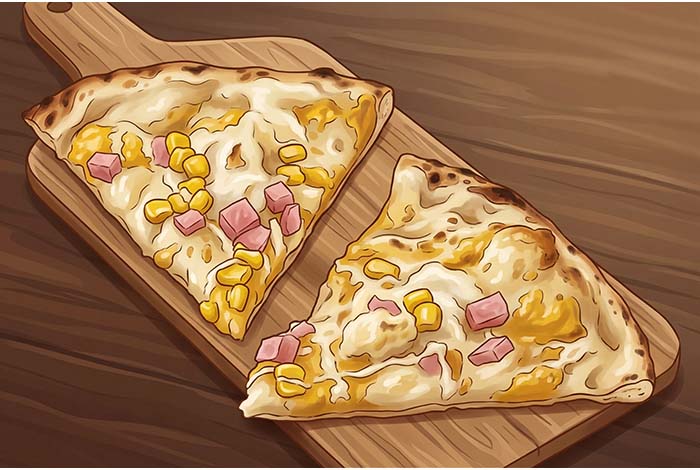
The Great Pizza Debate In America, the ultimate pizza debate is whether or not pineapple belongs on a slice. But if you travel to Japan, the pineapple argument feels irrelevant. Japanese pizza delivery menus feature a topping combination that leaves many foreigners completely speechless: Mayonnaise and Sweet Corn. The Yellow and White Pie Yes, you read that right. “Mayo-Corn Pizza” is an absolute staple in Japan. A standard dough crust is baked with melted cheese, heavily sprinkled with bright yellow sweet corn, and then aggressively drizzled with a thick, zig-zag lattice of creamy Japanese mayonnaise. The Childhood Favorite To an…
View More Is This the Most Controversial Pizza in Japan? (The Mayo-Corn Shock)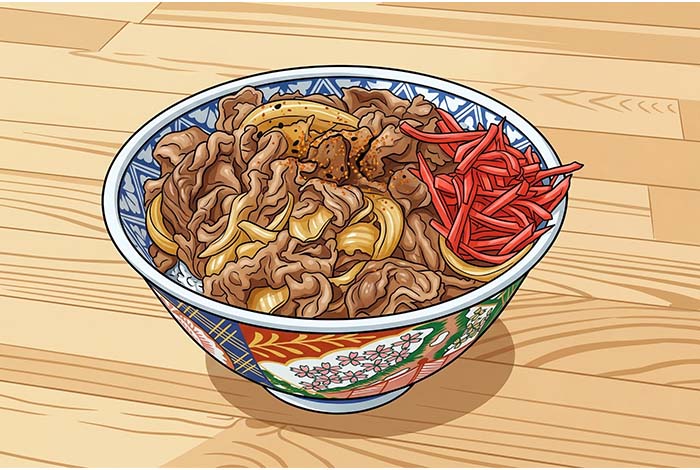
The Drive-Thru Illusion In Los Angeles, “fast food” usually means waiting in a drive-thru line for 5 to 10 minutes to get a burger. But in Japan, the standard for “fast” is completely different. If you walk into a Japanese beef bowl chain, your food might arrive before you even finish taking off your coat. The Gyudon Empire This is the magic of “Gyudon” (Beef Bowl) restaurants like Yoshinoya, Sukiya, and Matsuya. They serve a deeply comforting, hot bowl of rice topped with thinly sliced beef and onions simmered in a sweet soy-sauce broth. It is the absolute lifeline for…
View More How Fast Is Japanese Fast Food? (The 30-Second “Gyudon” Miracle)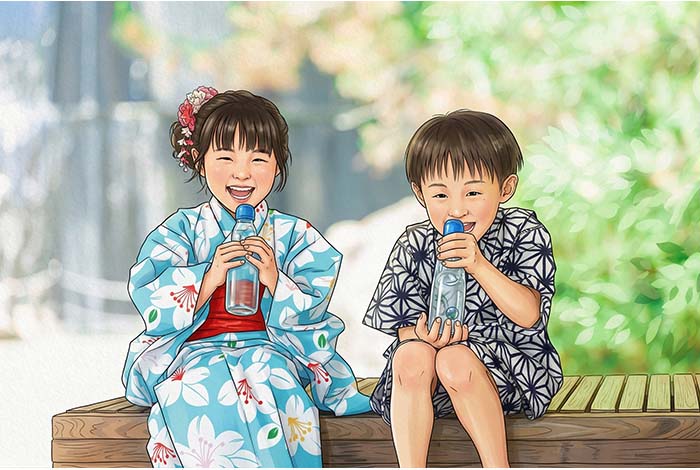
The Summer Night Market Summer in Japan is synonymous with “Matsuri” (traditional festivals). When a local shrine holds a festival, the surrounding streets are completely transformed by endless rows of colorful, glowing pop-up tents. These are the “Yatai”—the ultimate Japanese street food stalls. The Holy Trinity of Street Food While SoCal has its famous taco trucks and Eloteros, a Japanese Yatai offers a completely different, intensely savory menu. The undisputed kings of the festival are “Takoyaki” (molten, savory octopus balls) and “Yakisoba” (sizzling stir-fried noodles cooked on massive iron plates). The smell of sweet soy sauce and grilled squid fills…
View More Why Is Japanese Festival Food So Addictive? (The “Yatai” Summer Magic)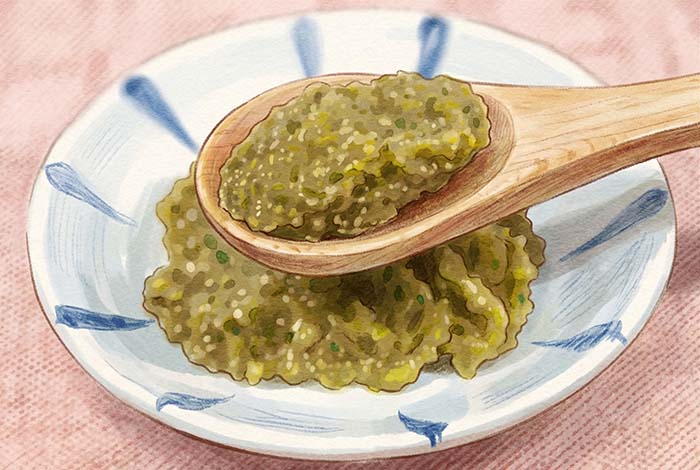
The Ultimate Citrus Spice If you are a fan of spicy food, your fridge in LA is probably stocked with Sriracha, Jalapeños, or Cholula. But in Japan, there is an elite, intensely flavorful condiment that will completely change the way you eat chicken and hot pot: “Yuzu Kosho.” The Translation Trap If you translate the name literally, it seems simple. “Yuzu” is Japan’s famous, highly aromatic citrus fruit. “Kosho” translates to “Black Pepper.” So, it must be a mix of citrus and black pepper, right? Absolutely not! There is zero black pepper in this paste. The Kyushu Secret This is…
View More The Great Japanese Spice Lie: What Is “Yuzu Kosho”? (The Missing Black Pepper)
The Table for One In many Western countries, going to a restaurant or an amusement park completely alone can feel awkward. People worry that others might think they have no friends. But in Japan, doing things by yourself isn’t lonely—it is a booming lifestyle trend called “Solo-Katsu” (Solo Activities). The Ramen Booths The trend started with practical dining. Famous ramen chains like Ichiran pioneered the “flavor focus booth.” You sit at a counter with wooden dividers on both sides, completely isolated from other customers. You don’t even see the waiter’s face. It is just you and the noodles. Solo BBQ…
View More Why Is Everyone Dining Alone in Japan? (The Rise of “Solo-Katsu”)
The Iconic Shape If you walk into any Japanese convenience store, you will see walls of “Onigiri” (rice balls). While the fillings range from spicy tuna to fried chicken, the shape is almost universally the same: a perfect triangle. Have you ever wondered why they aren’t just round? The Mountain Connection The triangular shape isn’t just for easy packaging; it actually has deep, ancient spiritual roots. In traditional Japanese Shinto beliefs, mountains are considered sacred. They are the homes of “Kami” (nature gods and spirits) who watch over the land and bring good harvests. Absorbing the Energy Centuries ago, people…
View More Why Are Japanese Rice Balls Always Triangles? (Eating the Power of the Gods)
The Spring Phenomenon Every spring, tourists flock to Japan to look at the breathtaking pale pink Cherry Blossoms (Sakura). But while foreigners are busy taking photos of the branches, Japanese people are doing something else entirely: eating them! Preserved in Salt Cherry blossoms are not just beautiful; they are a highly prized, edible ingredient. To capture the fleeting season, the delicate petals and leaves of specific Sakura trees are harvested and pickled in salt or vinegar. This preserves them for a year and deeply concentrates their unique, floral aroma. The Traditional “Sakura Mochi” The most famous example is “Sakura Mochi.”…
View More Why Are Japanese People Eating Flowers? (The Edible “Sakura” Craze)
The Ultimate Spa Food Traveling to a traditional Japanese hot spring (Onsen) resort isn’t just about relaxing in the mineral-rich water; it is also about the food. And the most famous, iconic snack you can eat at a volcanic resort is an “Onsen Tamago” (Hot Spring Egg). Cooking in the Earth An Onsen Tamago isn’t cooked on a stove. Locals literally place baskets of raw eggs directly into the natural, steaming geothermal pools of the hot springs, allowing the warm volcanic water to slow-cook them to perfection. The Scientific Miracle The result is a culinary and scientific miracle. Because egg…
View More What Is a “Hot Spring Egg”? (The Geothermal Magic of “Onsen Tamago”)
The Italian Obsession Japan loves Italian food. There are thousands of Italian restaurants and cheap, wildly popular family restaurant chains (like Saizeriya) across the country. But Japanese chefs didn’t just copy traditional recipes from Rome; they completely evolved them to fit local tastes. The “Wafu” Pasta This is the birth of “Wafu” (Japanese-style) Italian. Instead of just tomato and basil, Japanese chefs started tossing spaghetti with soy sauce, butter, and uniquely Japanese ingredients. Today, pasta topped with spicy “Mentaiko” (cod roe), raw squid, Shiso leaves, or sour Umeboshi (pickled plum) are massive national staples. The Wild Pizza Toppings But the…
View More Why Is Japanese Pizza Covered in Mayonnaise? (The “Wafu” Italian Revolution)