Why Are There No “Juniors” in Japan? (The Magic of Naming a Child)

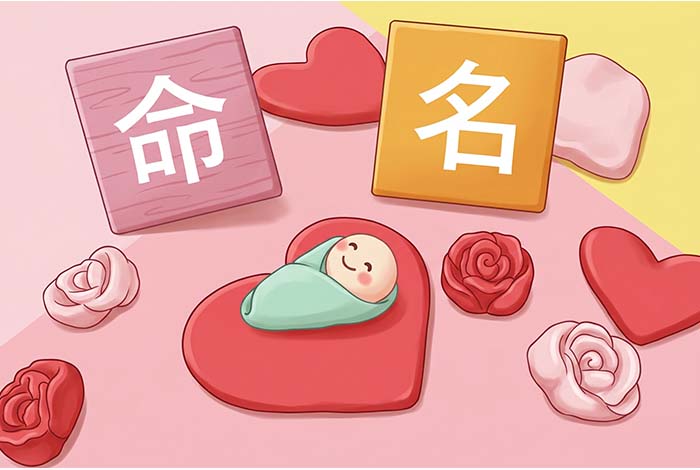
The American “Junior” Tradition In the United States, naming a child is often about honoring the past. It is incredibly common to name a baby after a beloved grandfather, a famous historical figure, or directly after the father, creating a “John Smith Jr.” or “John Smith III.” In America, a name is primarily a phonetic label with historical significance. But if you look at Japanese families, this tradition simply does not exist. You will never meet a “Ken Watanabe Jr.” in Tokyo. In Japan, simply copying a parent’s exact name is culturally unheard of. Instead, naming a Japanese baby is…

View More Why Are There No “Juniors” in Japan? (The Magic of Naming a Child)

Why Is It Polite to Eat Loudly in Japan? (The Secret Science of Slurping)

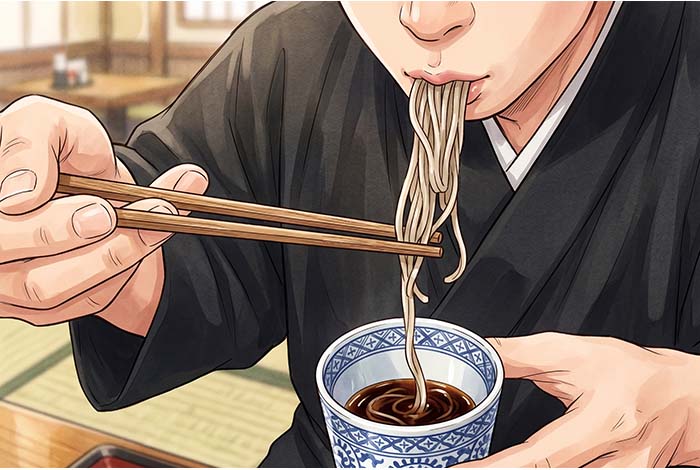
The Ultimate Table Manner Taboo If you are eating at a nice restaurant in Los Angeles, there is one universal rule of table manners: do not make noises with your mouth. Slurping your soup or loudly sucking up spaghetti is considered incredibly rude, childish, and unappetizing to everyone around you. But if you step into a traditional Soba (buckwheat noodle) or Ramen shop in Tokyo, you will be hit with a massive culture shock. The restaurant will be filled with a loud, aggressive symphony of people slurping their noodles as loudly as humanly possible. In Japan, slurping isn’t just acceptable;…

View More Why Is It Polite to Eat Loudly in Japan? (The Secret Science of Slurping)

Why Do Japanese People Put Noodles Inside Their Bread? (The “Sozai Pan” Phenomenon)

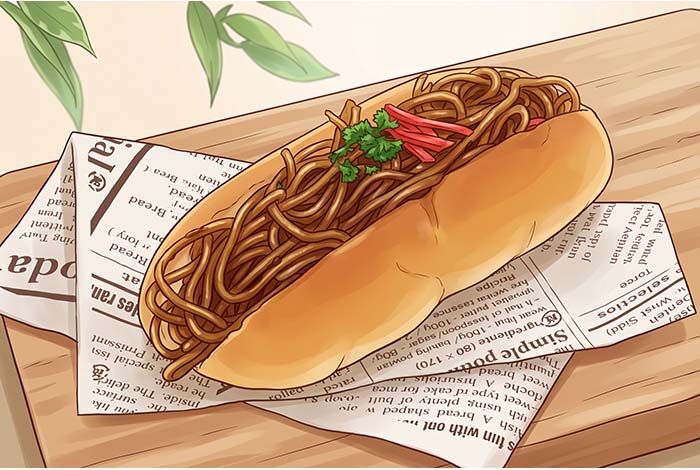
The American Bakery vs. Japanor If you walk into a traditional American bakery, you generally expect to find sweet treats: frosted donuts, chocolate croissants, muffins, and cookies. Bread is mostly treated as a side dish, a plain vessel for a sandwich, or toast for breakfast. But if you step into a neighborhood bakery in Japan, you will discover a completely different culinary universe. While they do have sweet pastries, the absolute stars of the shelves are “Sozai Pan” (Savory Bread). These are hearty, baked buns stuffed to the absolute limit with full-sized, savory hot meals. They are essentially portable lunchboxes…

View More Why Do Japanese People Put Noodles Inside Their Bread? (The “Sozai Pan” Phenomenon)

The Greatest Sushi Misunderstanding: Are You Really Eating Crab Brains?

The Delicacy of “Kani Miso” If you sit down at a high-end sushi restaurant or an Izakaya in Japan, the chef might serve you a small, dark-green, paste-like dish called “Kani Miso.” It is incredibly rich, heavily umami-flavored, and pairs perfectly with a glass of cold sake. If you ask a translation app what you are eating, it will literally translate to “Crab Brains.” Because of this horrifying translation, many Western tourists completely freak out and refuse to eat it. However, this is a massive biological and linguistic misunderstanding. You are absolutely not eating the brain of a crab! The…

View More The Greatest Sushi Misunderstanding: Are You Really Eating Crab Brains?

Experience School Life After Returning to Japan at Nagoya International Junior & Senior High School

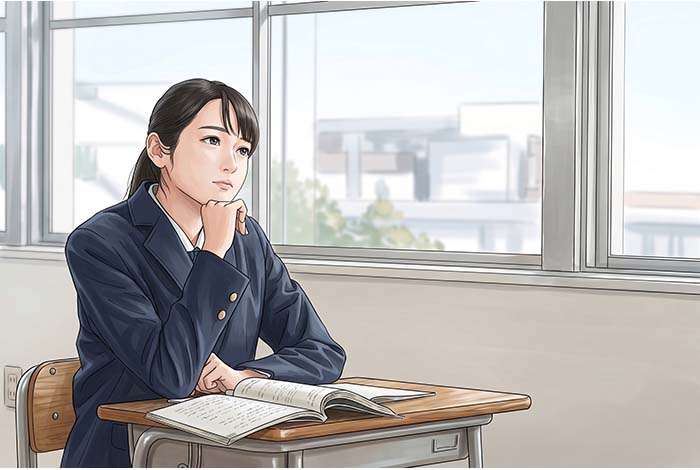
Nagoya International Junior and Senior High School is offering a special trial enrollment program for junior high students planning to return to the Tokai region of Japan. This approximately two-week program allows students to join real classes and school activities, providing a firsthand experience of school life after returning to Japan. High school students are also eligible to participate. The program will be held between mid-May and mid-July 2026.Selection will be based on document screening and an interview.To apply, please complete the application forms via the URL below and submit them by email. NUCB INTERNATIONAL JUNIOR & SENIOR HIGH SCHOOL🔗…

View More Experience School Life After Returning to Japan at Nagoya International Junior & Senior High School

Why Does Standing Near the Elevator Buttons in Japan Make You an Employee?

The Awkward American Elevator In the United States, riding a crowded elevator is a purely individualistic experience. You walk in, press your own floor button, stare awkwardly at your smartphone or the ceiling, and quickly step out when the doors open. If someone is standing in front of the buttons, you politely reach around them or ask them to press your floor. But in Japan, the moment you step into a busy elevator and take the spot right next to the control panel, a massive, unwritten social contract is instantly activated. You are no longer just a passenger; you have…

View More Why Does Standing Near the Elevator Buttons in Japan Make You an Employee?

Why Are There Giant Fish Flying in the Japanese Sky? (The Legend of Koinobori)

The Golden Week Spectacle If you travel to Japan in late April or early May, you will be greeted by a surreal and beautiful spectacle. Stringed across rushing rivers, waving from the balconies of high-rise Tokyo apartments, and planted proudly in the yards of rural houses, you will see thousands of massive, colorful fish flying in the wind. These tubular windsocks are called “Koinobori” (Carp Streamers). To a foreigner, a sky filled with giant, floating fish might look like a wild modern art installation. But it is actually one of Japan’s most beloved and visually stunning ancient traditions, flown specifically…

View More Why Are There Giant Fish Flying in the Japanese Sky? (The Legend of Koinobori)

The Great Condiment Mystery: Why Doesn’t Japan Have Ranch Dressing?

The American Condiment Crisis If you are an American moving to Japan, you probably expect to experience some culture shock regarding the food. You are prepared to eat raw fish, fermented soybeans (Natto), and seaweed. But the biggest shock for many American expats isn’t what is on the menu—it is what is missing from the supermarket shelf. In the United States, “Ranch” is essentially a lifestyle. Americans dip everything in this creamy, herby buttermilk sauce: pizza, french fries, chicken wings, and raw carrots. However, if you scour the condiment aisle of a Japanese supermarket, looking for that familiar bottle of…

View More The Great Condiment Mystery: Why Doesn’t Japan Have Ranch Dressing?

Why Do Japanese Houses Lose All Their Value in 30 Years? (The “New Build” Obsession)

The Vintage House Divide If you drive through historic neighborhoods in Los Angeles, like Pasadena or Angelino Heights, you will see gorgeous, 100-year-old Craftsman and Victorian homes. In the US and Europe, a house is considered an appreciating asset. If it is old, well-maintained, and has “vintage charm,” it can sell for millions of dollars. But if you take that exact same real estate logic to Japan, it completely falls apart. In the Japanese housing market, an old house is almost completely worthless. The moment a family turns the key and moves into a brand-new home, the building’s value begins…

View More Why Do Japanese Houses Lose All Their Value in 30 Years? (The “New Build” Obsession)