Why Has Authentic Japanese Matcha Become So Expensive? (The Green Gold Rush)

The Global Superfood Obsession If you walk into any trendy cafe in Los Angeles, from Santa Monica to Silver Lake, you will inevitably see people holding bright green iced beverages. Matcha has transitioned from a traditional, quiet Japanese tea ceremony ingredient into a massive, global lifestyle trend. However, this worldwide obsession has caused a serious economic side effect: the price of high-quality Japanese matcha has skyrocketed. Authentic matcha is no longer just tea; it is practically “green gold.” The massive surge in international demand simply outpaces the supply that traditional Japanese tea farmers can produce, leading to premium price tags…

View More Why Has Authentic Japanese Matcha Become So Expensive? (The Green Gold Rush)

Why Do Japanese Houses Talk to You? (The Polite Appliances)

The Aggressive Beep In America, when your microwave or washing machine finishes its job, it usually emits a loud, aggressive beep to get your attention. But if you step into a modern Japanese kitchen or bathroom, you will quickly realize that the appliances there don’t just beep—they politely speak to you in full sentences. The Bath Announcer The most famous example is the digital bathtub control panel. When your bath water reaches the perfect temperature, a gentle female voice will echo through the house, announcing: “O-furo ga wakimashita” (The bath is ready). It feels like having a highly advanced, invisible…

View More Why Do Japanese Houses Talk to You? (The Polite Appliances)

Do Your Makeup on a Japanese Train? (The Morning Commute Debate)

The Rule-Abiding Society Japan is globally famous for its strict public transportation etiquette. You are not supposed to talk loudly, play music, or eat messy foods on local trains. However, during the chaotic morning rush hour, you might spot a controversial sight: a woman doing a full makeup routine in her seat. The Masterclass of Balance Watching someone apply liquid eyeliner or mascara while a train is shaking and speeding down the tracks is honestly impressive. It requires a masterclass level of balance and precision. But despite the skill involved, it causes a massive social debate in Japan. The “Manner…

View More Do Your Makeup on a Japanese Train? (The Morning Commute Debate)

Why Is Japanese Toast So Ridiculously Thick? (The “Shokupan” Culture)

The American Slice In the United States, a standard loaf of sandwich bread comes pre-sliced into about 20 thin, slightly dry pieces. It is functional, but not exactly a luxury culinary experience. If you order toast at a Japanese cafe, however, you are in for a massive, fluffy shock. The “Shokupan” Slabs In Japan, bread is a serious craft. The standard white bread, known as “Shokupan,” is naturally sweeter, milkier, and unbelievably soft. But the biggest difference is how it is sliced. Japanese supermarkets typically sell loaves cut into just 4, 5, or 6 massive, thick slabs. The Kissaten Masterpiece…

View More Why Is Japanese Toast So Ridiculously Thick? (The “Shokupan” Culture)

Why Can’t Japanese Students Go on the School Roof? (The Anime Illusion)

The Anime Lunch Break If you watch any Japanese high school anime, the rooftop is the most important place on campus. It is where the main characters go to eat their bento boxes, confess their love, or take a peaceful nap under the blue sky. It seems like the ultimate student hangout spot. The Locked Reality However, if you visit a real Japanese high school, you will face a harsh reality: the door to the roof is permanently locked. For the vast majority of Japanese students, stepping out onto the school rooftop during lunch break is completely impossible. The Safety…

View More Why Can’t Japanese Students Go on the School Roof? (The Anime Illusion)

Exclusive Pre-Sale for YOSHIKI in L.A. July 16-17!

YOSHIKI returns to Los Angeles for “Classical 2026” at Walt Disney Concert Hall on July16–17! Experience the monumental “rebirth” of a global icon in two amazing LIVE performances-“Scarlet Night” and “Violet Night” – with different set lists each night! Use the exclusive pre-sale code ROCKSTAR to get your seats before general tickets go on saleApril 10!

View More Exclusive Pre-Sale for YOSHIKI in L.A. July 16-17!

Is This the Most Controversial Pizza in Japan? (The Mayo-Corn Shock)

The Great Pizza Debate In America, the ultimate pizza debate is whether or not pineapple belongs on a slice. But if you travel to Japan, the pineapple argument feels irrelevant. Japanese pizza delivery menus feature a topping combination that leaves many foreigners completely speechless: Mayonnaise and Sweet Corn. The Yellow and White Pie Yes, you read that right. “Mayo-Corn Pizza” is an absolute staple in Japan. A standard dough crust is baked with melted cheese, heavily sprinkled with bright yellow sweet corn, and then aggressively drizzled with a thick, zig-zag lattice of creamy Japanese mayonnaise. The Childhood Favorite To an…

View More Is This the Most Controversial Pizza in Japan? (The Mayo-Corn Shock)

Why Is the Japanese Convenience Store Copier a Magic Machine? (The Bureaucracy Hack)

The Printer Struggle In the US, if you need to print a document, scan a photo, or buy concert tickets, you usually have to visit three different places or fight with a jammed home printer. But in Japan, you can do all of this—and much more—at 2 AM in your pajamas at the local convenience store (Konbini). The Multi-Tasking Beast The copy machine sitting in the corner of a 7-Eleven or Lawson in Japan is a technological beast. Yes, it makes basic paper copies, but it is also a high-resolution photo lab where you can print glossy photos directly from…

View More Why Is the Japanese Convenience Store Copier a Magic Machine? (The Bureaucracy Hack)

How Do Japanese People Survive Singing Until 5 AM? (The Magic of “Karaoke Ooru”)

The 2 AM Curfew If you enjoy the nightlife in Los Angeles, you know the strict rule: bars and clubs abruptly turn on their bright lights and kick everyone out at 2 AM. But in Japan, when the clock strikes 2 AM, the real party is just entering its second phase. The “Ooru” Phenomenon When Japanese friends miss the last train home (which usually stops around midnight), they often decide to do an “Ooru”—a slang word derived from the English phrase “All Night.” And the absolute best, cheapest, and safest place to survive until the morning sun rises is a…

View More How Do Japanese People Survive Singing Until 5 AM? (The Magic of “Karaoke Ooru”)

Why Is Japanese Festival Food So Addictive? (The “Yatai” Summer Magic)

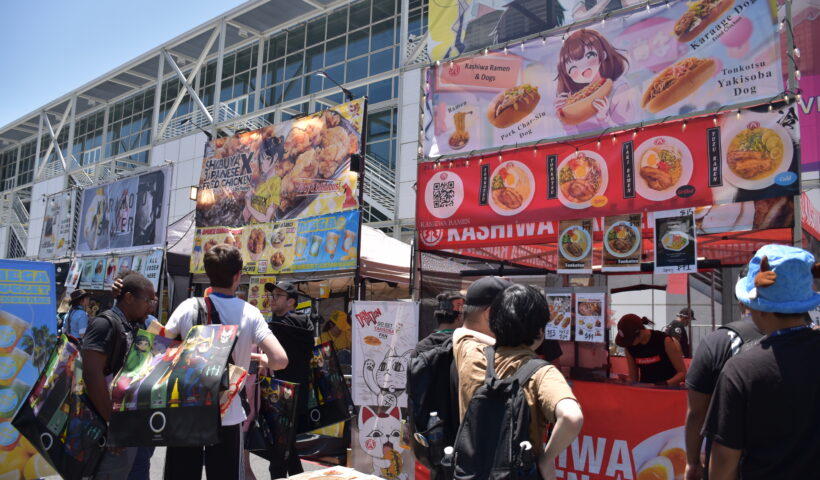
The Summer Night Market Summer in Japan is synonymous with “Matsuri” (traditional festivals). When a local shrine holds a festival, the surrounding streets are completely transformed by endless rows of colorful, glowing pop-up tents. These are the “Yatai”—the ultimate Japanese street food stalls. The Holy Trinity of Street Food While SoCal has its famous taco trucks and Eloteros, a Japanese Yatai offers a completely different, intensely savory menu. The undisputed kings of the festival are “Takoyaki” (molten, savory octopus balls) and “Yakisoba” (sizzling stir-fried noodles cooked on massive iron plates). The smell of sweet soy sauce and grilled squid fills…

View More Why Is Japanese Festival Food So Addictive? (The “Yatai” Summer Magic)

Why Is Everyone Dining Alone in Japan? (The Rise of “Solo-Katsu”)

The Table for One In many Western countries, going to a restaurant or an amusement park completely alone can feel awkward. People worry that others might think they have no friends. But in Japan, doing things by yourself isn’t lonely—it is a booming lifestyle trend called “Solo-Katsu” (Solo Activities). The Ramen Booths The trend started with practical dining. Famous ramen chains like Ichiran pioneered the “flavor focus booth.” You sit at a counter with wooden dividers on both sides, completely isolated from other customers. You don’t even see the waiter’s face. It is just you and the noodles. Solo BBQ…

View More Why Is Everyone Dining Alone in Japan? (The Rise of “Solo-Katsu”)

Why Are Japanese Rice Balls Always Triangles? (Eating the Power of the Gods)

The Iconic Shape If you walk into any Japanese convenience store, you will see walls of “Onigiri” (rice balls). While the fillings range from spicy tuna to fried chicken, the shape is almost universally the same: a perfect triangle. Have you ever wondered why they aren’t just round? The Mountain Connection The triangular shape isn’t just for easy packaging; it actually has deep, ancient spiritual roots. In traditional Japanese Shinto beliefs, mountains are considered sacred. They are the homes of “Kami” (nature gods and spirits) who watch over the land and bring good harvests. Absorbing the Energy Centuries ago, people…

View More Why Are Japanese Rice Balls Always Triangles? (Eating the Power of the Gods)