
Share This Article



Last updated: March 20, 2026
The Grocery Aisle Meltdown
If you walk through a Japanese supermarket, you will eventually see a small child crying and begging their mother to buy something. But they aren’t begging for chocolate or cookies. They are begging for a highly detailed anime figure sold in the grocery aisle.
The “Food Toy” Loophole
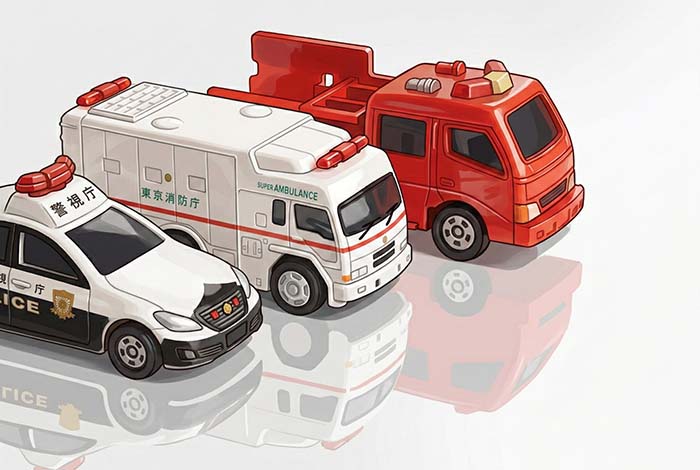
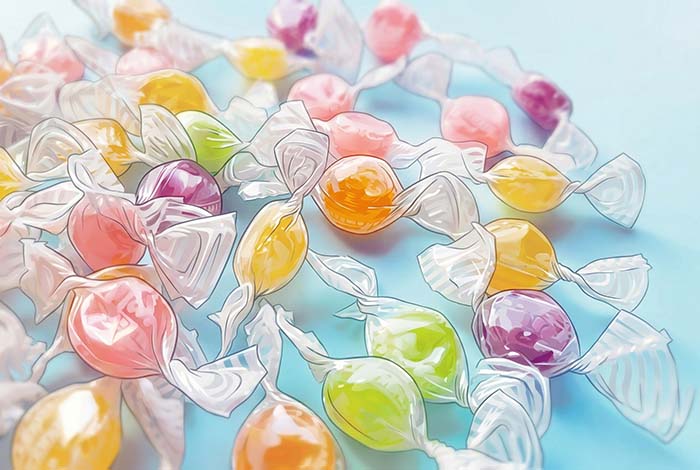
This is called “Shokugan” (Food Toy). It is a clever Japanese marketing trick. Inside the box is a high-quality, expensive plastic toy… accompanied by one tiny, sad piece of gum or a single piece of candy.
Why Include the Candy?
Why do they include that one piece of cheap gum? It is a distribution loophole! If it is just a “toy,” it can only be sold in toy stores. But by adding a piece of food, it is legally classified as “candy.” This allows the manufacturer to sell premium toys right next to the tomatoes and milk in everyday supermarkets!

The Gacha Addiction
What makes Shokugan so dangerous for parents is that they are usually “Blind Boxes” (randomized). You don’t know which character you will get until you open it. This high-risk, high-reward “Gacha” element makes it incredibly addictive.
Not Just for Kids
In the US, you rarely see complex collectibles sold with groceries. But in Japan, it is a massive industry. In fact, many of these Shokugan (like Gundam figures or Kamen Rider belts) are actually bought by adult collectors who have the money to buy the entire box. The tiny piece of gum usually goes straight into the trash!
The Obsession with Miniatures and Fake Things (Related Articles)
Japan is famous for creating incredibly detailed plastic replicas and addictive blind-box games, whether they are hidden in a supermarket aisle or displayed in a restaurant window!
1. The Ultimate Coin Trap
The addictive “randomized” thrill of Shokugan is actually based on a massive machine-based culture called “Gachapon”. For a few coins, you turn a handle and a plastic capsule falls out containing shockingly high-quality, sometimes bizarre miniatures, which is why adults are obsessed with them!
👉 What is inside the capsules?
Check out: “Gachapon: Why Adults Are Obsessed with Capsule Toys”
2. The Fake Food Masterpieces
Speaking of high-quality plastic, have you noticed the hyper-realistic Sushi and Ramen displayed outside Japanese restaurants? They aren’t real food; they are traditional, handmade “Shokuhin Sample” (Food Samples) designed by artisans to show customers exactly what the dish looks like!
👉 Is it just cheap plastic?
Check out: “Is That Real Food? The Amazing World of Plastic Food Samples”
.
.
Share This Article
Related Articles
Pick Up
- Pokemon Worlds Takes Over San Francisco, and We Got ...
- Japan Now! The Spear Won. Chiben Wakayama Takes Kosh...
- Japan Now! Doraemon Is Taking a Steam Train to Victo...
- Japan Now! Japan Answered. The Monster Falls, and th...
- Japan Now! Whole Torched Purin on a Crepe. Ise’...
-

- Japan Now! She Said Yes. Olympic Champions Riku Miur...
- Japan Now! It’s Rice Day in Japan, So Dragon Q...
- Japan Now! 7,000 Stranded at Narita as Record Rain S...
- Japan Now! The Final Four Is Set. Ariake’s Mir...
- Japan Now! 156 km/h. Bases Loaded. No Outs. Koshien&...
- See more Fun Facts articles >






Latest Articles
- Free Medicare Seminars, Learn the Besics and Review...
- Den’s Tea ...
- Capture Special Memories at Kimono no Kobeya ...
- Recommended for Those on a Diet! Healthy Noodles
- Savor Seasonal Specials at TAKAGI COFFEE!
-

- Daikokuya El Monte Celebrates 10th Anniversary! ...
- Check Out JINS 360°! New Store Now Open!
- Pho-Inspired Asian Spicy Ramen Returns for a Limited...
- Discover JINS’ Revolutionary Multi-Directional Movem...
- Celebrate 10 Years!! Daikokuya El Monte Launches Ann...
- See all articles >