Did You Know the World’s Oldest Company Is in Japan? (The 1,400-Year-Old Builders)

What is “Old” in Business? In the United States, a company founded in the late 1800s is considered incredibly historic. But if you cross the Pacific to Japan, the standard for corporate history completely changes. The oldest continuously operating company in the entire world is located in Osaka, Japan. The Year 578 The company is called “Kongo Gumi,” and it was founded in the year 578 AD. To put that into perspective, this Japanese construction company was established centuries before the Viking Age began in Europe. They have been in business for over 1,400 years! Building the Gods’ Homes What…

View More Did You Know the World’s Oldest Company Is in Japan? (The 1,400-Year-Old Builders)

How Fast Is Japanese Fast Food? (The 30-Second “Gyudon” Miracle)

The Drive-Thru Illusion In Los Angeles, “fast food” usually means waiting in a drive-thru line for 5 to 10 minutes to get a burger. But in Japan, the standard for “fast” is completely different. If you walk into a Japanese beef bowl chain, your food might arrive before you even finish taking off your coat. The Gyudon Empire This is the magic of “Gyudon” (Beef Bowl) restaurants like Yoshinoya, Sukiya, and Matsuya. They serve a deeply comforting, hot bowl of rice topped with thinly sliced beef and onions simmered in a sweet soy-sauce broth. It is the absolute lifeline for…

View More How Fast Is Japanese Fast Food? (The 30-Second “Gyudon” Miracle)

Why Is the Japanese Convenience Store Copier a Magic Machine? (The Bureaucracy Hack)

The Printer Struggle In the US, if you need to print a document, scan a photo, or buy concert tickets, you usually have to visit three different places or fight with a jammed home printer. But in Japan, you can do all of this—and much more—at 2 AM in your pajamas at the local convenience store (Konbini). The Multi-Tasking Beast The copy machine sitting in the corner of a 7-Eleven or Lawson in Japan is a technological beast. Yes, it makes basic paper copies, but it is also a high-resolution photo lab where you can print glossy photos directly from…

View More Why Is the Japanese Convenience Store Copier a Magic Machine? (The Bureaucracy Hack)

Why Does Japan Have Tiny Huts Just for the Lottery? (The “Takarakuji” Dream)

The Liquor Store Scratcher If you want to buy a Mega Millions ticket or a scratcher in the US, you casually pick one up at your local convenience store, gas station, or neighborhood liquor store. But in Japan, buying a lottery ticket is a much more specialized, almost ceremonial event. The Dedicated Booth Instead of buying them alongside a six-pack of beer, Japanese people go to a “Takarakuji Uriba”—a tiny, dedicated lottery booth often located outside major train stations or supermarkets. Inside sits a polite staff member whose sole job is to sell you a dream in a paper envelope.…

View More Why Does Japan Have Tiny Huts Just for the Lottery? (The “Takarakuji” Dream)

How Do Japanese People Survive Singing Until 5 AM? (The Magic of “Karaoke Ooru”)

The 2 AM Curfew If you enjoy the nightlife in Los Angeles, you know the strict rule: bars and clubs abruptly turn on their bright lights and kick everyone out at 2 AM. But in Japan, when the clock strikes 2 AM, the real party is just entering its second phase. The “Ooru” Phenomenon When Japanese friends miss the last train home (which usually stops around midnight), they often decide to do an “Ooru”—a slang word derived from the English phrase “All Night.” And the absolute best, cheapest, and safest place to survive until the morning sun rises is a…

View More How Do Japanese People Survive Singing Until 5 AM? (The Magic of “Karaoke Ooru”)

Why Is Japanese Festival Food So Addictive? (The “Yatai” Summer Magic)

The Summer Night Market Summer in Japan is synonymous with “Matsuri” (traditional festivals). When a local shrine holds a festival, the surrounding streets are completely transformed by endless rows of colorful, glowing pop-up tents. These are the “Yatai”—the ultimate Japanese street food stalls. The Holy Trinity of Street Food While SoCal has its famous taco trucks and Eloteros, a Japanese Yatai offers a completely different, intensely savory menu. The undisputed kings of the festival are “Takoyaki” (molten, savory octopus balls) and “Yakisoba” (sizzling stir-fried noodles cooked on massive iron plates). The smell of sweet soy sauce and grilled squid fills…

View More Why Is Japanese Festival Food So Addictive? (The “Yatai” Summer Magic)

The Great Japanese Spice Lie: What Is “Yuzu Kosho”? (The Missing Black Pepper)

The Ultimate Citrus Spice If you are a fan of spicy food, your fridge in LA is probably stocked with Sriracha, Jalapeños, or Cholula. But in Japan, there is an elite, intensely flavorful condiment that will completely change the way you eat chicken and hot pot: “Yuzu Kosho.” The Translation Trap If you translate the name literally, it seems simple. “Yuzu” is Japan’s famous, highly aromatic citrus fruit. “Kosho” translates to “Black Pepper.” So, it must be a mix of citrus and black pepper, right? Absolutely not! There is zero black pepper in this paste. The Kyushu Secret This is…

View More The Great Japanese Spice Lie: What Is “Yuzu Kosho”? (The Missing Black Pepper)

Why Is Everyone Dining Alone in Japan? (The Rise of “Solo-Katsu”)

The Table for One In many Western countries, going to a restaurant or an amusement park completely alone can feel awkward. People worry that others might think they have no friends. But in Japan, doing things by yourself isn’t lonely—it is a booming lifestyle trend called “Solo-Katsu” (Solo Activities). The Ramen Booths The trend started with practical dining. Famous ramen chains like Ichiran pioneered the “flavor focus booth.” You sit at a counter with wooden dividers on both sides, completely isolated from other customers. You don’t even see the waiter’s face. It is just you and the noodles. Solo BBQ…

View More Why Is Everyone Dining Alone in Japan? (The Rise of “Solo-Katsu”)

Why Do 4,000 Japanese Characters Contain the Word “Woman”? (The Kanji Time Capsule)

The Building Blocks of Kanji Learning Japanese Kanji is like solving a puzzle. Complex characters are built by combining smaller, basic symbols called “radicals.” For example, if you combine the radical for “Sun” (日) and “Moon” (月), you get the character for “Bright” (明). A Massive Gender Imbalance But there is a shocking linguistic statistic hidden in the dictionary. If you search for characters containing the radical for “Woman” (女 – Onna), you will find over 4,000 of them! However, if you search for characters containing the radical for “Man” (男 – Otoko), there are only about 100. The Ancient…

View More Why Do 4,000 Japanese Characters Contain the Word “Woman”? (The Kanji Time Capsule)

Why Are Japanese Rice Balls Always Triangles? (Eating the Power of the Gods)

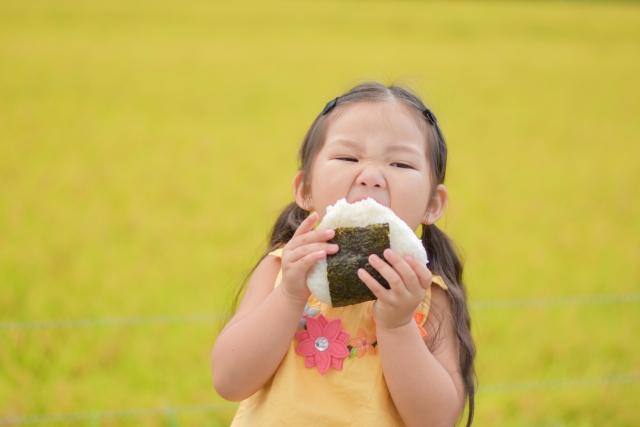
The Iconic Shape If you walk into any Japanese convenience store, you will see walls of “Onigiri” (rice balls). While the fillings range from spicy tuna to fried chicken, the shape is almost universally the same: a perfect triangle. Have you ever wondered why they aren’t just round? The Mountain Connection The triangular shape isn’t just for easy packaging; it actually has deep, ancient spiritual roots. In traditional Japanese Shinto beliefs, mountains are considered sacred. They are the homes of “Kami” (nature gods and spirits) who watch over the land and bring good harvests. Absorbing the Energy Centuries ago, people…

View More Why Are Japanese Rice Balls Always Triangles? (Eating the Power of the Gods)

Why Are Japanese Cashiers So Good at Tetris? (The Supermarket Masterclass)

The Checkout Experience In the US, many supermarkets still have cashiers who bag your groceries, though the trend is heavily shifting towards chaotic DIY self-checkout machines. But if you watch a cashier at a Japanese supermarket or convenience store, you are not just getting service; you are watching a high-speed Tetris masterclass. The Art of the Basket When a Japanese cashier scans your items, they don’t just throw them into a bag. If you use a supermarket basket, they meticulously transfer the scanned items into a second, different-colored basket. Heavy items like milk go perfectly at the bottom, while fragile…

View More Why Are Japanese Cashiers So Good at Tetris? (The Supermarket Masterclass)

What Are “Kotowaza”? (The Hidden Wisdom in Japanese Conversations)

The Code of Conversation If you listen closely to a conversation between Japanese people, you might hear them drop short, poetic phrases that don’t seem to make literal sense. They might suddenly talk about monkeys, nails, or dumplings. These are “Kotowaza”—traditional Japanese proverbs. Bite-Sized Wisdom Kotowaza are deeply ingrained in the culture. They are bite-sized pieces of ancient wisdom, morals, and life lessons passed down through generations. Instead of lecturing someone, Japanese people use these short phrases to elegantly convey complex emotions or advice. Monkeys and Trees For example, if a highly skilled professional makes a silly mistake, someone might…

View More What Are “Kotowaza”? (The Hidden Wisdom in Japanese Conversations)