Why Do Japanese People Eat KFC on Christmas? (The Colonel’s Magic)

In the West, Christmas dinner usually means roast turkey or ham. In Japan, it means a “Party Barrel” from Kentucky Fried Chicken. It sounds like a joke, but it is dead serious. Every year, millions of Japanese families line up for hours or reserve their buckets weeks in advance just to eat fried chicken on December 25th.

View More Why Do Japanese People Eat KFC on Christmas? (The Colonel’s Magic)

Why Are 3, 5, and 7-Year-Olds Wearing Kimonos in November? (Shichi-Go-San)

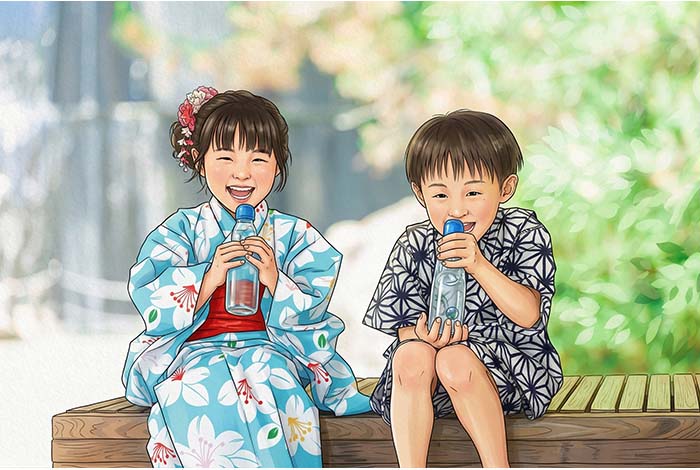
Visit a shrine in November, and your heart will melt from the cuteness. You will see tiny boys in samurai-like hakama and little girls in full makeup and kimonos, walking awkwardly with their parents. This is “Shichi-Go-San” (Seven-Five-Three), a rite of passage for children of those specific ages.

View More Why Are 3, 5, and 7-Year-Olds Wearing Kimonos in November? (Shichi-Go-San)

Why Is Drinking with the Boss Considered “Work”? (The “Nomikai” Culture)

In Western companies, you go home at 5 PM. In Japan, the team often goes to an Izakaya. This is “Nomikai” (Drinking Party). But relax, it’s not just for fun. It’s called “Nomunication” (Nomu + Communication). Japanese people are shy at the office, so alcohol is the essential lubricant to speak the truth and bond with the team.

View More Why Is Drinking with the Boss Considered “Work”? (The “Nomikai” Culture)

Why Should You Look Down When Walking in Japan? (The Secret Art Gallery)

In most countries, manhole covers are just boring, rusty metal circles meant to cover holes. Of course, Japan has those too. However, keep your eyes open, because suddenly, right under your feet, you will find a colorful work of art. Japan has turned sewer covers into canvas, with over 12,000 unique designs across the country.

View More Why Should You Look Down When Walking in Japan? (The Secret Art Gallery)

Why Do Japanese Kids Get Rich in January? (The “Otoshidama” Rules)

In the US, kids get toys for Christmas. In Japan, they get something even better on New Year’s Day: Cold, hard cash. This tradition is called “Otoshidama.” Relatives (grandparents, uncles, and aunts) give money to children. For Japanese kids, January is the most profitable month of the year, sometimes collecting hundreds of dollars in total!

View More Why Do Japanese Kids Get Rich in January? (The “Otoshidama” Rules)

Why Does the Cashier Ask Me a Question I Don’t Understand? (The “Point Card” Culture)

You buy a simple Onigiri at a convenience store. The cashier says something fast. You panic. What did they ask? They likely said: “Pointo kaado wa o-mochi desu ka?” (Do you have a point card?). It happens at convenience stores, drug stores, and even electronics shops.

View More Why Does the Cashier Ask Me a Question I Don’t Understand? (The “Point Card” Culture)

Why Can’t I Just Sign My Name in Japan? (The Power of “Hanko”)

In the US or Europe, your handwritten signature is your legal proof. In Japan, it often means nothing. Instead, you need a “Hanko” (or Inkan). This is a small personal stamp carved with your last name. From opening a bank account to signing a rental contract, if you don’t have this red stamp, you don’t exist in the system!

View More Why Can’t I Just Sign My Name in Japan? (The Power of “Hanko”)

Why Is There No 4th Floor in Some Japanese Hospitals?

While it is not in every building, in some older hospitals or hotels, you might occasionally notice that the button for the 4th floor is missing in the elevator. Why? It is because of “Tetraphobia.” In Japanese, the number 4 is pronounced “Shi,” which sounds exactly like the word for “Death” (死). It is considered extremely unlucky.

View More Why Is There No 4th Floor in Some Japanese Hospitals?