Why Does Japanese Curry Taste Nothing Like Indian Curry?

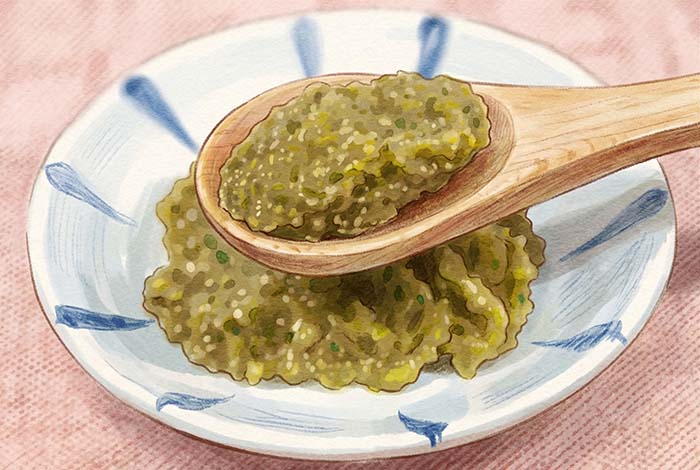
Tourists are often confused when they order “Curry” in Japan and get a thick, brown, sweet stew. Why no spices? Why is it so thick? The answer lies in history. Curry didn’t come to Japan directly from India; it came via the British Navy in the late 19th century. Japan adopted the British stew-like version and evolved it into a unique Western-style dish called “Yoshoku.”

View More Why Does Japanese Curry Taste Nothing Like Indian Curry?

Why Is Japanese Rice So Sticky and Sweet? (It’s Not Just Water)

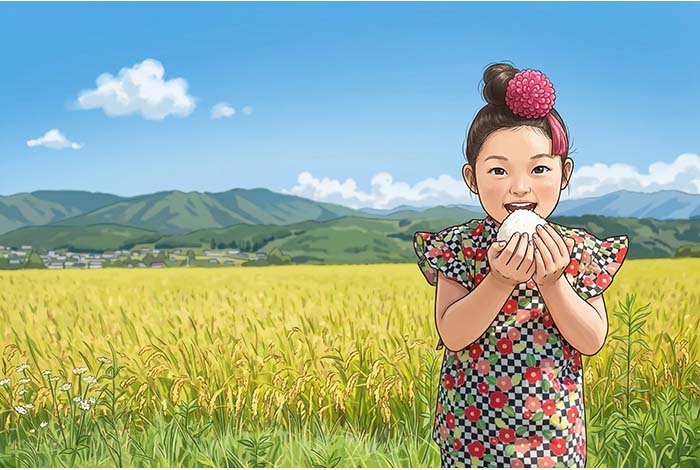
If you are used to Jasmine or Basmati rice, Japanese rice might feel “wet” or “gummy” to you. This is because Japanese rice is “Japonica” (Short-grain), while most of the world eats “Indica” (Long-grain). Japonica rice contains more moisture and starch, making the grains cling together. This isn’t a cooking mistake; it’s the goal!

View More Why Is Japanese Rice So Sticky and Sweet? (It’s Not Just Water)

Why Do Strangers Hand You Free Tissues on the Street?

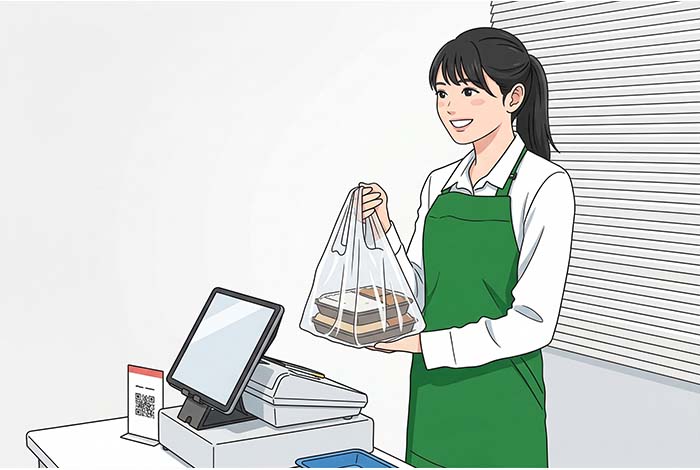
While walking near a train station, a stranger might approach you and try to hand you a small plastic packet. You might think, “Is there a catch? Do I have to pay?” Don’t worry! It is completely free. In Japan, handing out tissues is a popular form of advertising called “Tissue-kubari.” It is a friendly gesture, not a trap, so feel free to take one.

View More Why Do Strangers Hand You Free Tissues on the Street?

Why Is “Hanami” (Cherry Blossom Viewing) Actually a Huge Outdoor Drinking Party?

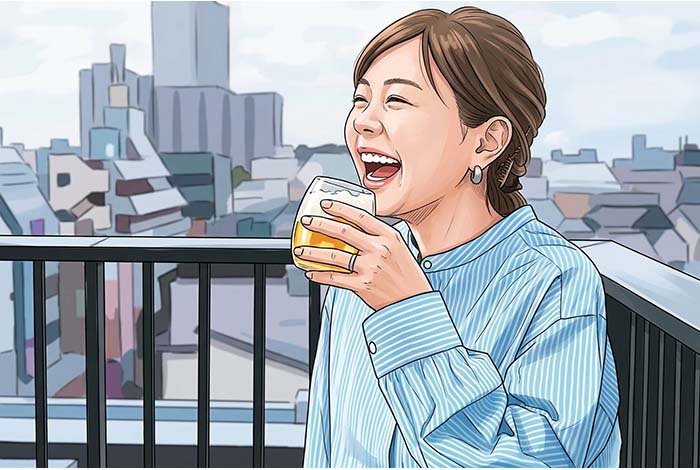
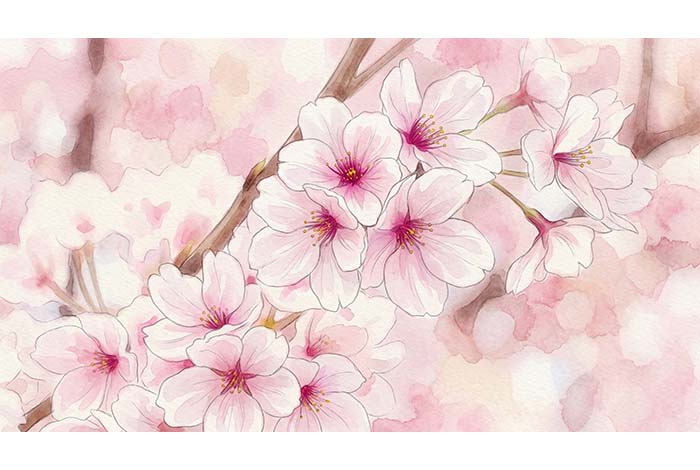
In April, Japan turns pink with cherry blossoms. You might think “Hanami” is a quiet activity to admire nature, but you would be wrong. It is actually a massive national excuse to drink outside. From college students to corporate CEOs, millions of people gather in parks to drink beer and Sake from noon until night. The flowers are beautiful, but for many, the alcohol is the main event.

View More Why Is “Hanami” (Cherry Blossom Viewing) Actually a Huge Outdoor Drinking Party?

Why Do Japanese People Eat Sushi Silently Facing the Same Direction?

In early February, Japan celebrates “Setsubun” (the day before spring). Traditionally, people throw roasted soybeans out the front door shouting “Oni wa Soto! Fuku wa Uchi!” (Devils out! Luck in!). It’s a fun event where fathers often wear demon masks and let their kids throw beans at them to drive away bad spirits.

View More Why Do Japanese People Eat Sushi Silently Facing the Same Direction?

Why Is Your “Omakase” Not Real Omakase? (The Trust Test)

In the US, “Omakase” has become a trendy word for a fancy, expensive set menu. But the real Japanese meaning is “I leave it up to you.” It is the ultimate act of trust. You are telling the chef, “I trust your skill more than my own choice.” It’s not a fixed list of dishes; it’s a dynamic performance.

View More Why Is Your “Omakase” Not Real Omakase? (The Trust Test)

Why Did Everyone Gasp When I Passed Food with Chopsticks?

You want to share a piece of delicious Tempura with your friend, so you pass it from your chopsticks to theirs. STOP! This is the single biggest taboo in Japanese dining. It looks exactly like a funeral ritual where family members pass the bones of the deceased after cremation. Doing this at a dinner table horrifies Japanese people.

View More Why Did Everyone Gasp When I Passed Food with Chopsticks?