
Share This Article



Last updated: March 20, 2026
Not Just Cake and Cream
When you think of sweets, you usually picture cakes, chocolate, or ice cream. Traditional Japanese sweets, called “Wagashi,” are entirely different. They use no butter or cream. The most premium and beautiful type of Wagashi is called “Nerikiri.”
Sculpting with Bean Paste
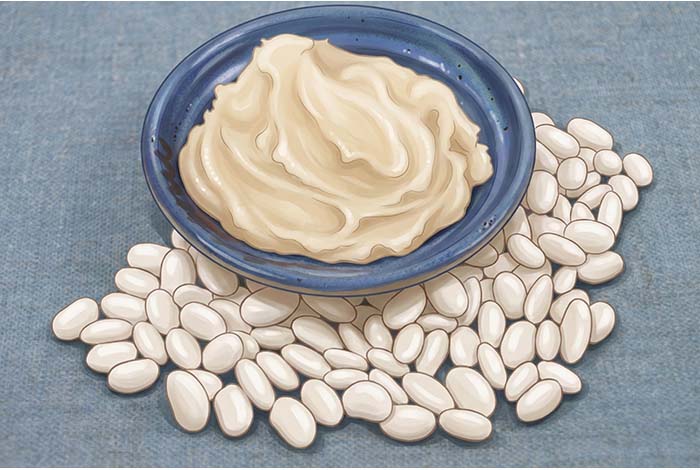
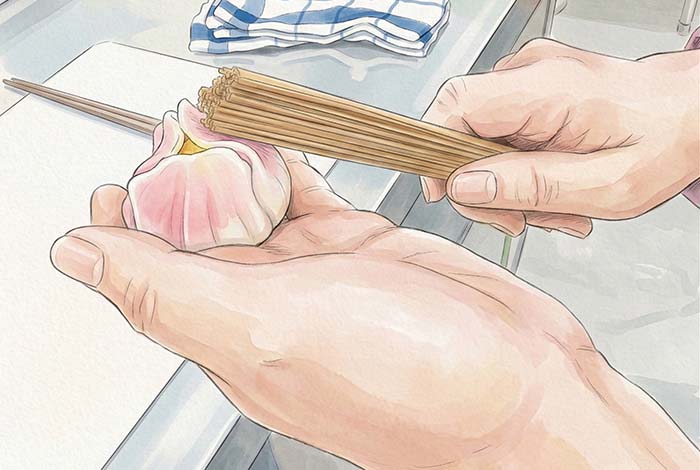
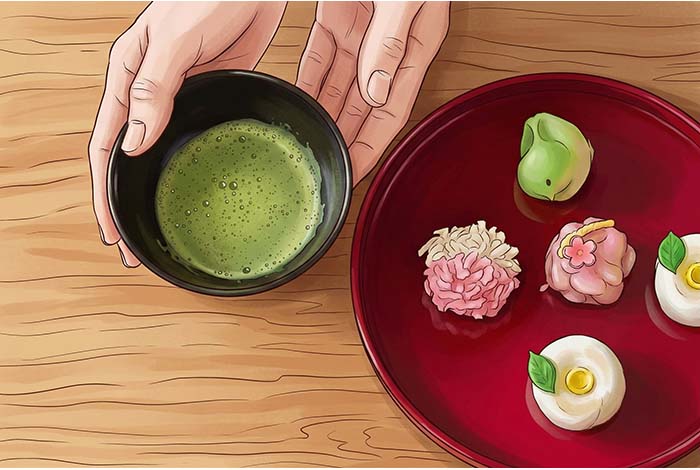
Nerikiri is made by kneading soft, sweetened white bean paste (Shiro-an) with soft Mochi dough. Because it is like edible clay, master artisans can sculpt it into breathtakingly detailed shapes using tiny wooden tools and their bare hands.
Eating the Seasons
The designs strictly reflect the 4 seasons. In spring, Nerikiri is shaped like delicate pink cherry blossoms. In summer, it looks like a morning glory or a cool stream of water. In autumn, it takes the shape of fiery red maple leaves. You are literally “eating the season.”
The Matcha Companion
You rarely eat Nerikiri by itself. It was designed to accompany the traditional Japanese Tea Ceremony. The intense, elegant sweetness of the Nerikiri perfectly balances the deep, bitter taste of hot Matcha (green tea).
Make Your Own Art!
Today, you don’t have to be a samurai or a tea master to enjoy this. In places like Kyoto or Tokyo, there are many “Wagashi Making Workshops” aimed at tourists. You can try sculpting your own beautiful flower out of bean paste—if you don’t eat it first!
Celebrating the Seasons in Real Life (Related Articles)
Eating seasonal Nerikiri is a beautiful experience, but Japanese people also love to celebrate the changing seasons and life milestones with massive outdoor events and traditional clothing!
1. The Pink Spring Party
In spring, you can eat cherry blossom Nerikiri, but you should also go outside! In April, Japan turns pink with cherry blossoms, and millions of people gather in parks for “Hanami”. While aristocrats used to write poetry, today it is actually a massive national excuse to drink beer and Sake outside from noon until night to celebrate the fleeting beauty of the flowers!
👉 Is drinking in public legal?
Check out: “Why Is ‘Hanami’ (Cherry Blossom Viewing) Actually a Huge Outdoor Drinking Party?”
2. The Autumn Tradition
If you visit a shrine in November, instead of autumn leaves, your heart will melt from the cuteness of “Shichi-Go-San” (Seven-Five-Three). This is a traditional rite of passage where tiny boys in samurai-like hakama and little girls in full kimonos celebrate their survival and growth. They even carry a special long candy called “Chitose Ame” to wish for a long life!
👉 Why specifically ages 3, 5, and 7?
Check out: “Why Are 3, 5, and 7-Year-Olds Wearing Kimonos in November? (Shichi-Go-San)”
.
.
Share This Article
Related Articles
Pick Up
- Celebrate 10 Years!! Daikokuya El Monte Launches Ann...
- Torikizoku’s second location in Anaheim Takeout yaki...
- Half-Price Hakata Ramen: Shin-Sen-Gumi Rosemead̵...
- A popular spot for authentic tempura rice bowls and ...
- Honda-ya Charity Event Celebrates Kappo Honda’...
-

- Zespri Kiwifruit: A Sweet, Vitamin-C Boost for Fall
- Daikokuya El Monte Celebrates 10th Anniversary! ...
- Onigiri Sun DTLA Location Now Open
- Pho-Inspired Asian Spicy Ramen Returns for a Limited...
- LA Dassai Experience: Japan and USA’s Finest S...
- See more Fun Facts articles >








Latest Articles
- Free Medicare Seminars, Learn the Besics and Review...
- Capture Special Memories at Kimono no Kobeya ...
- Check Out JINS 360°! New Store Now Open!
- Discover JINS’ Revolutionary Multi-Directional Movem...
- 2027 Coming-of-Age Ceremony presented by Nadeshiko-k...
-

- Kappo Honda 30th Anniversary Charity Event
- JapanUp! 228 – October 2026
- Quiz – October 2026
- Chiikawa comes to Channel Oishii with 20 curated foo...
- Kanagawa: The Many Faces of Japan, All in One Place
- See all articles >