
Share This Article



Last updated: March 20, 2026
The Pocket Money Paradise
If a Japanese child has 100 yen (about 70 cents) in their pocket, they don’t go to a fancy bakery. They go to a “Dagashi-ya” (a retro penny-candy store). Dagashi translates to “cheap sweets,” and it is the ultimate childhood paradise.
Cheap and Chaotic
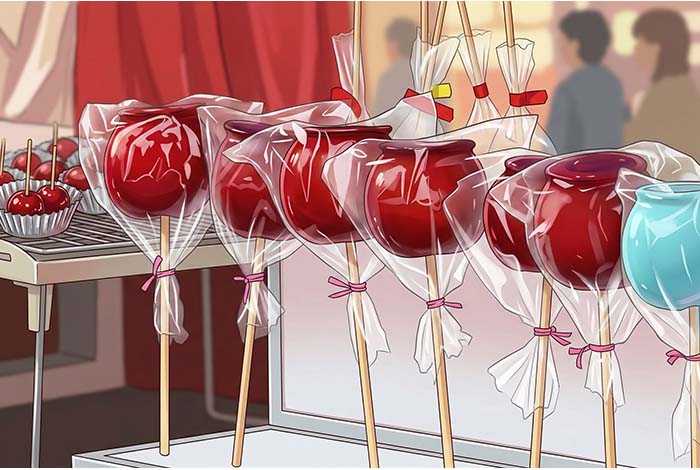
Unlike regular snacks in supermarkets, Dagashi are specifically designed for kids. They cost anywhere from 10 yen to 50 yen. The packaging is incredibly colorful, featuring retro cartoon characters, and the flavors are wild—from sweet chocolate to savory “grilled squid” flavor!
Playing with Food
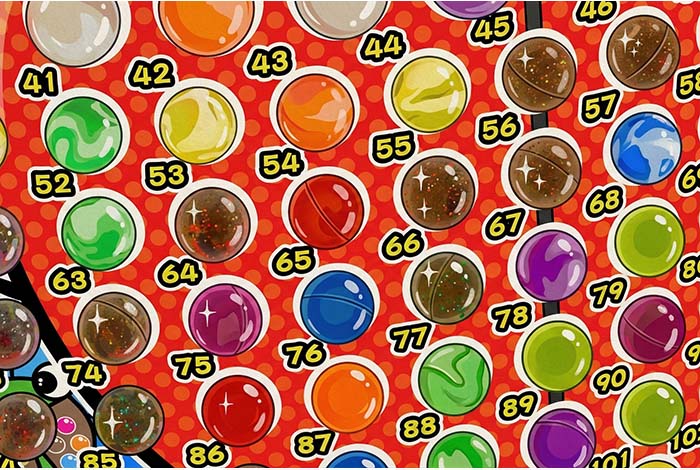
Dagashi is highly interactive. There are candies shaped like cigarettes, powders that change color when mixed with water, and ramune candies shaped like a whistle that you can actually blow into before eating. It is all about having fun with a tiny budget.

The Lottery System
Many Dagashi have a thrilling “lottery” element. If you open the wrapper and find the word “Atari” (Winner) printed inside, you can show it to the shop owner and get another candy for free! It is a child’s first lesson in gambling and economics.
Adult Nostalgia
Today, Dagashi is just as popular with adults. Grown-ups who grew up in the 80s and 90s buy entire boxes of them just to feel nostalgic. In Tokyo, there are even “Dagashi Bars” where adults can drink alcohol and eat unlimited retro snacks. It proves that nobody really outgrows Dagashi!
When Food Becomes a Toy (Related Articles) Dagashi is a fun way to play with cheap snacks, but Japan takes the concept of “food entertainment” to a whole new level with clever marketing and hyper-realistic crafts!
1. The Grocery Store Trap
While Dagashi is cheap candy for kids, there is another type of candy that makes children cry in the supermarket—because it’s actually an expensive toy in disguise! This is called “Shokugan” (Food Toy), a clever loophole where manufacturers include a single, sad piece of gum just so they can sell premium, randomized anime figures in the grocery aisle.
👉 Why do they include the candy?
Check out: “Why Are Japanese Kids Crying in the Supermarket? (The ‘Shokugan’ Trap)”
2. The Fake Food Masterpieces
Japan’s visual obsession with food doesn’t stop at the supermarket. If you walk past restaurants, you will see delicious-looking Sushi and Ramen in the window, but they are actually hyper-realistic plastic replicas! These “Shokuhin Sample” (Food Samples) are handmade by artisans to show customers exactly what the dish looks like, and they are so detailed that tourists even buy them as souvenirs.
👉 Are they really made of plastic?
Check out: “Is That Real Food? The Amazing World of Plastic Food Samples”
.
.
Share This Article
Related Articles
Pick Up
- Half-Price Hakata Ramen: Shin-Sen-Gumi Rosemead̵...
- Torikizoku’s second location in Anaheim Takeout yaki...
- A popular spot for authentic tempura rice bowls and ...
- Honda-ya Charity Event Celebrates Kappo Honda’...
- Celebrate 10 Years!! Daikokuya El Monte Launches Ann...
-

- LA Dassai Experience: Japan and USA’s Finest S...
- Daikokuya El Monte Celebrates 10th Anniversary! ...
- Onigiri Sun DTLA Location Now Open
- Zespri Kiwifruit: A Sweet, Vitamin-C Boost for Fall
- Pho-Inspired Asian Spicy Ramen Returns for a Limited...
- See more Fun Facts articles >




Latest Articles
- Free Medicare Seminars, Learn the Besics and Review...
- Capture Special Memories at Kimono no Kobeya ...
- Check Out JINS 360°! New Store Now Open!
- Discover JINS’ Revolutionary Multi-Directional Movem...
- 2027 Coming-of-Age Ceremony presented by Nadeshiko-k...
-

- Kappo Honda 30th Anniversary Charity Event
- JapanUp! 228 – October 2026
- Quiz – October 2026
- Chiikawa comes to Channel Oishii with 20 curated foo...
- Kanagawa: The Many Faces of Japan, All in One Place
- See all articles >