In almost every country in the world, making noise while eating is considered bad manners. If you slurp your spaghetti in Italy, people will frown. However, walk into a Ramen or Soba shop in Tokyo, and you will hear a symphony of loud slurping sounds. In Japan, slurping noodles is not rude—it is actually the standard way to eat.
View More To Slurp or Not to Slurp? The Great Noodle Debate in JapanCategory: LEARNJAPAN
The “Otoshi” Surprise: Why Is There a Mystery Charge on My Bill?
You enjoyed a fantastic meal at a Japanese Izakaya (pub), but when you get the bill, you notice a charge of 300 to 500 yen per person that you didn’t order. Before you complain to the staff about a mistake, stop! This is likely the “Otoshi” (or Tsukidashi), a unique Japanese custom similar to a table charge or cover charge.
View More The “Otoshi” Surprise: Why Is There a Mystery Charge on My Bill?Step Into the Action: Japan’s Ultimate Pro Wrestling Experience
Step Into the Action: Japan’s Ultimate Pro Wrestling Experience
Sportiva Arena Offers Unforgettable Ways to Live Your Pro-wrestling Fandom Dreams!
Magic Taxi Doors: Why You Should Never Touch the Handle in Japan
You have just finished an amazing Sushi dinner. The service was impeccable, the tea was constantly refilled, and the staff smiled the whole time. Naturally, you reach for your wallet to leave a 20% tip. Don’t do it.
View More Magic Taxi Doors: Why You Should Never Touch the Handle in JapanWhy You Can’t Bring Big Suitcases on the Bullet Train Anymore
You have just finished an amazing Sushi dinner. The service was impeccable, the tea was constantly refilled, and the staff smiled the whole time. Naturally, you reach for your wallet to leave a 20% tip. Don’t do it.
View More Why You Can’t Bring Big Suitcases on the Bullet Train AnymoreThe “Library Rule”: Why Japanese Trains Are So Silent
You have just finished an amazing Sushi dinner. The service was impeccable, the tea was constantly refilled, and the staff smiled the whole time. Naturally, you reach for your wallet to leave a 20% tip. Don’t do it.
View More The “Library Rule”: Why Japanese Trains Are So SilentStop! Please Do Not Tip: The Beautiful Culture of “Omotenashi”
You have just finished an amazing Sushi dinner. The service was impeccable, the tea was constantly refilled, and the staff smiled the whole time. Naturally, you reach for your wallet to leave a 20% tip. Don’t do it.
View More Stop! Please Do Not Tip: The Beautiful Culture of “Omotenashi”Shocking Safety: Why Japanese People Leave Their iPhones on Cafe Tables!
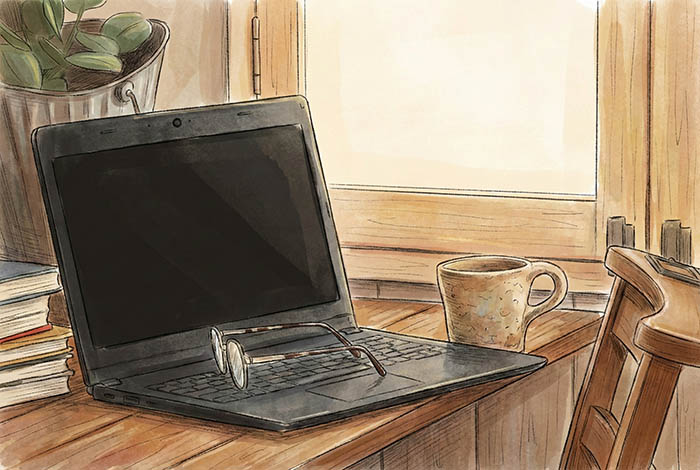
f you walk into a Starbucks in Tokyo, you might witness a scene that would give a New Yorker a heart attack. A customer gets up to go to the bathroom or order a drink, and they leave their brand new MacBook or iPhone sitting on the table to “save their seat.”
View More Shocking Safety: Why Japanese People Leave Their iPhones on Cafe Tables!Why Japan Has 4 Million Vending Machines!
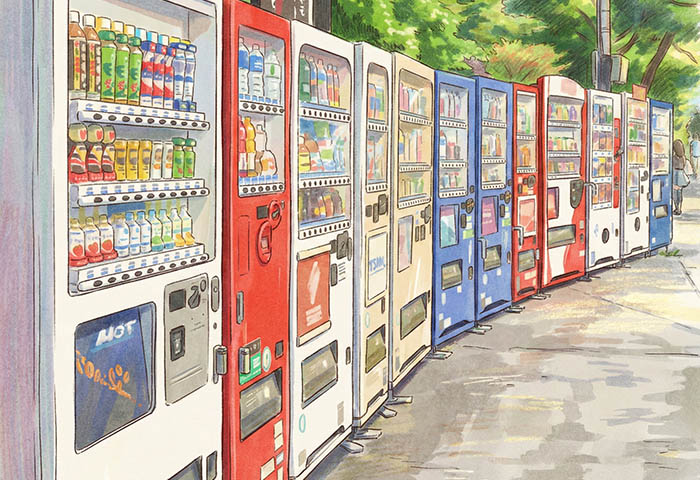
There are approximately 4 million vending machines in Japan. That’s about one machine for every 30 people! You can find almost anything in them: hot coffee in a can, cold green tea, corn soup, banana shakes, and in some regions, even “Dashi” (soup stock) or flying fish.
View More Why Japan Has 4 Million Vending Machines!Surprising Fact: There Are More Hair Salons Than Convenience Stores in Japan!
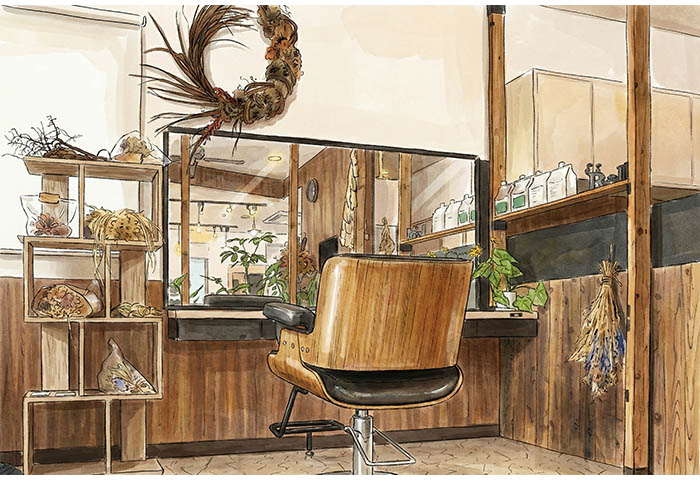
When you walk through the streets of Tokyo, you might feel like there is a convenience store (Konbini) on every single corner. With over 55,000 stores across the country, they are indeed everywhere. However, there is another type of shop that vastly outnumbers them: Hair Salons.
View More Surprising Fact: There Are More Hair Salons Than Convenience Stores in Japan!Iwau (祝う) -“Celebrate” or “Congratulate” / Japanese Word
Learn Japanese word with us!
View More Iwau (祝う) -“Celebrate” or “Congratulate” / Japanese WordJAPANESE SAMURAI / Raichō Hiratsuka
Raichō Hiratsuka (real name: Haru Hiratsuka) was born in 1886 in Tokyo into a wealthy, privileged family during Japan’s Meiji era. At that time, women were expected to conform to the societal model of ryōsai kenbo — the “good wife, wise mother. ” This philosophy shaped the entire education system for girls, emphasizing domestic skills such as sewing, child-rearing, and obedience, rather than intellectual development or professional ambitions.
View More JAPANESE SAMURAI / Raichō Hiratsuka