Share This Article



Last updated: June 30, 2026
The Missing Name: Why Japanese Middle Names Don’t Exist
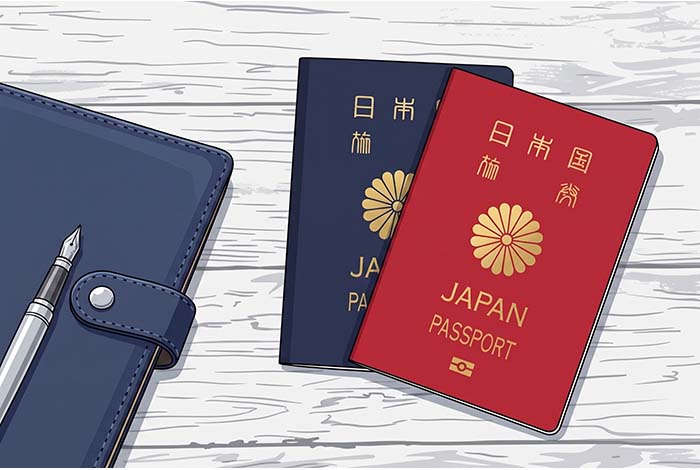
In the United States, having a middle name is entirely standard. Whether it is John Fitzgerald Kennedy or just a family name passed down to honor a grandfather, the middle name is a crucial part of personal identity. But if you look at a Japanese passport or a driver’s license, you will notice that the space between the family name and the given name is always empty. In Japan, Japanese middle names simply do not exist. Even if a Japanese person living in LA wanted to officially give their child a middle name, the Japanese government would completely reject it. Why is Japan so strict about this?
The Samurai Chaos and the Meiji Reset
Historically, Japanese names were incredibly chaotic. During the Samurai era, high-ranking men had multiple names that changed depending on their age, status, or job (such as a clan name, an adult name, and a daily nickname). It was a confusing nightmare for record-keeping. When Japan rapidly modernized during the Meiji era in the late 19th century, the government needed a clean, unified system to collect taxes and manage the population. They created the “Koseki” (Family Registry) law, which strictly dictated that every citizen is only allowed one “Myoji” (Surname) and one “Namae” (Given Name). The concept of a middle name was completely erased for the sake of bureaucratic efficiency!
👉 Want to read more about Japanese demographics and society?
Read Next: Why Does Japanese Have Three Different Levels of Politeness? (The Magic of “Keigo”)
The International Struggle
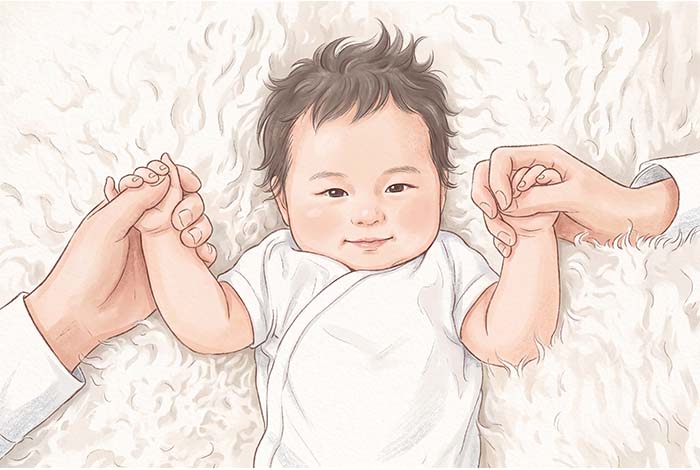
Because the Koseki law has not changed, this creates a hilarious and frustrating headache for international couples or mixed-race children today. If an American-Japanese couple living in California names their baby “Kenji Michael Smith,” the US will happily accept it. But when registering the child at the Japanese consulate, the parents are forced to literally mash the names together into a single mega-name. On official Japanese paperwork, the child’s legal first name becomes “Kenjimichael.” It is a quirky bureaucratic hurdle that perfectly highlights the rigid, systemized nature of modern Japanese society!
Japanese Middle Names FAQ
Do Japanese people have middle names?
No. Japanese people legally have only one surname (myoji) and one given name (namae). The Koseki family registry law does not allow a middle name to be recorded.
Why don’t Japanese names have a middle name?
The Meiji-era Koseki law of the late 19th century standardized every citizen to one surname and one given name for efficient tax and population records. The concept of a middle name was never built into the system.
Can a Japanese person add a middle name in another country?
Even if a child is born abroad with a middle name, Japanese authorities will not register it separately. The names are often combined into one, so “Kenji Michael” becomes the single given name “Kenjimichael” on Japanese documents.
What is a Koseki?
The Koseki is Japan’s official family registry. It records births, marriages, and deaths for each household, and it is the legal basis for how names are structured in Japan.
▼ Read Next:
.
.
Share This Article
Related Articles
Pick Up
- Japan Now! 7,000 Stranded at Narita as Record Rain S...
- Japan Now! It’s Rice Day in Japan, So Dragon Q...
- Japan Now! 156 km/h. Bases Loaded. No Outs. Koshien&...
- Japan Now! The Spear Won. Chiben Wakayama Takes Kosh...
- Japan Now! She Said Yes. Olympic Champions Riku Miur...
-

- Japan Now! The Final Four Is Set. Ariake’s Mir...
- Pokemon Worlds Takes Over San Francisco, and We Got ...
- Japan Now! Japan Answered. The Monster Falls, and th...
- Japan Now! Whole Torched Purin on a Crepe. Ise’...
- Japan Now! Doraemon Is Taking a Steam Train to Victo...
- See more Fun Facts articles >








Latest Articles
- Free Medicare Seminars, Learn the Besics and Review...
- Den’s Tea ...
- Capture Special Memories at Kimono no Kobeya ...
- Recommended for Those on a Diet! Healthy Noodles
- Savor Seasonal Specials at TAKAGI COFFEE!
-

- Daikokuya El Monte Celebrates 10th Anniversary! ...
- Check Out JINS 360°! New Store Now Open!
- Pho-Inspired Asian Spicy Ramen Returns for a Limited...
- Discover JINS’ Revolutionary Multi-Directional Movem...
- Celebrate 10 Years!! Daikokuya El Monte Launches Ann...
- See all articles >