TAKAGI COFFEE has introduced a special January menu featuring beloved Japanese “Yoshoku” (Western-style) dishes, perfect for a satisfying dinner.
View More TAKAGI COFFEE: March Special Menu

TAKAGI COFFEE has introduced a special January menu featuring beloved Japanese “Yoshoku” (Western-style) dishes, perfect for a satisfying dinner.
View More TAKAGI COFFEE: March Special Menu
The Tourist TrapRenting a beautiful Kimono or Yukata to walk around Kyoto is a dream for many tourists. Sometimes, tourists buy a cheap Yukata and try to put it on themselves in their hotel room. But beware: if you fold the fabric the wrong way, you might horrify the locals! The Curse of “Left-Over-Right”When wrapping the kimono around your body, you must ALWAYS bring the left side over the right side (so you can slip your right hand into the fold). If you do it the opposite way—bringing the right side over the left—you have just dressed yourself as a…
View More The Deadly Mistake Tourists Make When Wearing a Kimono (Left or Right?)
More Than Just CatsYou have probably heard of “Cat Cafes” where you can sip a latte while petting a fluffy kitten. Japan popularized this trend. But today, cats are just the beginning. Walking through Tokyo, you can find cafes filled with owls, micro-pigs, hedgehogs, and even giant capybaras! The Concrete Jungle CureWhy are these animal cafes so popular in Japan? It is because of the housing situation. Most people in cities live in small apartments where pets are strictly forbidden. These cafes provide stressed-out workers and students a rare chance to interact with animals and experience “Iyashi” (healing). Welcome to…
View More Why Are People Drinking Coffee with Capybaras? (The Wild Animal Cafes)
The New Year SoupIn the US, people celebrate the New Year with champagne. In Japan, the ultimate New Year’s dish is a warm, comforting bowl of soup called “Ozoni.” Eating this soup on January 1st is a nationwide tradition to pray for a healthy and safe year. The Core IngredientThe star of Ozoni is always Mochi (rice cake), which stretches beautifully when you bite into it. However, if you ask two Japanese people what Ozoni looks and tastes like, they might give you completely different answers! Tokyo vs. Osaka (The Great Divide)There is a massive cultural divide between the Kanto…
View More What Does the Japanese New Year Taste Like? (The “Ozoni” Divide)
Not Just Cake and CreamWhen you think of sweets, you usually picture cakes, chocolate, or ice cream. Traditional Japanese sweets, called “Wagashi,” are entirely different. They use no butter or cream. The most premium and beautiful type of Wagashi is called “Nerikiri.” Sculpting with Bean PasteNerikiri is made by kneading soft, sweetened white bean paste (Shiro-an) with soft Mochi dough. Because it is like edible clay, master artisans can sculpt it into breathtakingly detailed shapes using tiny wooden tools and their bare hands. Eating the SeasonsThe designs strictly reflect the 4 seasons. In spring, Nerikiri is shaped like delicate pink…
View More Is It Art or Dessert? (The Edible Beauty of “Nerikiri”)
KIKKOMAN
Fragrant White Dashi & Rich Dashi Hon Tsuyu

The Plot TwistWhile Japan currently enjoys the peace of not changing its clocks, there is a surprising historical plot twist: Japan actually did have Daylight Saving Time… but it only lasted for exactly four years! The GHQ EraAfter World War II, Japan was occupied by the Allied Forces (GHQ), led by the US. In 1948, the GHQ introduced the “Summer Time Act” to Japan, hoping to save energy and align the country with Western daylight standards. The Workaholic TrapIIn the US, an extra hour of daylight means going home early to enjoy a BBQ or play baseball. But in Japan,…
View More Did You Know Japan Tried Daylight Saving Time? (The 4-Year Experiment)
The Spring Forward StruggleIn the US, March means one thing: “Spring Forward.” Everyone loses an hour of sleep, clocks in cars show the wrong time for six months, and people feel jet-lagged for a week. It is a stressful tradition. But if you live in Japan, you are completely free from this! The Bliss of ConsistencyJapan does not observe Daylight Saving Time (DST) or “Summer Time.” The time in Tokyo in January is exactly the same as the time in Tokyo in July. For travelers and international businesses, this consistency is incredibly convenient. No Missed TrainsImagine if Japan had DST.…
View More Why Doesn’t Japan Change Its Clocks? (The “No Daylight Saving Time” Rule)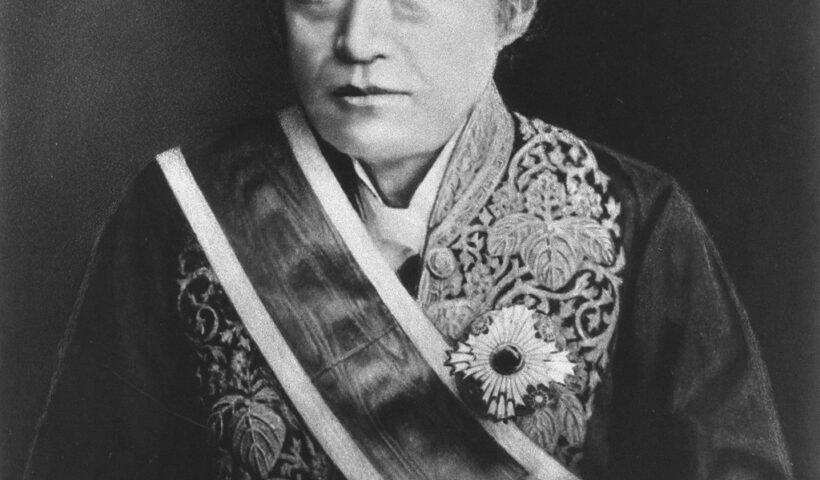
1825–1883 岩倉具視 Iwakura Tomomi The Diplomat Who Helped Build Modern Japan . The quiet architect of the Meiji Restoration In Japanese history textbooks, there is a famous photograph: dignified Japanese officials in Western suits standing before a grand European building. Taken during the Iwakura Mission of 1871–1873, this image symbolizes a turning point—Japan’s determination to learn from the world and transform itself. At the heart of this historic delegation was Iwakura Tomomi, a man of quiet strength who played a decisive but often understated role in guiding feudal Japan toward becoming a modern nation. Born in Kyoto in 1825 into…
View More JAPANESE SAMURAI /Iwakura Tomomi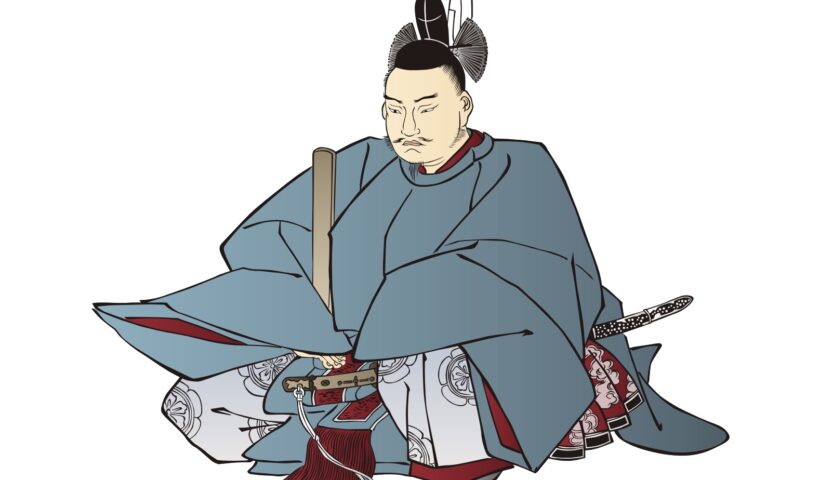
845–903 菅原道真 Sugawara no Michizane The Scholar, Poet, and God Who Inspired Generations . A Child Prodigy in the Heian Court From an early age, Sugawara no Michizane showed an extraordinary gift for learning. His teachers quickly recognized his ability as he mastered the Chinese classics, Confucian philosophy, and calligraphy with remarkable ease. Unlike many aristocrats who treated scholarship as cultural ornament, Michizane embraced study as the essence of life. His early poems already revealed a depth of thought that hinted at his enduring influence. His upbringing was rigorous. He spent long hours memorizing texts, but also debating their meaning…
View More JAPANESE SAMURAI /Sugawara no Michizane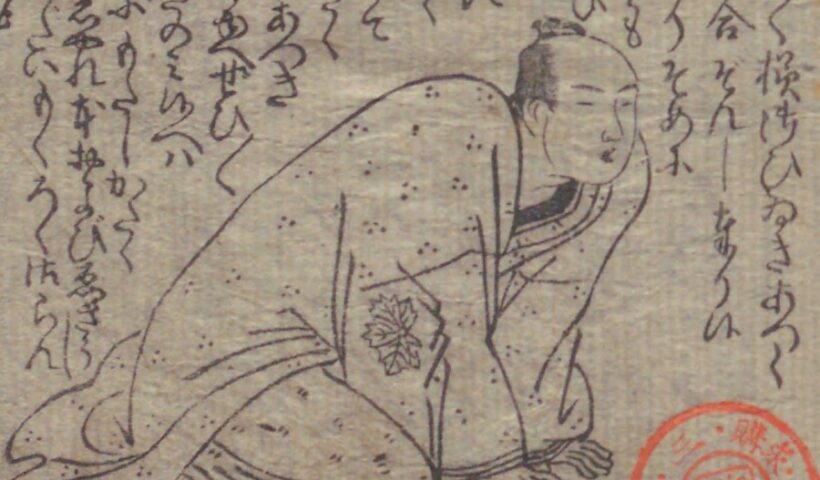
1750–1797 蔦屋重三郎 Tsutaya Jūzaburō The Edo Publisher Who Shaped the Golden Age of Ukiyo-e . A Talent Blossomed in Yoshiwara Tsutaya Jūzaburō was one of the most influential publishers of the mid-Edo period, a man whose vision helped define what is now remembered as the “golden age” of ukiyo-e woodblock prints. He was born in 1750 in the bustling Yoshiwara district of Edo (modern-day Tokyo). His birth name was Kitagawa Karimaru, and he lost his mother at a young age. He was later adopted by Kitagawa Tokubei, who ran the “Tsutaya” teahouse. Yoshiwara was unlike any other neighborhood in Edo.…
View More JAPANESE SAMURAI /Tsutaya Jūzaburō
1571–1622 支倉常長 Tsunenaga Hasekura The Samurai Envoy Who Crossed Two Oceans and Became a Roman Nobleman . Early Life and a Turbulent Family Background Tsunenaga Hasekura was born in 1571 in the Okitama District of Ushū, modern-day Yamagata Prefecture in northern Japan. He came from the prestigious Kanmu Heishi lineage, tracing his ancestry back to Emperor Kanmu. His father, Tsunenari Yamaguchi, was a respected samurai retainer of the Sendai domain, serving under the powerful feudal lord Date Masamune. With a stipend of 600 koku, Tsunenari was able to support a substantial household and commanded troops as both a gunner and…
View More JAPANESE SAMURAI /Tsunenaga Hasekura