Share This Article



Last updated: March 20, 2026

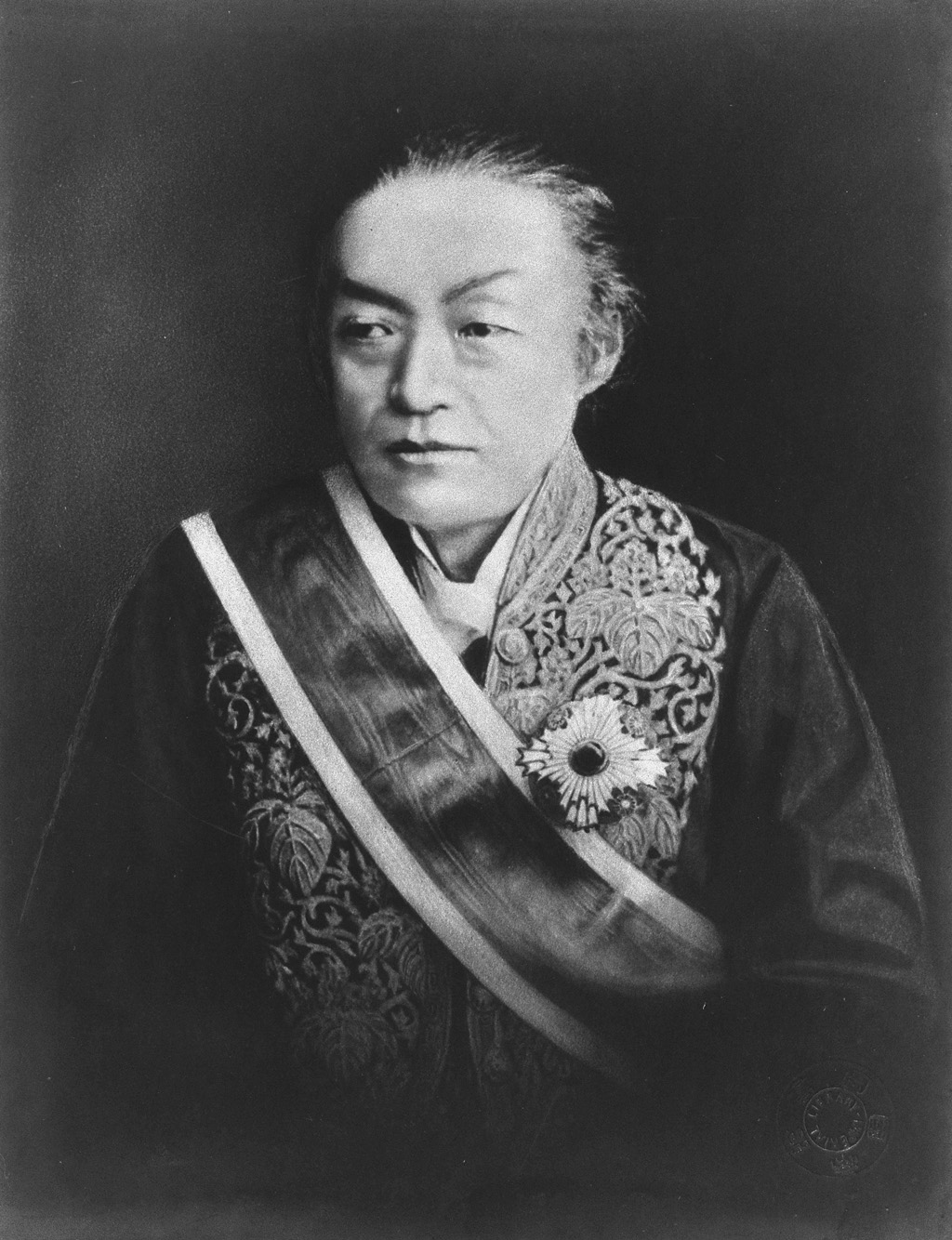
1825–1883
岩倉具視
Iwakura Tomomi
The Diplomat Who Helped Build Modern Japan
.
The quiet architect of the Meiji Restoration
In Japanese history textbooks, there is a famous photograph: dignified Japanese officials in Western suits standing before a grand European building. Taken during the Iwakura Mission of 1871–1873, this image symbolizes a turning point—Japan’s determination to learn from the world and transform itself. At the heart of this historic delegation was Iwakura Tomomi, a man of quiet strength who played a decisive but often understated role in guiding feudal Japan toward becoming a modern nation. Born in Kyoto in 1825 into an aristocratic family closely tied to the imperial court, Iwakura grew up in an environment shaped by centuries of tradition but increasingly pressured by the outside world. By the mid‑19th century, Japan faced unprecedented challenges. Western nations, armed with superior technology and military power, forced Japan to open its ports and sign humiliating unequal treaties.
Many samurai advocated armed resistance. Yet Iwakura believed Japan’s survival required wisdom rather than war. He recognized that learning from the West, rather than rejecting it, would be the key to preserving national independence. Working discreetly behind the scenes, he helped restore political power to the Emperor, arguing that only a unified government could resist foreign domination. This vision helped ignite the Meiji Restoration of 1868, ending centuries of samurai rule and setting Japan on the path of modernization.
Leading Japan’s most ambitious diplomatic mission
A few years later, Iwakura led the most ambitious diplomatic delegation in Japanese history. The Iwakura Mission included over 100 officials, scholars, students, and interpreters. Their dual objectives were bold: to renegotiate the unequal treaties and to study Western institutions, technologies, and social systems firsthand. In the United States, the delegation was astonished by the scale and accessibility of public education. In Japan at the time, schooling was limited mainly to the elite. In America, however, children of all classes attended school, and education was seen as essential for national progress. Iwakura took detailed notes on school organization, teacher training, and curriculum development. The mission also visited factories, railroads, courts, and newspaper offices. They were impressed not only by technological advances but also by the practical, fast-paced rhythm of American life. Delegates were struck by coffeehouse culture and the widespread habit of reading newspapers in public—scenes unimaginable in Japan then. American democracy left an especially strong impression. The delegation met President Ulysses S. Grant, toured the White House and Congress, and observed a representative government in action for the first time. For the Japanese, the idea that ordinary citizens could influence policy was revolutionary. Iwakura realized Japan could not simply copy the American system, but he recognized the need for a government capable of adapting quickly to change.
Lessons from Europe
After America, the mission continued to Europe, visiting Britain, France, Prussia (modern-day Germany), and other nations. In Britain, they observed the massive steel mills, shipyards, and industrial machinery that powered the world’s foremost empire. In Prussia, they studied its efficient military organization and disciplined bureaucracy, which inspired reforms in Japan’s future army and administration. In France, they explored museums, art education, and the cultural richness that shaped national identity. London’s modern sewage and sanitation systems deeply impressed the delegation, highlighting the connection between public health and urban development. In Paris, they learned how art and aesthetics were integrated into education. In Berlin, they studied a legal system combining efficiency with accountability. These lessons would later influence Japan’s legal, administrative, and social reforms. Importantly, the mission was more than data collection. It was about absorbing the values that made these nations strong—discipline, science, civic responsibility, and public service. Although treaty revision failed, the journey provided a blueprint for Japan’s survival and success in a Western-dominated world.
Cultural encounters and symbolic moments
The iconic photograph of the mission shows a nation in transition. Many of the young delegates were teenagers or in their early twenties. Upon returning, they became prime ministers, generals, educators, and industrial leaders who planted the seeds of Japan’s modernization. Iwakura was their mentor, guiding this new generation with patience and foresight. There were lighter, more human moments on the journey. In America, the delegation tasted chocolate for the first time. In Japan, sweets were rare, and sugar a luxury, so Iwakura described chocolate as “an exquisite confection,” a small but memorable example of cultural exchange. He was also curious about Western habits. Iwakura enjoyed beer—a novel drink in early Meiji Japan—showing his willingness to embrace even small aspects of foreign culture. Such moments reflected his openness and curiosity, traits that defined his approach to modernization.
A statesman of warmth and humility
Upon returning to Japan, Iwakura became a central figure in the Meiji government. He promoted compulsory education, encouraged the adoption of Western technology, and oversaw the development of modern infrastructure such as railways, postal services, and telegraph lines. Yet he never abandoned tradition. A lover of Kyoto’s delicate wagashi sweets, he embodied the balance between heritage and progress. His leadership style was marked by warmth and humility. Colleagues described him as approachable, a skilled mediator who resolved political disputes through dialogue rather than confrontation. His diplomacy ensured reforms moved forward steadily without unnecessary turmoil. Iwakura’s contributions were so highly regarded that his portrait appeared on the 500-yen banknote from 1951 to 1994, a lasting tribute to his legacy.
A lasting legacy
Iwakura Tomomi’s greatest legacy was the belief that “the power to keep learning is the power to endure.” Thanks to his vision, Japan avoided the colonial fate of many Asian countries. Through diplomacy, education, and pragmatic reform, Japan modernized on its own terms and remained independent. Today, his influence still resonates. Japan’s world-class education system, its balance between tradition and innovation, and its adaptive approach to modernization all reflect his ideals. The Iwakura Mission is more than a historical episode; it remains a symbol of courage, curiosity, and the willingness to embrace change. In Kyoto, visitors can explore Iwakura’s former residence, where traditional Japanese architecture stands alongside the spirit of modernization. His name endures in streets, schools, and stations—but his true monument lies in the resilient, adaptive spirit of the Japanese people. Looking again at that black-and-white photograph, we are reminded that transformation does not always come from loud revolutions. Sometimes it begins with quiet observation, deep dialogue, and the building of bridges. Iwakura Tomomi was not a warrior, yet he had the vision and diplomacy to propel Japan onto the world stage.
Share This Article
Related Articles
Pick Up
- JAPANESE SAMURAI /Tsunenaga Hasekura
- JAPANESE SAMURAI / John Manjirō
- JAPANESE SAMURAI / Sakanoue no Tamuramaro
- JAPANESE SAMURAI / Raichō Hiratsuka
- JAPANESE SAMURAI /Tsutaya Jūzaburō
-

- JAPANESE SAMURAI / Shigenobu Okuma
- JAPANESE SAMURAI / Tokugawa Yoshinobu
- Japan Now! Why Elon Musk Is Being Reimagined as an A...
- JAPANESE SAMURAI /Sugawara no Michizane
- JAPANESE SAMURAI /Ashikaga Takauji
- See more History articles >





Latest Articles
- Looking for a Car? Visit South Bay Toyoya! Reliable...
- WA Dining Suya Enjoy the Flavors of Fall with Limit...
- Free Medicare Seminars, Learn the Besics and Review...
- Den’s Tea ...
- Capture Special Memories at Kimono no Kobeya ...
-

- Recommended for Those on a Diet! Healthy Noodles
- Savor Seasonal Specials at TAKAGI COFFEE!
- Daikokuya El Monte Celebrates 10th Anniversary! ...
- Check Out JINS 360°! New Store Now Open!
- Pho-Inspired Asian Spicy Ramen Returns for a Limited...
- See all articles >