Share This Article



Last updated: August 15, 2025

1837 – 1913
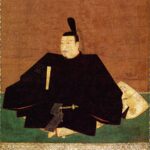
徳川慶喜
Tokugawa Yoshinobu
The Last Shogun: The Final Ruler of Japan’s Samurai Era
Little Yoshinobu was Raised with High Expectations and Strict Discipline
Tokugawa Yoshinobu was born in Edo (present-day Tokyo) in 1837. He was the seventh son of Tokugawa Nariaki, the ruler of Mito (present-day Ibaraki Prefecture) at the time, and was exceptionally talented among his siblings. Recognizing his intelligence, Nariaki raised him strictly from an early age as a future candidate for shogun.
A shogun is a term that might be familiar to those who have watched the hit drama series SHŌGUN, available on Disney+. It refers to the ruler of Japan at the time—someone who held both political power and military authority, leading the nation.
Yoshinobu lived under strict discipline, not only in academics and martial arts but even in his daily meals. He had a stubborn personality and often resisted his father’s harsh discipline, which led to punishments such as having his meals taken away or being scolded.
Yoshinobu’s Hobbies
Yoshinobu had a wide range of interests, spanning both martial and artistic disciplines. During his childhood in Mito, he was trained in essential samurai skills—such as martial arts, horseback riding, and archery—under dedicated masters. Among these, he particularly excelled at archery.
In addition to his martial training, Yoshinobu developed a fascination with Western arts like oil painting and photography, which were introduced to Japan during the Meiji era. He left behind numerous works showcasing his interest and talent.
He was also a skilled shuriken (throwing star) practitioner, practicing daily without fail.
Shoin received a strict education from his relatives and became an apprentice teacher at a local school at the age of 9. By the age of 11, he was giving lectures to the leader of his town, Choshu-han, and his talent was recognized by those around him.
Adoption into the Hitotsubashi Family
At the age of 11, Yoshinobu’s exceptional abilities caught the attention of the shogun, Tokugawa Ieyoshi. He was adopted into the prestigious Hitotsubashi family, a branch of the Tokugawa clan traditionally responsible for producing shoguns. This adoption marked him as a strong candidate for future shogunate leadership.
Foreign Ships Arrive in Japan
When Yoshinobu was 16, in 1853, Commodore Matthew Perry arrived in Yokosuka, demanding that Japan open its ports to foreign trade. The shogunate, alarmed by this unprecedented threat, panicked and sought guidance from both the emperor and the shogun’s retainers. This marked a turning point, leading to increased imperial intervention in shogunate affairs and gradually weakening the shogunate’s absolute authority.
Around the same time, Shogun Tokugawa Ieyoshi passed away, and his son Tokugawa Iesada succeeded him. However, Iesada was in poor health and unlikely to produce an heir, prompting the search for another highly capable samurai to become the next shogun. As you can probably guess, Yoshinobu was one of the top candidates.
Yoshinobu Wasn’t Chosen As Shogun
The two main candidates to succeed as shogun were Yoshinobu and Tokugawa Yoshitomi (later known as Iemochi), who had a closer bloodline to Iesada. A heated debate broke out within the shogunate over who should be chosen.
At the time, Ii Naosuke—then the most powerful figure in the shogunate—supported the young and more easily controlled Yoshitomi. As a result, Yoshitomi was chosen to become the next shogun.
Caught Between Two Major Ideologies
After Ii Naosuke—effectively the most powerful man in the shogunate at the time—signed an unfavorable treaty with Townsend Harris (who arrived after Matthew Perry), controversy erupted. The treaty was concluded without the emperor’s approval, despite the long-standing rule that even the shogun had to obtain imperial consent before making such decisions.
This move angered many, especially those who believed Japan should expel foreigners altogether. Yoshinobu, seen as a potential future shogun, also supported the idea of resisting foreign influence. However, Ii Naosuke’s power was overwhelming, and he refused to change course. He began suppressing his opponents one by one, fueling growing resentment toward the shogunate.
In 1860, Ii Naosuke was assassinated. The shogunate, thrown into chaos by the sudden loss of its leading figure, appointed Yoshinobu as a key political advisor, hoping he could stabilize the government.
The Emperor of Japan at the time ordered Yoshinobu to expel foreign powers, and he accepted the command. However, many within the shogunate believed that Japan needed to modernize and open its doors to the outside world. Fierce conflicts broke out between the pro-opening and anti-foreigner factions, eventually escalating into armed clashes.
Amid this turmoil, Shogun Tokugawa Iemochi passed away, and Yoshinobu succeeded him as the next shogun.
A Great Shogun Hailed as the Reincarnation of Tokugawa Ieyasu
After becoming shogun, Yoshinobu received policy advice from Léon Roches, the French minister stationed in Japan, and implemented reforms that were remarkably progressive for the shogunate at the time. His initiatives included appointing talented individuals, reorganizing the military, establishing ironworks, and promoting overseas study programs—all aimed at strengthening Japan.
He was held in such high regard that many compared him to Tokugawa Ieyasu, the first shogun. Aware of Japan’s relative backwardness, Yoshinobu pursued political reforms to modernize the nation.
Yoshinobu Ended the 200-Year Reign of the Edo Shogunate
In 1867, the passing of Emperor Kōmei, who had been strongly anti-foreign, marked a major turning point and triggered further upheaval. A coalition of factions seeking to overthrow the shogunate and seize power by force began to take action.
Yoshinobu believed that if a civil war broke out, foreign nations would exploit the instability. In response, Sakamoto Ryōma—who also feared internal conflict—proposed a plan to Yoshinobu: Taisei Hōkan (the Return of Government to the Emperor). This proposal aimed to avoid civil war by voluntarily returning the shogunate’s authority to the emperor.
Seeing this as aligning with his own views, Yoshinobu agreed, officially ending the 200-year-long Edo Shogunate.
A Large Civil War
Although the shogunate was officially dissolved through Taisei Hōkan, it still retained substantial power. Tensions between the shogunate and the new government escalated into the Boshin War, a large-scale civil conflict.
Amid the heat of battle, Tokugawa Yoshinobu realized that continuing the fight would not alter the outcome. In order to protect the people of Edo, his subordinates, and their families, he made the decision to surrender Edo Castle.
Afterward, Yoshinobu retired to prevent further senseless conflict. His decision is still highly regarded today, as it is said that he ended an era of centuries-long civil strife “without shedding any blood.”
The Rest of His Life
After stepping away from power, Yoshinobu lived a quiet life in Sunpu (present-day Shizuoka Prefecture). He briefly served as a politician in the new Meiji government but spent most of his later years indulging in various hobbies, such as photography, cycling, and handicrafts—activities that had been introduced from abroad as new forms of entertainment. He lived a long life for his time, passing away at the age of 77.
Yoshinobu was a remarkable figure who survived a turbulent era and played a key role in Japan’s transition to a new age. Despite his power and the significant legacy he left behind, the fact that he was admired both then and now for his good character is a testament to his greatness.
.
.
.
Share This Article
Related Articles
Pick Up
- JAPANESE SAMURAI / Raichō Hiratsuka
- JAPANESE SAMURAI /Tsutaya Jūzaburō
- JAPANESE SAMURAI / Shigenobu Okuma
- JAPANESE SAMURAI /Tsunenaga Hasekura
- JAPANESE SAMURAI /Iwakura Tomomi
-

- JAPANESE SAMURAI /Sugawara no Michizane
- JAPANESE SAMURAI / John Manjirō
- JAPANESE SAMURAI / Sakanoue no Tamuramaro
- JAPANESE SAMURAI /Ashikaga Takauji
- Japan Now! Why Elon Musk Is Being Reimagined as an A...
- See more History articles >





Latest Articles
- Free Medicare Seminars, Learn the Besics and Review...
- Den’s Tea ...
- Capture Special Memories at Kimono no Kobeya ...
- Recommended for Those on a Diet! Healthy Noodles
- Savor Seasonal Specials at TAKAGI COFFEE!
-

- Daikokuya El Monte Celebrates 10th Anniversary! ...
- Check Out JINS 360°! New Store Now Open!
- Pho-Inspired Asian Spicy Ramen Returns for a Limited...
- Discover JINS’ Revolutionary Multi-Directional Movem...
- Celebrate 10 Years!! Daikokuya El Monte Launches Ann...
- See all articles >