Share This Article



Last updated: March 20, 2026
1827~1898
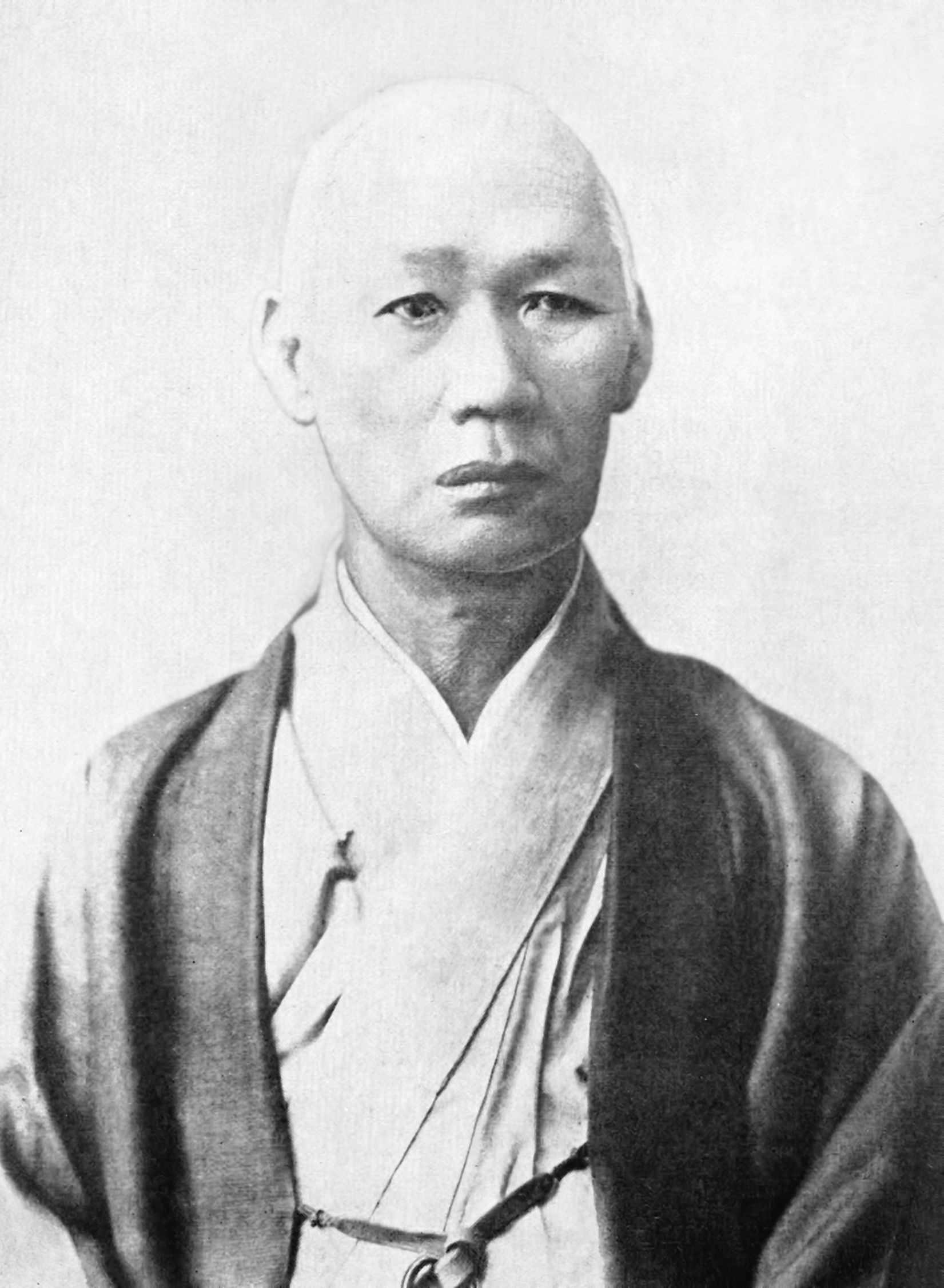
ジョン万次郎
John Manjirō
The Castaway Who Bridged Japan and America
Early Life in Tosa
John Manjirō, born as Nakahama Manjirō in 1827, was the second son of a poor fisherman in Tosa Province, present-day Kōchi Prefecture. His childhood was marked by hardship. At the age of nine, he lost his father, leaving his family in poverty. His mother and elder brother were in poor health and unable to work regularly, so young Manjirō began to support his family by fishing. Though still a boy, he quickly gained a reputation for courage and resourcefulness at sea.
Shipwreck and Life on a Deserted Island
In 1841, when Manjirō was fourteen, he set out on a fishing voyage with four companions. Their small boat was caught in a violent storm, and after days adrift, they found themselves stranded on a deserted island called Torishima. The five castaways were forced to survive with almost nothing. For 143 days, they lived off rainwater, seaweed, birds’ eggs, and seabirds that they caught with great effort. It was a true test of endurance and ingenuity.
Salvation finally arrived when an American whaling ship, the John Howland, anchored near the island. Its captain, William H. Whitfield, rescued the starving youths and brought them to Hawaii. Japan was under strict isolationist policies at the time, and foreign ships were forbidden from landing, so returning home was impossible.
While his companions chose to remain in Hawaii, Manjirō made a life-altering decision. He pleaded to continue with the ship to America. Impressed by his courage, Captain Whitfield agreed and gave him the name “John Mung,” derived from the ship’s name. Thus, Manjirō became the first Japanese to set foot on the American mainland.
Education and Life in America
Once in Fairhaven, Massachusetts, Captain Whitfield went so far as to adopt the young castaway. He sent Manjirō to school, where the boy excelled despite the language barrier. He discovered a passion for learning and soon rose to the top of his class. He mastered English, mathematics, navigation, surveying, and shipbuilding. His teachers and classmates admired his diligence and good character.
Beyond academics, Manjirō absorbed American culture with great curiosity. He attended church services, studied Christian values, and learned about democracy—concepts entirely foreign to Japan at the time. He wore Western clothes, tied a necktie, and sang the ABC song, becoming the first Japanese to experience such customs. He also worked aboard whaling ships, sailing to distant seas, and through hard-earned experience became a skilled navigator and sailor.
Yet his life was not without sorrow. The woman he loved in America died while he was away at sea, a loss that deeply shook him. This tragedy, combined with his longing for his homeland, made him resolve to return to Japan one day and share the knowledge he had gained.
Gold Rush and Fortune
There was, however, a practical problem: returning to Japan required money for a ship, supplies, and crew. At the time, California was gripped by the Gold Rush. Seizing the opportunity, Manjirō traveled west and joined the throngs of gold seekers. Through grit, luck, and determination, he struck it rich. Unlike many who failed, he managed to amass enough wealth to fund his journey. The Gold Rush not only provided him financial means but also broadened his view of human ambition and hardship in a rapidly changing America.
Return to Japan
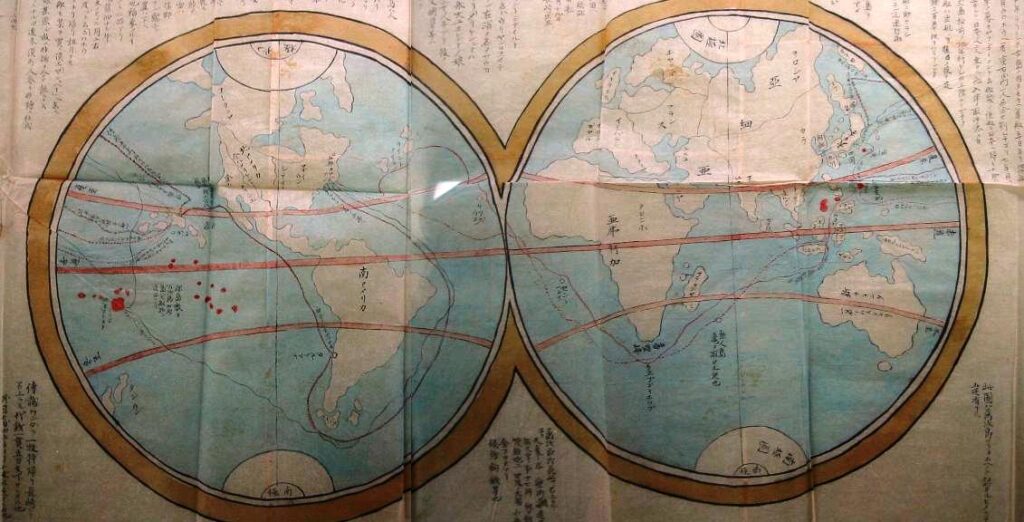
In 1851, at the age of twenty-four, Manjirō finally set sail for Japan. He landed in the Ryukyu Islands, where he was brought before the powerful daimyo Shimazu Nariakira of Satsuma. This meeting proved fortuitous, for Nariakira was a progressive leader who believed that Japan must embrace Western learning and prepare to open to the world.
For forty-seven days, Manjirō generously shared his knowledge of navigation, shipbuilding, and foreign customs. He was then sent to Nagasaki, where officials tested his faith with the traditional fumi-e, a ritual designed to identify hidden Christians. He passed, proving that he was not a convert.
Still, Japan’s strict isolation laws dictated harsh punishments for those who had traveled abroad. Manjirō was imprisoned for nine months. During this time, he was questioned repeatedly about foreign customs, ships, and technology. Instead of despairing, he used the time to organize his memories and prepare to teach others. Eventually, he was released and permitted to return to his home in Tosa. In recognition of his unique skills, he was elevated from fisherman to samurai status—a remarkable rise in social standing.
Service to Japan
When Commodore Perry’s black ships arrived in 1853, demanding that Japan open its ports, the shogunate turned to Manjirō. Fluent in English and familiar with Western ways, he became a vital interpreter and advisor. He translated, taught, and guided officials, using his knowledge to ease Japan’s transition into the modern world.
Unlike others, he harbored no ambition for power or wealth. Instead, he saw his mission as sharing knowledge. He taught navigation, English, and mathematics to young samurai, many of whom would later play leading roles in the Meiji Restoration. His humility and dedication earned him respect across domains, and he became known as a bridge between Japan and the West.
In 1870, he was sent to Europe to observe the Franco-Prussian War, broadening his understanding of global politics and technology. During this journey, he was reunited with Captain Whitfield, the man who had once saved his life. Their emotional meeting symbolized the deep bond between two men from opposite sides of the world and highlighted the extraordinary trajectory of Manjirō’s life.
Legacy
John Manjirō died in 1898, leaving behind a legacy of remarkable firsts. He was the first Japanese to set foot in America, the first to wear a necktie, the first to sing the ABC song, and among the first to ride a train and a steamship. His life bridged cultures, helping Japan move from isolation to international engagement. Today, he is remembered not only as a survivor and adventurer but as a teacher and patriot who gave his knowledge selflessly. Statues and memorials in both Japan and the United States honor his name. His extraordinary journey—from a poor fisherman’s son to a global citizen—illustrates the power of resilience, education, and cross-cultural friendship.
.
.
.
Share This Article
Related Articles
Pick Up
- JAPANESE SAMURAI /Sugawara no Michizane
- JAPANESE SAMURAI / Raichō Hiratsuka
- JAPANESE SAMURAI / Shigenobu Okuma
- Japan Now! Why Elon Musk Is Being Reimagined as an A...
- JAPANESE SAMURAI /Tsunenaga Hasekura
-

- JAPANESE SAMURAI /Ashikaga Takauji
- JAPANESE SAMURAI /Tsutaya Jūzaburō
- JAPANESE SAMURAI / Sakanoue no Tamuramaro
- JAPANESE SAMURAI / Tokugawa Yoshinobu
- JAPANESE SAMURAI /Iwakura Tomomi
- See more History articles >




Latest Articles
- Fall Grand Karaoke Festival in Torrance Enjoy Nosta...
- Looking for a Car? Visit South Bay Toyoya! Reliable...
- WA Dining Suya Enjoy the Flavors of Fall with Limit...
- Free Medicare Seminars, Learn the Besics and Review...
- Den’s Tea ...
-

- Capture Special Memories at Kimono no Kobeya ...
- Recommended for Those on a Diet! Healthy Noodles
- Savor Seasonal Specials at TAKAGI COFFEE!
- Daikokuya El Monte Celebrates 10th Anniversary! ...
- Check Out JINS 360°! New Store Now Open!
- See all articles >