
Share This Article



The Building Blocks of Kanji
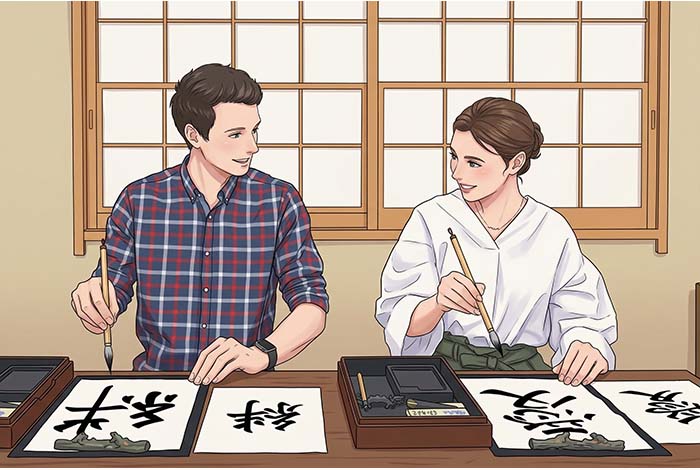
Learning Japanese Kanji is like solving a puzzle. Complex characters are built by combining smaller, basic symbols called “radicals.” For example, if you combine the radical for “Sun” (日) and “Moon” (月), you get the character for “Bright” (明).
A Massive Gender Imbalance
But there is a shocking linguistic statistic hidden in the dictionary. If you search for characters containing the radical for “Woman” (女 – Onna), you will find over 4,000 of them! However, if you search for characters containing the radical for “Man” (男 – Otoko), there are only about 100.
👉 Want to read more about Japanese demographics and society?
Read Next:https://japanupmagazine.com/archives/18679
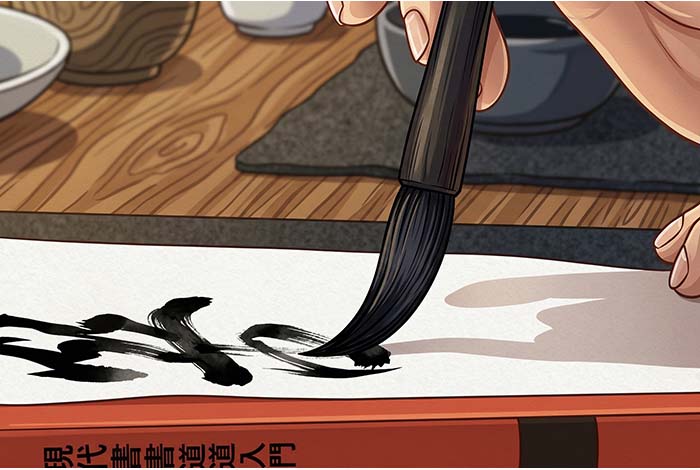
The Ancient Roots
Why is there such a massive gender gap? Because Kanji was invented in ancient China thousands of years ago. The language acted as a mirror for ancient society. Women were heavily associated with domestic life, family, and marriage, leading to characters like “Wife” (妻) or “Younger Sister” (妹).
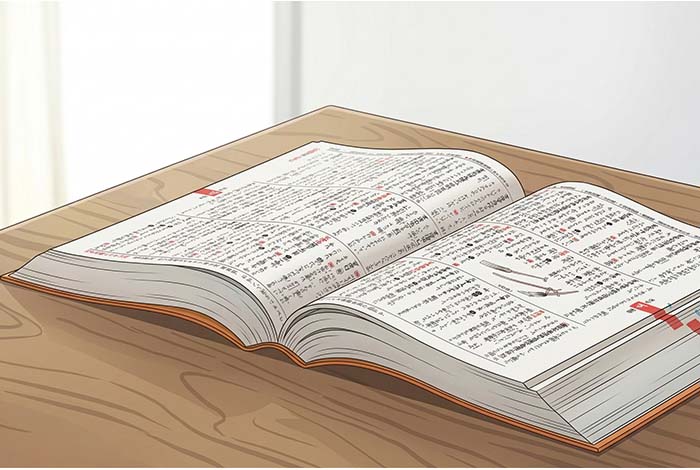
The Darker Side of History
However, it also reflects the sexism of the era. Many characters representing negative traits or complex emotions—such as “Jealousy” (嫉) or “Interfere” (妨)—were created using the “Woman” radical. Meanwhile, the character for “Man” (男) was simply created by combining “Rice Field” (田) and “Power” (力).
A Linguistic Museum
Today, these characters don’t reflect modern Japanese or Chinese values, but they serve as a fascinating linguistic time capsule. Studying Kanji isn’t just about memorizing strokes; it is about uncovering the complex history, culture, and societal structures of the ancient world.
▼ Read Next:
.
.
Share This Article
Related Articles
Pick Up
- Japan Now! She Said Yes. Olympic Champions Riku Miur...
- Japan Now! 156 km/h. Bases Loaded. No Outs. Koshien&...
- Japan Now! Whole Torched Purin on a Crepe. Ise’...
- Japan Now! It’s Rice Day in Japan, So Dragon Q...
- Japan Now! The Spear Won. Chiben Wakayama Takes Kosh...
-

- Japan Now! 7,000 Stranded at Narita as Record Rain S...
- Japan Now! Japan Answered. The Monster Falls, and th...
- Pokemon Worlds Takes Over San Francisco, and We Got ...
- Japan Now! Doraemon Is Taking a Steam Train to Victo...
- Japan Now! The Final Four Is Set. Ariake’s Mir...
- See more Fun Facts articles >








Latest Articles
- Free Medicare Seminars, Learn the Besics and Review...
- Den’s Tea ...
- Capture Special Memories at Kimono no Kobeya ...
- Recommended for Those on a Diet! Healthy Noodles
- Savor Seasonal Specials at TAKAGI COFFEE!
-

- Daikokuya El Monte Celebrates 10th Anniversary! ...
- Check Out JINS 360°! New Store Now Open!
- Pho-Inspired Asian Spicy Ramen Returns for a Limited...
- Discover JINS’ Revolutionary Multi-Directional Movem...
- Celebrate 10 Years!! Daikokuya El Monte Launches Ann...
- See all articles >